
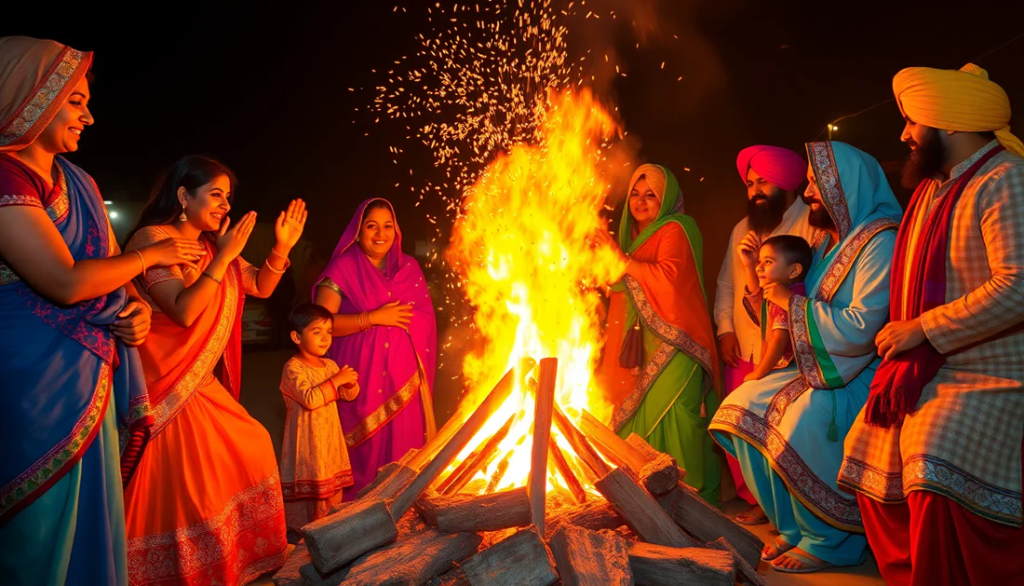
Lohri is more than a winter festival. It is a warm, joyful pause that brings families together under cold January skies. Celebrated mainly in Punjab, Haryana and parts of northern India, Lohri marks the end of winter and the start of longer, sunnier days. At its core, this festive of harvest is about saying thank you. Know all about the Lohri traditions and the significance behind the celebration.
Lohri And Its Significance In India – Explained!
Why is it Celebrated?
Lohri is celebrated on the eve of Makar Sankranti, usually on 13 January. This time of year marks a seasonal shift. Winter begins to loosen its grip, and days slowly grow longer. For farmers, this period is especially important. It signals the harvest of rabi crops, particularly sugarcane and wheat.
The festival is also linked to folk stories and local heroes. One popular legend speaks of Dulla Bhatti, a brave man who helped protect girls and stood up for justice. Singing songs in his name keeps these stories alive and reminds children that courage and kindness should never be forgotten. So, Lohri is not just about the calendar. It celebrates nature’s cycles, honours farmers’ hard work, and keeps history alive through stories and songs.
Why is the Bonfire so Important?
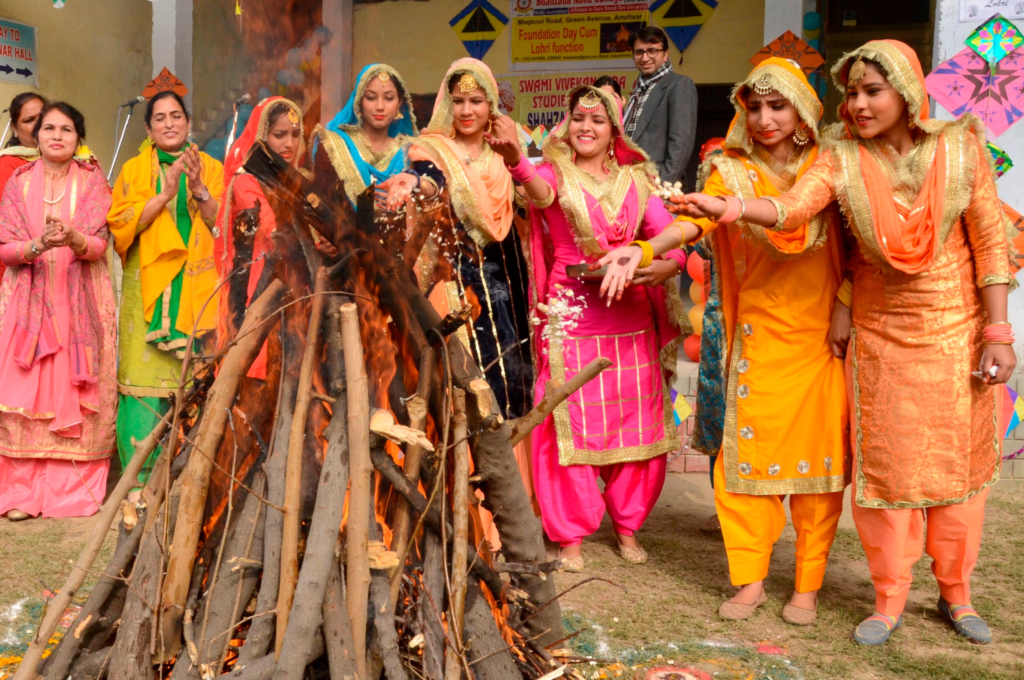
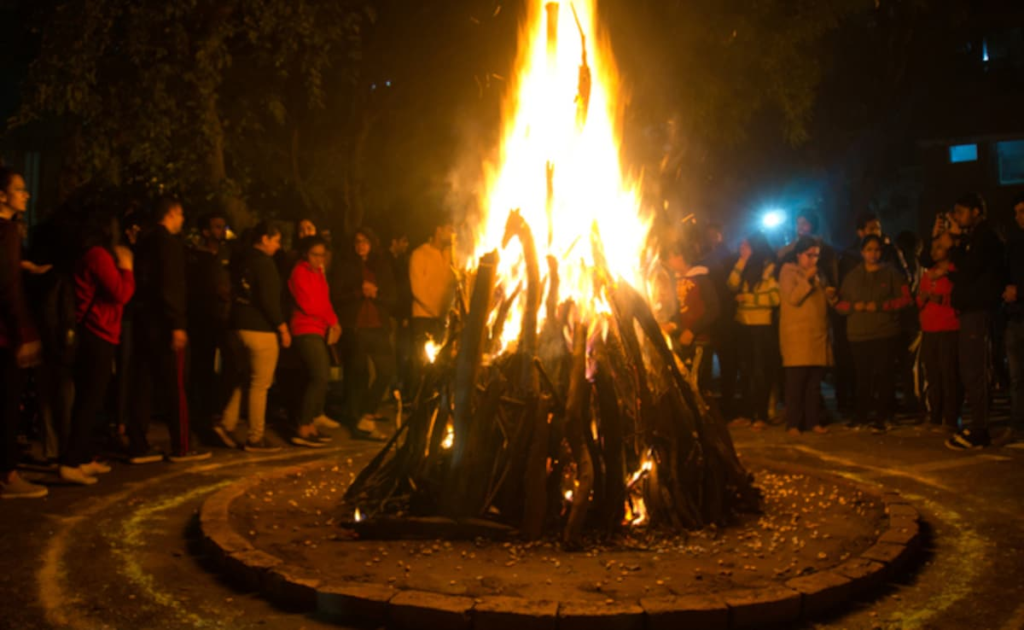
The bonfire is the heart of Lohri. As the sun sets, families and neighbours gather around a glowing fire. They walk in circles, sing traditional songs, and offer grains, peanuts, popcorn, and sweets into the flames.
Fire symbolises warmth, protection, and new beginnings. In old farming communities, it was believed that fire carried prayers to the sun, asking for good crops and healthy families. The act of offering food to the fire teaches children an important idea. Before we enjoy what we have, we first give thanks. The bonfire also brings people closer. Everyone stands together, young and old, rich and poor. In that shared circle, differences fade, and togetherness shines brighter than the flames.
Also read – Vaisakhi, Baisakhi And Vishu Festivals: Cultural Insights and Celebrations Around India
Why Til and Jaggery Are Eaten During Lohri?
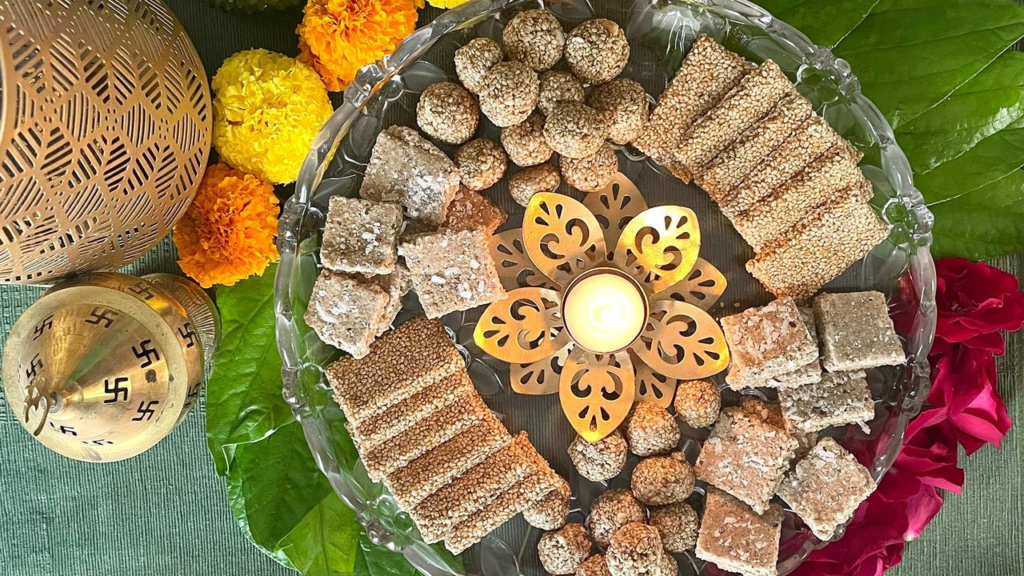
Til (sesame seeds) and jaggery are must-have Lohri treats, and there is a good reason for that. Winter foods are meant to keep the body warm, and both ingredients do exactly that. Til provides energy, while jaggery helps digestion and boosts warmth from within.
But there is also a beautiful message hidden in these sweets. Til is tiny and plain on its own. Jaggery is sticky and sweet. When mixed together, they create something better. This reminds children that when people come together, even small efforts can turn into something wonderful. Sharing rewri, gajak, peanuts, and popcorn with neighbours reinforces another lesson- festivals taste better when shared.
What Does Lohri Teach Us?
Lohri gently teaches values that matter in everyday life. Gratitude comes first. The festival reminds families to pause and appreciate nature, food, and the people who make life comfortable. Sharing is woven into every part of this festival. Sweets are exchanged freely. Songs are sung together. No one celebrates alone. Children learn that joy grows when it is shared, not stored. Togetherness is the strongest message of all. The bonfire circle shows that community matters. Standing side by side, warming hands and hearts, people are reminded that support and kindness make every season easier, even the coldest ones.
Fun Fact: In many villages, children go door to door singing festive songs and collecting treats, a bit like festive carolling with a Punjabi twist.
Also, shop for Festivals of India flashcards!
Subscribe to The Junior Age Newspaper – click here. Know more fun facts on The Junior Age’s YouTube!