
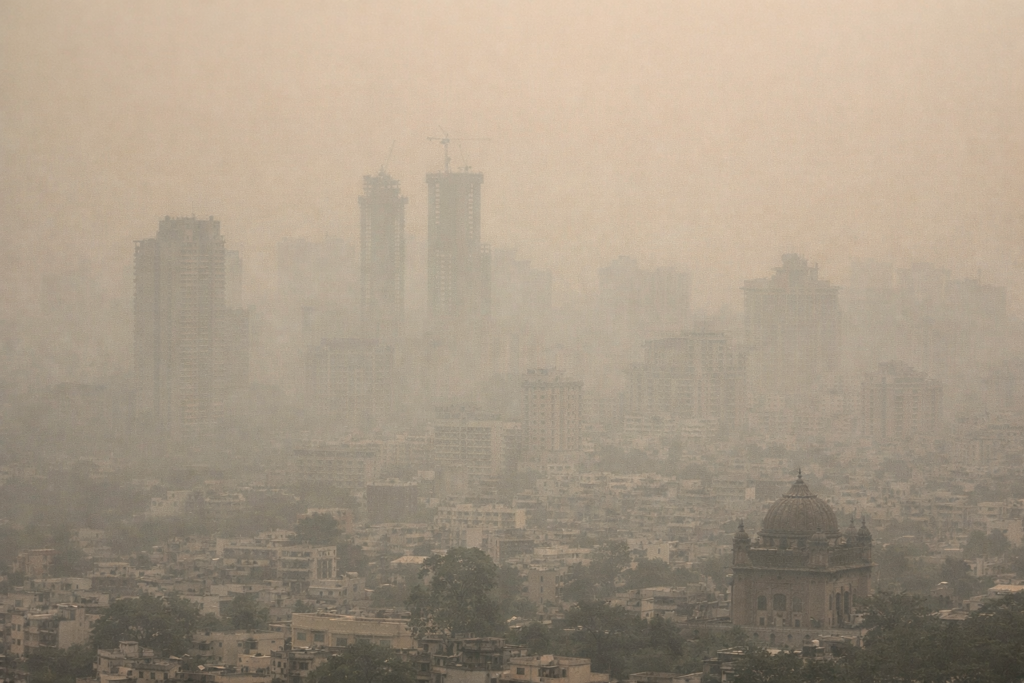
Air pollution continues to be one of the biggest environmental and public health challenges across the globe. Every year, scientists study the quality of the air people breathe and publish reports that compare pollution levels in different countries. The latest findings show that many cities in South Asia continue to struggle with high levels of pollution. According to the World Air Quality Report released by the Swiss air quality technology company IQAir, India has been ranked the sixth most polluted country in the world based on average levels of fine particulate matter known as PM2.5.
World air quality report places India sixth in pollution:
The report measures the concentration of PM2.5, extremely small particles in the air that can enter the lungs and bloodstream. These particles mainly come from vehicle emissions, industrial activity, construction dust, burning of fossil fuels, and crop burning. The study analysed air quality data from thousands of monitoring stations worldwide and compared pollution levels across countries and cities. The findings show that several cities in South Asia, including some in India, frequently record high PM2.5 levels.
Air pollution can affect human health in many ways, including increasing the risk of respiratory diseases, heart problems, and other health conditions. Experts say improving air quality will require cleaner energy, better transport systems, stricter pollution controls, and stronger monitoring of emissions. The report highlights the need for governments and communities to continue working on solutions to reduce pollution and improve the quality of the air people breathe.
Pakistan tops the list, followed by Bangladesh, Tajikistan, Chad and the Democratic Republic of the Congo, while Loni in Uttar Pradesh is named the world’s most polluted city.
What is PM2.5?
PM2.5 stands for “Particulate Matter” that is less than 2.5 micrometers in diameter. How small is that? You could fit about 30 of these particles across the width of a single strand of human hair! Because they are so small, they can bypass your nose and throat and go deep into your lungs and even your bloodstream.
Did you know? Plants are nature’s air purifiers! One large tree can provide enough oxygen for four people every day and can trap up to 150kgs of dust and pollutants in its leaves and bark every year.
Subscribe to The Junior Age Newspaper – click here. Know more fun facts on The Junior Age’s YouTube!