
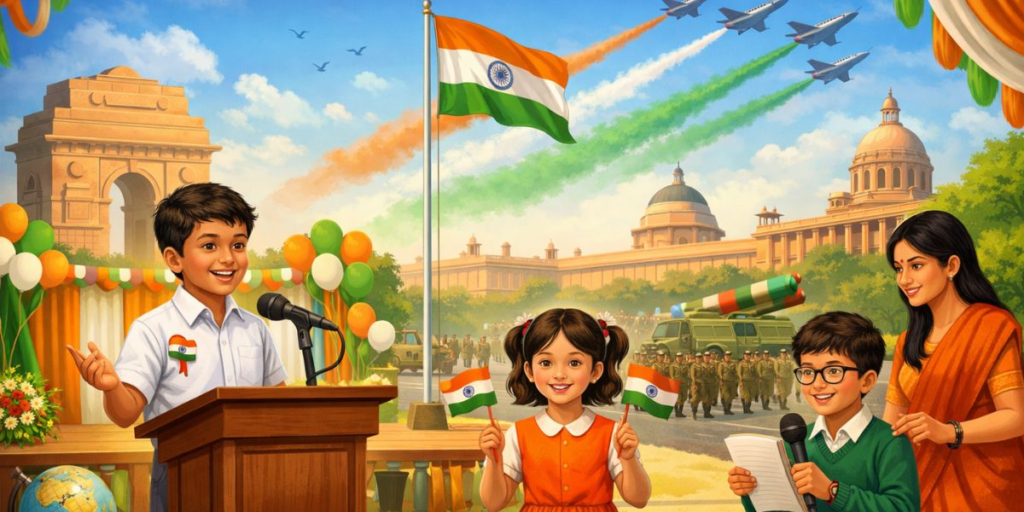
Republic Day is one of India’s most important national days, yet for many children, it can feel like just another holiday with a parade on TV. Flags wave, songs play, sweets are shared, and schools organise special assemblies. All of that is fun. However, the real meaning of Republic Day often gets lost along the way. Teaching kids what Republic Day means does not require a history lecture or complicated words. It needs stories, simple examples, and everyday connections. When explained well, Republic Day becomes a lesson about freedom, about rules, rights, and responsibilities. And The Junior Age will tell you how to sit with children, and talk about what truly makes India a republic. A chat that helps children understand that the Constitution is not just a big book kept in Delhi, but a guide that protects them, gives them a voice, and teaches them fairness.
One Republic Day Conversation Every Parent Should Have
Start with a question
Begin with a simple question – Why do we celebrate Republic Day?
Children understand rules at home and school. Bedtimes, homework, waiting for turns. Republic Day is the ideal time to connect those simple rules to the bigger idea of a country run by laws, not by one person. Explain that India chose to follow its own rulebook, called the Constitution, on 26 January 1950. This rulebook decides how the country should be run and makes sure everyone is treated equally, no matter who they are or where they come from.
Tell children that before this day, India did not have its own set of rules made by Indians. Republic Day celebrates the moment India chose to govern itself with fairness and law.
Use everyday examples kids relate to
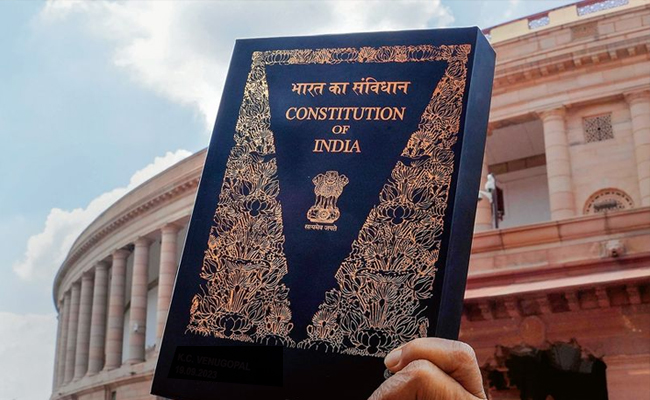
Begin with everyday life. Ask your child what would happen if there were no rules at school. No queues, no fair play, no safety. Then gently explain that a country also needs rules to stay fair and peaceful. These rules are written in the Constitution of India, which came into effect on 26 January 1950. That is why Republic Day is celebrated on this date.
This helps children see the Constitution not as an abstract idea, but as something similar to their class rulebook, only much bigger and far more important. Explain that the Constitution is like the biggest rulebook in the country. It tells leaders what they can and cannot do and protects people from being treated unfairly. This makes the idea clear without using heavy terms.
Explain the word ‘Republic’ in simple terms
Children often hear the word, but may not fully understand it. The word republic sounds big, but the idea is simple. In a republic, the country is run by people we choose, not by a king or queen. Everyone’s voice matters. This helps children understand that Republic Day is about choice, equality, and shared power. It also opens the door to talking about voting and democracy later on.
Talk about rights in child-friendly language
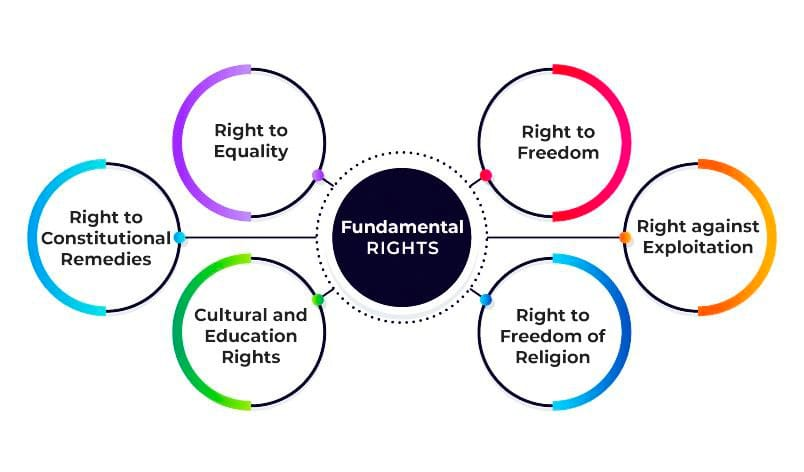
Republic Day is closely linked to rights. Explain that rights are things every child and adult is allowed to have. Examples work best.
– The right to go to school
– The right to speak and share ideas
– The right to be treated fairly
Make it clear that these rights are written in the Constitution to protect everyone, especially children. This helps kids see Republic Day as something that affects their own lives, not just adults.
Moreover, know Everything You Need To Know About India’s Republic Day
Introduce responsibilities as a citizen gently
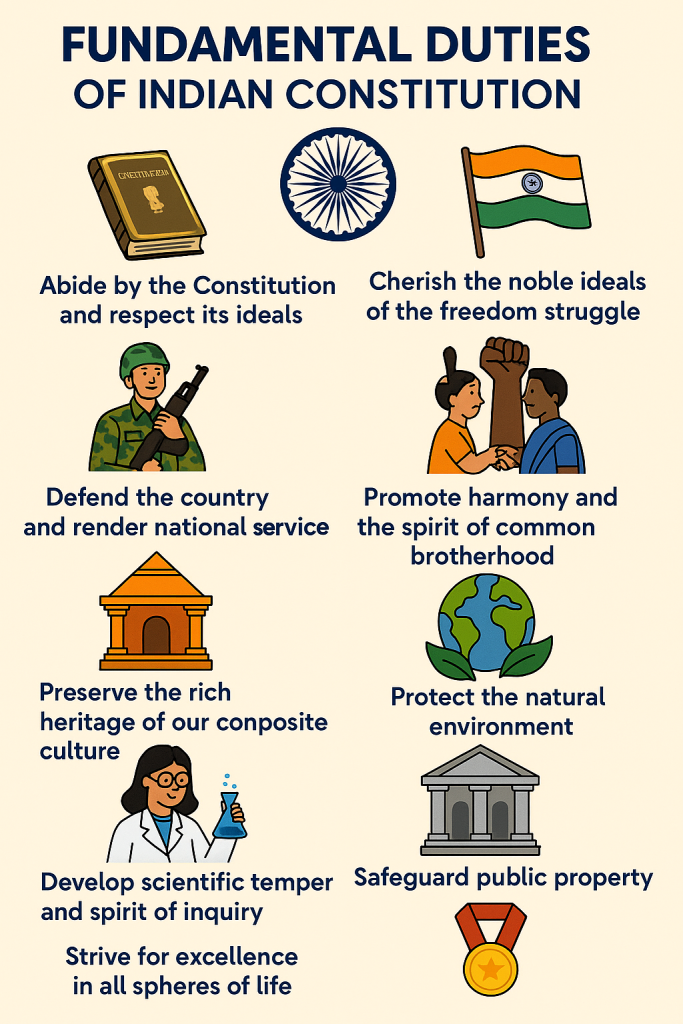
Once kids understand rights, introduce responsibilities. Keep it gentle and practical. Rights make sense only when paired with responsibilities. This is an important part of the conversation. Children already practise responsibilities at home. Tidying their room, helping others, and telling the truth. Explain that being a good citizen also means following rules, respecting differences, and caring for public spaces. Republic Day is about pride in the nation, but also about learning how to look after it and being responsible.
And, read – India’s Republic Day: History And Celebrations
Use stories, visuals, and activities to explain Republic Day
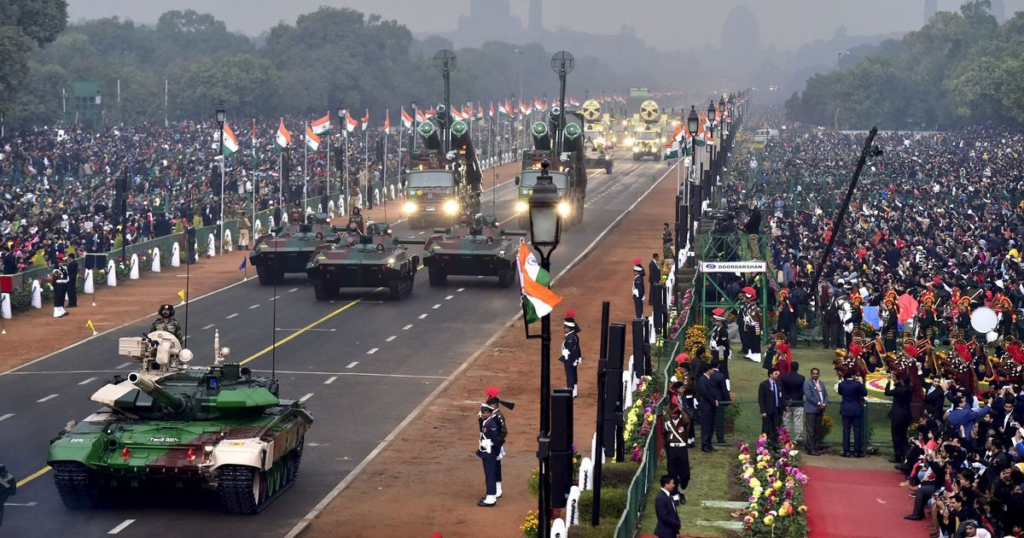
Children learn best when lessons are fun. Watch the Republic Day parade together and talk about what they see. Explain why different states, soldiers, and cultural performances are shown. You can even link it to current events or school situations where rules helped solve a problem. A short chat, repeated every year, can slowly build strong values. That is the real spirit of Republic Day.
You can also – ask them to draw what freedom means to them, read a short story about India’s leaders, or create a mini Constitution at home with family rules.
Also, read – Republic Day 2025: Highlights and Number of Tableaux
Why this conversation on Republic Day matters and shapes better citizens
When parents talk about Republic Day beyond flags and sweets, children begin to understand India as a shared home. They learn that freedom came with thought, effort, and responsibility. This builds respect for democracy, empathy for others, and confidence in asking questions. Such conversations help children grow into citizens who not only celebrate the nation but also understand it. They grow up knowing that freedom was earned and must be protected. This understanding shapes thoughtful, responsible citizens who care about their country beyond celebrations and holidays.
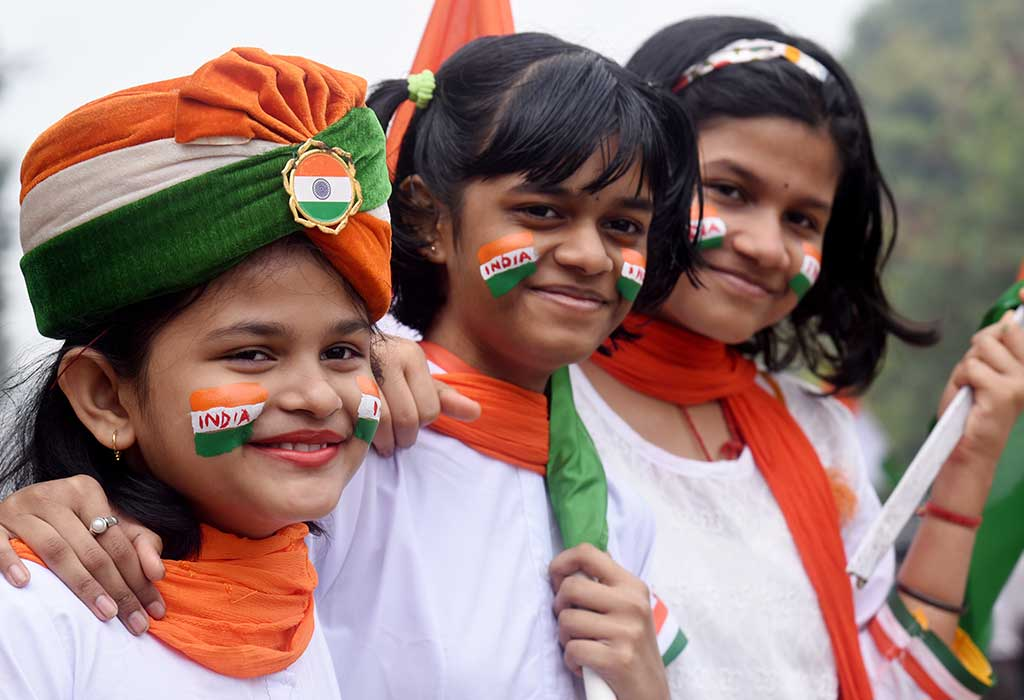
Republic Day is not only about remembering history. It is about passing on understanding. One honest, simple conversation can help children see the Constitution as a living guide that protects them and asks them to care in return.
Subscribe to The Junior Age Newspaper – click here. Know more fun facts on The Junior Age’s YouTube!