
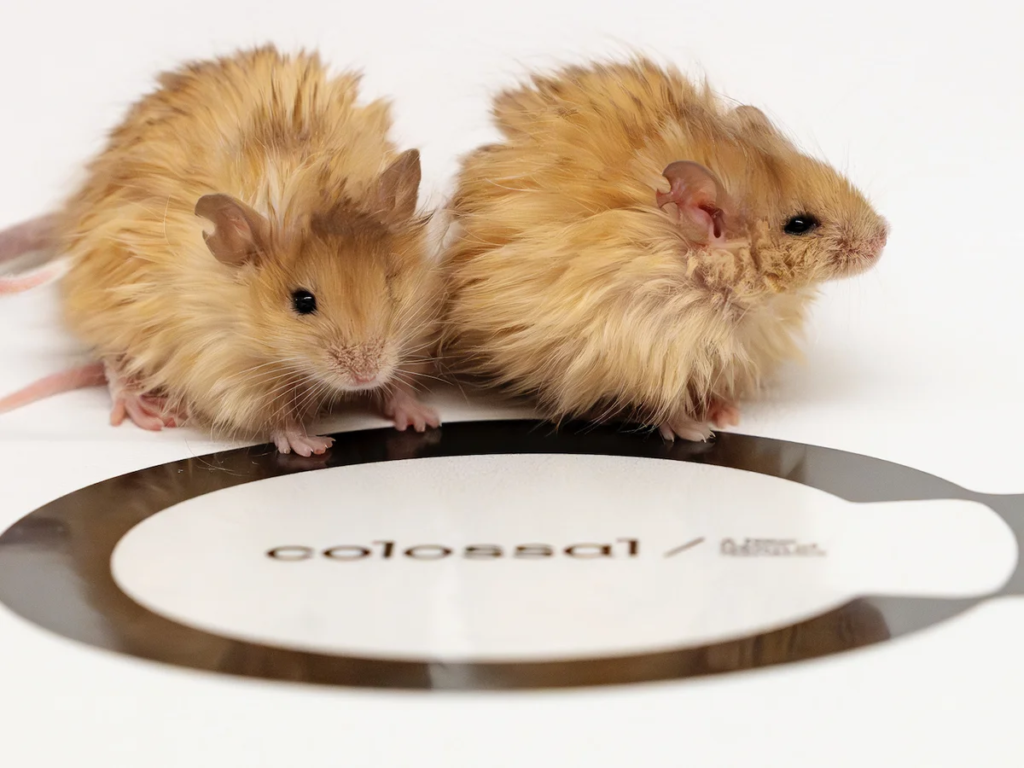
Science often sounds like science fiction, until it suddenly becomes real. From cloning to gene editing, researchers are now exploring ideas that once lived only in movies and books. One such bold idea is bringing back the woolly mammoth, an ancient giant that vanished thousands of years ago. While a real mammoth has not returned yet, scientists have taken a surprising first step by creating something much smaller but equally fascinating. Meet the Woolly Mouse.
What is the Wolly Mouse?
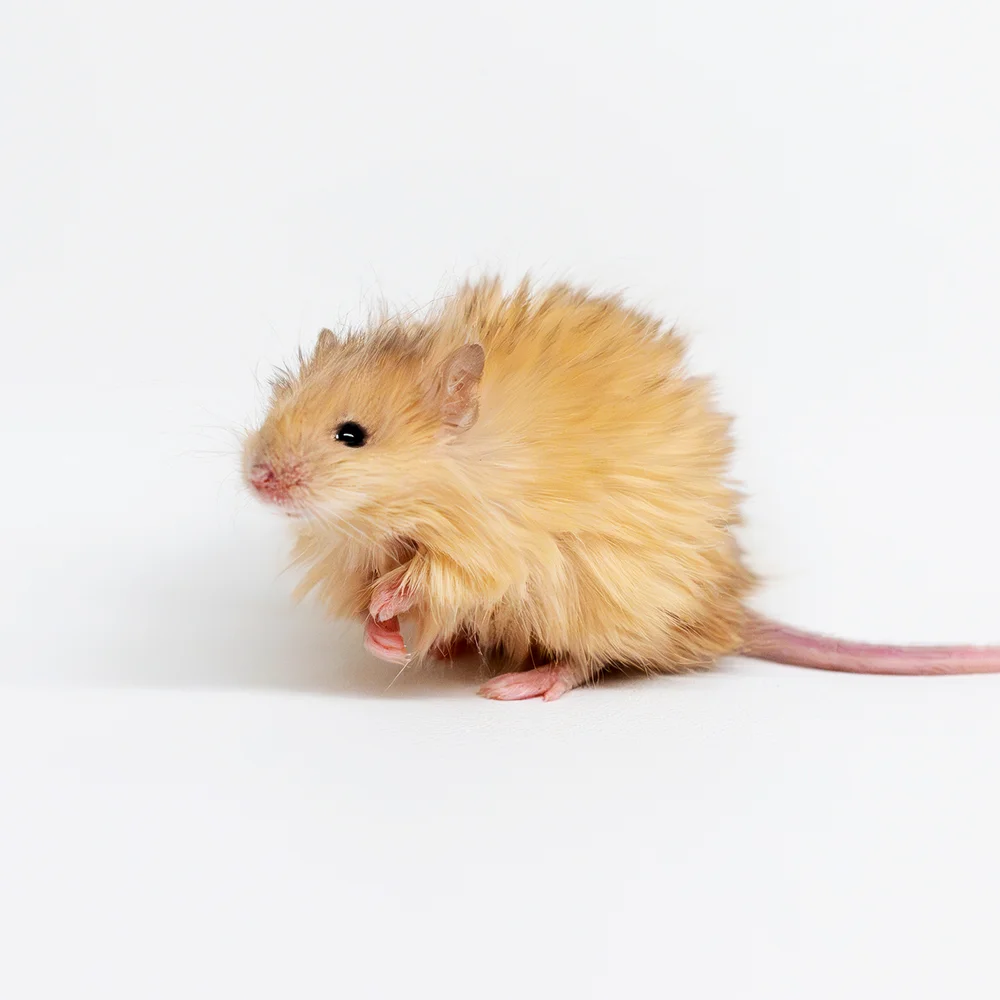
Scientists are working on something straight out of a sci-fi movie. A biotech company called Colossal Biosciences has successfully created genetically modified woolly mice, also known as Woolly Mice.
These mice have been altered using advanced genetic technology to grow thicker, hairier fur, inspired by the woolly mammoth. This experiment mixes DNA science with modern gene-editing tools and marks an important step towards creating mammoth-like animals in the future.
How does this connect to mammoths?
Colossal Biosciences aims to bring back the woolly mammoth, a giant, furry, elephant-like animal that went extinct thousands of years ago. Scientists are combining DNA from ancient woolly mammoths with their closest living relatives, Asian elephants.
The Wolly Mouse is a test experiment. If scientists can safely and successfully change genes in small animals, they can learn how to do this later in much larger ones. The company hopes to have baby mammoth-like animals by 2027.
Why bring mammoths back?
- Saving the planet: Scientists believe mammoth-like animals could help fight climate change. Long ago, mammoths trampled trees and grass in the Arctic. This helped keep the frozen ground, called permafrost, cold. If permafrost warms, it releases harmful greenhouse gases. Mammoths may have helped prevent this.
- Biodiversity boost: Bringing back extinct species could help restore ecosystems and inspire better protection for animals that are endangered today. It also pushes science to find new ways to save wildlife before it disappears forever.
The Wolly Mouse may be tiny, but its impact is huge. It shows how fast genetic science is moving and raises important questions about how humans use technology. While mammoths are not walking the Earth yet, this small mouse proves that the idea is no longer impossible.
Did you know? Woolly mammoths, which look like a hairy version of modern elephants, died out about 4,000 years ago, after the end of the last Ice age.
Subscribe to The Junior Age Newspaper – click here. Know more fun facts on The Junior Age’s YouTube!