
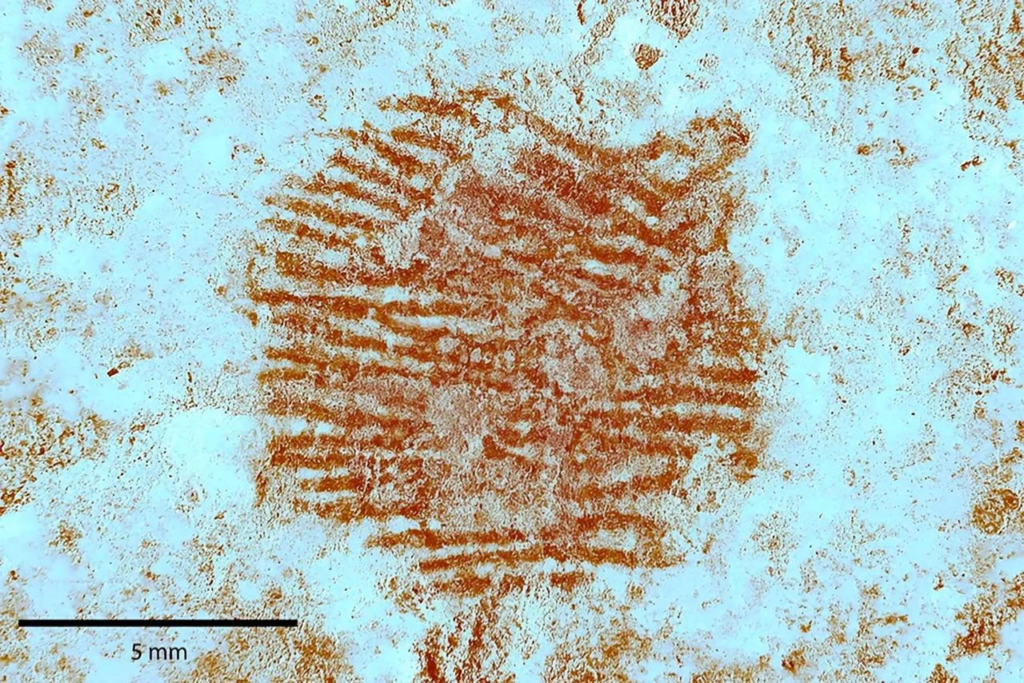
Sometimes, the smallest marks tell the biggest stories. A tiny fingerprint pressed onto a rock has now opened a new window into the minds of our ancient relatives. The world’s oldest fingerprint discovery is helping scientists rethink what early humans, especially Neanderthals, were capable of thousands of years ago. Found in Spain, this discovery blends science, history, and creativity in one powerful moment from the distant past.
World’s Oldest Fingerprint Found: A Neanderthal Mark From 43,000 Years Ago
A team of scientists in Spain has found a 43,000-year-old red fingerprint on a rock, possibly making it the oldest human fingerprint ever discovered. The fingerprint was found on a pebble at San Lázaro, a site in central Spain, just north of Madrid.
Why is the pebble special?
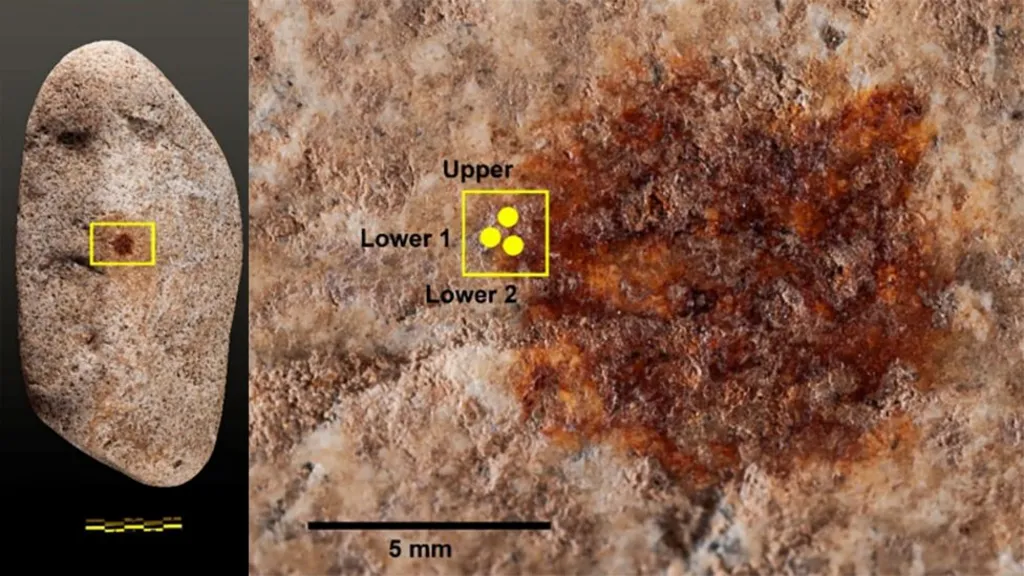
The pebble is believed to come from a place once inhabited by Neanderthals. Interestingly, it already looks a bit like a human face, with natural shapes resembling two eyes and a mouth. Researchers think a Neanderthal deliberately dipped a finger into red pigment and pressed it onto the stone to form a nose.
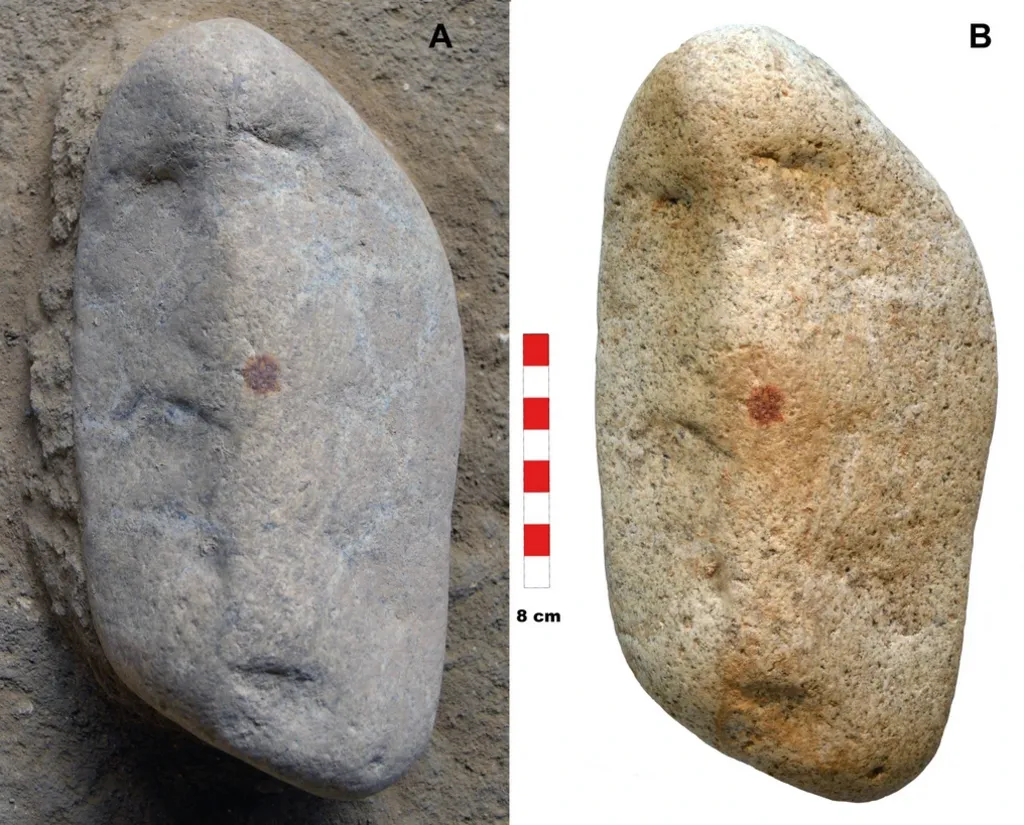
This simple fingerprint carries a big message. Scientists believe it shows that Neanderthals could think creatively and symbolically. It challenges the old belief that Neanderthals were unable to create art or express complex thoughts. Instead, this finding suggests they could imagine, observe shapes, and add meaning to objects around them. The findings were published in the journal Archaeological and Anthropological Sciences, adding strong scientific weight to the discovery.
Who Were the Neanderthals?
Neanderthals were ancient humans who lived a very long time ago—mostly in Europe and parts of Asia between 400,000 and 40,000 years ago. They looked kind of like us, but with some differences.
Subscribe to The Junior Age Newspaper – click here. Know more fun facts on The Junior Age’s YouTube!