
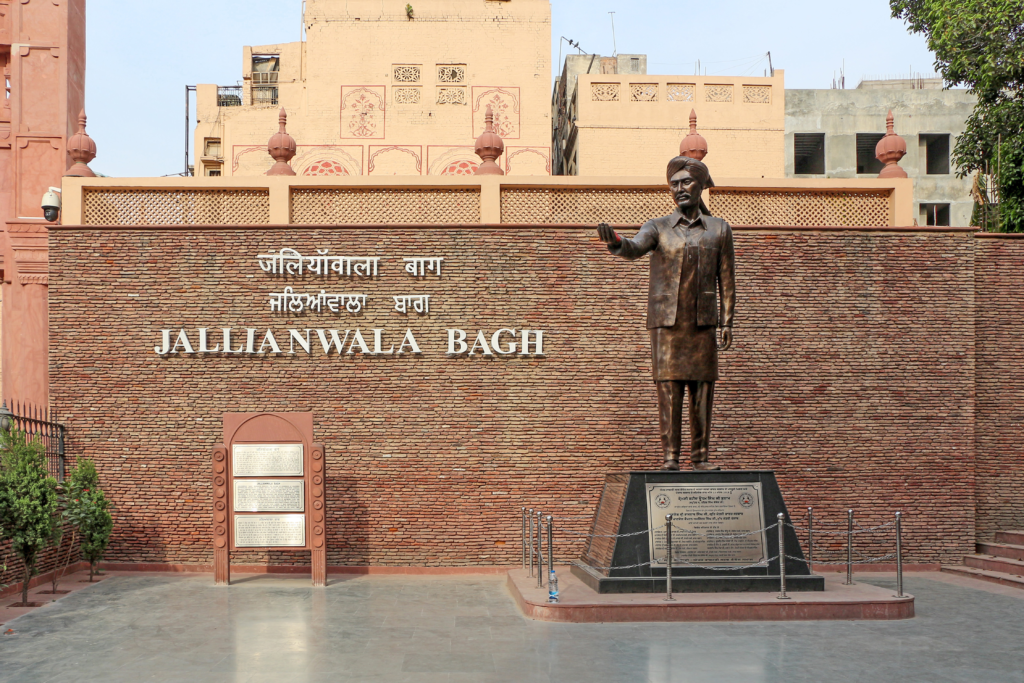
Every year on 13 April, India observes Jallianwala Bagh Remembrance Day. The day honours the hundreds of people who lost their lives in one of the most tragic events of India’s freedom struggle. The incident took place in 1919 at Jallianwala Bagh in Amritsar, Punjab, when British troops opened fire on a large crowd of unarmed civilians. The massacre shocked the nation and became a turning point in the movement for India’s independence.Let’s dive in and understand the story of Jallianwala Bagh to learn how India’s freedom movement grew stronger and why remembering history matters.
Jallianwala Bagh Massacre: A Moment That Changed India –
Jallianwala Bagh is located near the Golden Temple in Amritsar. In 1919, it was an open ground surrounded by high walls and narrow entrances. On 13 April 1919, thousands of people gathered there. Many had come to celebrate Baisakhi, an important harvest festival in Punjab. Others were attending a peaceful meeting to protest against a new British law called the Rowlatt Act. The Rowlatt Act allowed the British government to arrest people without trial. Many Indians believed the law was unfair and had begun organising peaceful protests across the country.
What Happened on 13 April 1919?
On the afternoon of 13 April, Brigadier General Reginald Dyer, a British officer, entered Jallianwala Bagh with a group of soldiers. Without warning the crowd to leave, he ordered his troops to fire into the gathering.
Because the garden had narrow exits and high walls, people found it extremely difficult to escape. Many tried to climb the walls. Others ran in panic as the firing continued. Some people jumped into a deep well inside the garden to avoid the bullets. Today, this place is remembered as the Martyrs Well. Brigadier-General Reginald Dyer ordered troops to fire approximately 1,650 rounds for 10–15 minutes into an unarmed, trapped crowd, causing hundreds to thousands of deaths. While official British records suggested lower numbers, Indian estimates indicate over 1,000 deaths and many more injured, with many trapped in the Martyr’s Well.
The Impact of Jallianwala Bagh Massacre
The Jallianwala Bagh massacre caused shock and anger across India. News of the incident spread quickly and deeply affected public opinion about British rule.
One of India’s most respected poets and thinkers, Rabindranath Tagore, protested against the massacre by returning the knighthood that had been awarded to him by the British government. The event also strengthened the growing demand for independence. Many Indians who had hoped for reforms under British rule began calling for complete freedom from colonial control.
Also, watch all about: Mahatma Gandhi: The Leader Who Won Freedom Without Violence
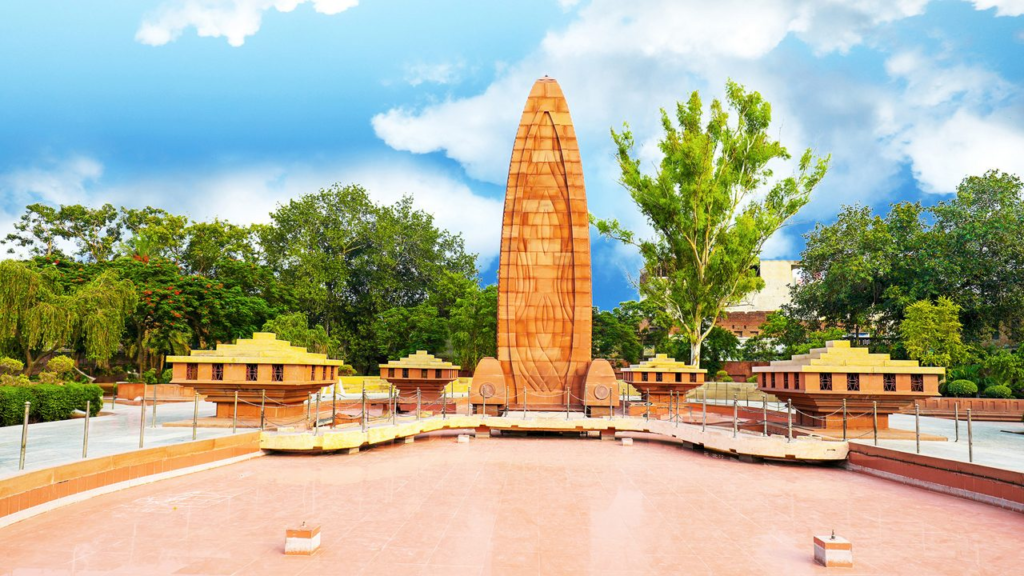
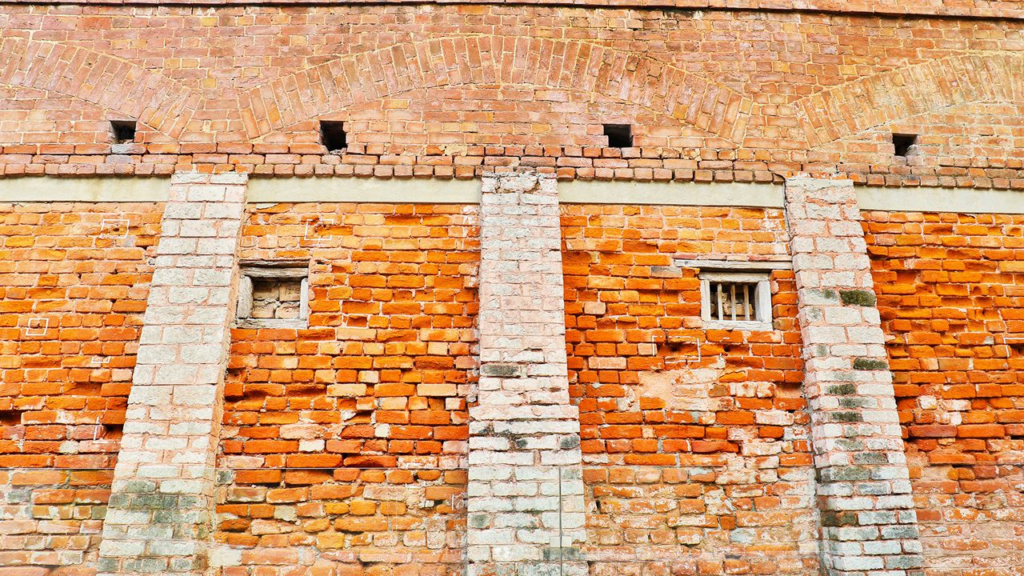
Today, Jallianwala Bagh is preserved as a national memorial in Amritsar. Visitors can still see the bullet marks on the walls and the Martyrs Well where many people jumped to escape the firing. Every year on 13 April, people gather at the memorial to pay tribute to the victims. The day serves as a reminder of the sacrifices made during India’s struggle for freedom.
Also watch: Indian Constitution Explained for Kids | Rights, Duties and Republic Day
Subscribe to The Junior Age Newspaper – click here. Know more fun facts on The Junior Age’s YouTube!