
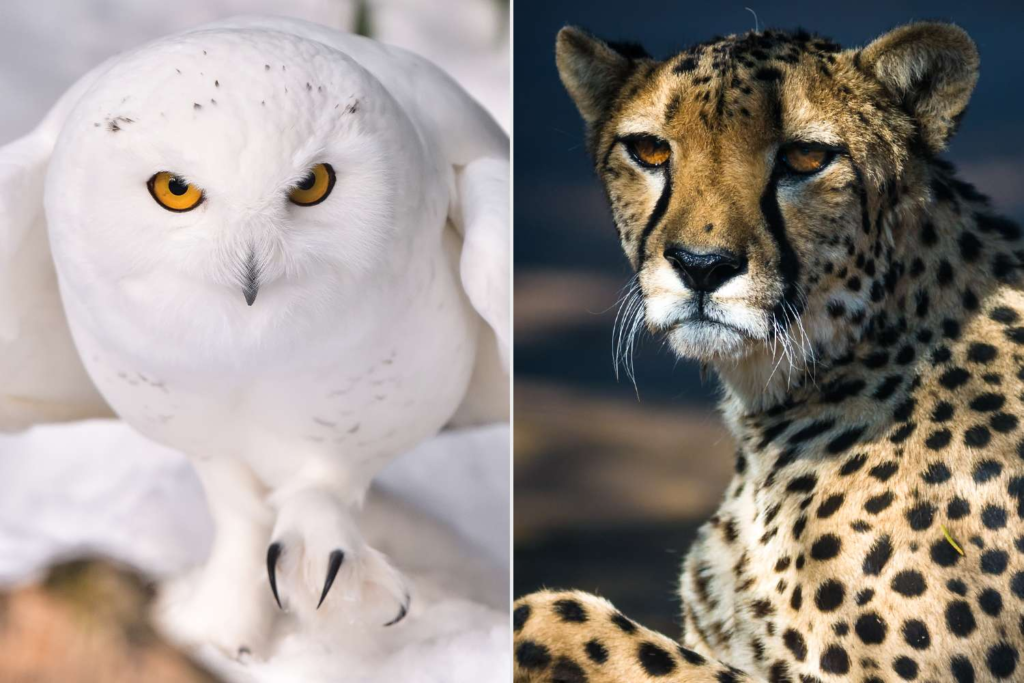
Migratory wildlife travels across oceans, forests and continents every year. Many of these animals depend on safe habitats in several countries during their long journeys. Now the world has taken a new step to protect them. In March 2026, governments agreed to add 40 migratory wildlife species to global protection list under the Convention on the Conservation of Migratory Species of Wild Animals during the 15th Conference of the Parties (COP15) held in Campo Grande, Brazil.
Global Protection List – An Agreement to Protect Animals Crossing International Borders:
The decision was supported by more than 130 countries and the European Union, which are members of the United Nations wildlife treaty. The newly added species to the global protection list will now receive protection under CMS Appendix I or Appendix II, which require countries to protect habitats, reduce threats and cooperate internationally to conserve migratory wildlife.
Why migratory species need protection?
Migratory animals travel long distances to breed, feed or survive seasonal changes. Because they cross several countries during these journeys, conservation efforts must involve international cooperation.
Major threats include:
• Illegal wildlife trade
• Habitat destruction and loss of migration corridors
• Climate change altering ecosystems
• Marine pollution and plastic waste
• Accidental capture in fishing nets
Full list: 40 wildlife species added to global protection list
Terrestrial Mammals
- Cheetah (Zimbabwe population)
- Striped hyena
Birds
- Snowy owl
- Flesh-footed shearwater
- Iberá seedeater
- Hudsonian godwit
- Hudsonian whimbrel
- Lesser yellowlegs
Gadfly Petrels (Migratory Seabirds)
- Barau’s petrel
- Vanuatu petrel
- Black-capped petrel
- Zino’s petrel
- Magenta petrel
- Atlantic petrel
- Fiji petrel
- Mascarene petrel
- Beck’s petrel
Note: Species numbered 18 to 34 on the list include some additional seabirds and certain populations from the bird groups Pterodroma and Pseudobulweria. These birds were added so that countries can work together internationally to protect them, since many seabirds travel long distances across oceans. The exact species or populations have not been publicly revealed, but they were included to improve cooperation between countries in protecting these birds.
Aquatic Mammals
- Giant otter
Sharks and Migratory Fish
- Pelagic thresher shark
- Bigeye thresher shark
- Common thresher shark
- Scalloped hammerhead shark
- Great hammerhead shark
What does this decision mean for wildlife?
Once a species is listed under CMS protection, countries must take steps to safeguard it. These include:
• Protecting key habitats and migration routes
• Reducing hunting and illegal wildlife trade
• Improving international research and monitoring
• Promoting conservation partnerships between countries
The treaty now protects more than 1,200 migratory species globally, highlighting the growing need for coordinated wildlife conservation.
Why protecting migratory animals matters?
Migratory animals help maintain healthy ecosystems. Birds spread seeds and control insects. Marine animals keep ocean food chains balanced. Mammals help maintain biodiversity in forests and grasslands. Protecting them also protects the ecosystems humans depend on, from oceans and rivers to forests and wetlands. Scientists say the new protections are an important step. However, countries must now turn these commitments into real conservation action on the ground.
Fun fact: More than 38,000 species of animals and plants are currently protected under the CITES international agreement.
Also, shop flashcards to learn more about Animals And Their Young Ones and Mammals Flash Cards!
Subscribe to The Junior Age Newspaper – click here. Know more fun facts on The Junior Age’s YouTube!