
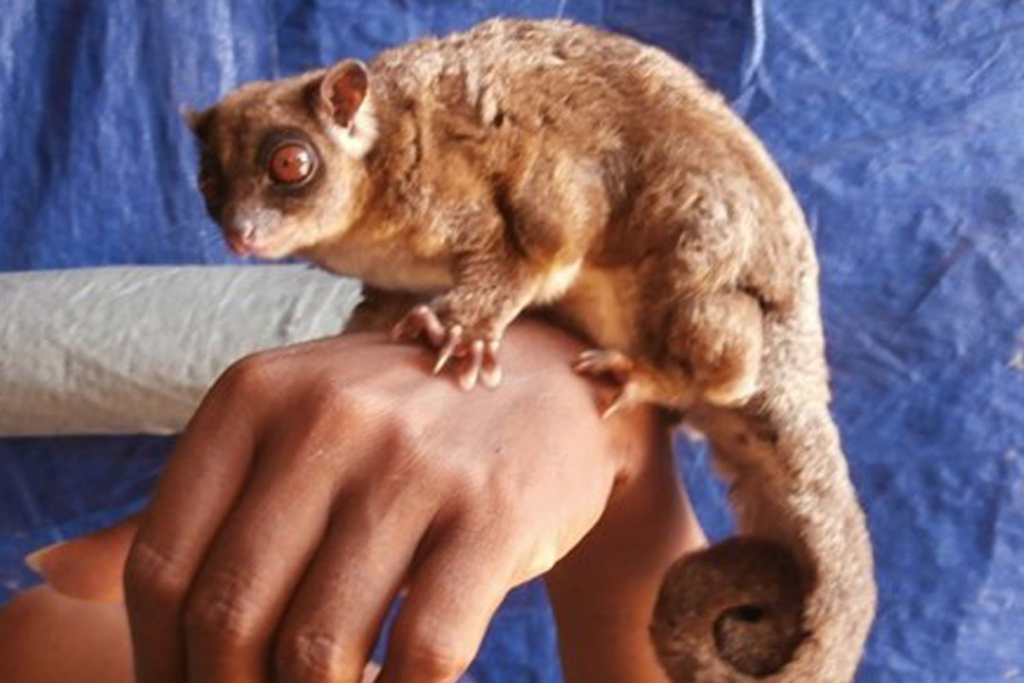
The natural world still holds many surprises, especially in remote forests that scientists have barely explored. In a remarkable wildlife discovery, researchers have found two rare marsupial species in the rainforests of New Guinea, an island north of Australia in the Pacific Ocean. The animals were long believed to have disappeared thousands of years ago. Scientists confirmed that the Ayamaru ring-tailed glider and the pygmy long-fingered possum are still alive after several years of field research in the remote Vogelkop Peninsula in Indonesia. The two marsupials species had not been recorded in the wild for about 6,000 years, making the discovery a major moment for wildlife science.
Two marsupials believed extinct for 6,000 years found alive:
Researchers carried out detailed surveys in dense rainforest across the Vogelkop Peninsula, with crucial help from local Indigenous communities, who guided scientists through the difficult terrain and helped locate the animals.
The pygmy long-fingered possum has a very unusual feature: an extremely long finger that it uses to pull insect larvae out of tree bark for food. The Ayamaru ring-tailed glider, meanwhile, can glide from tree to tree using a thin skin membrane stretched between its limbs.
Scientists describe such rediscovered animals as Lazarus species, a term used for creatures that were believed extinct but are later found alive again. Discoveries like this highlight how little scientists still know about wildlife in remote forests and why protecting these habitats remains important. Word Check: Marsupials are mammals that carry and nurse their babies in a pouch, like kangaroos and koalas.
Subscribe to The Junior Age Newspaper – click here. Know more fun facts on The Junior Age’s YouTube!