
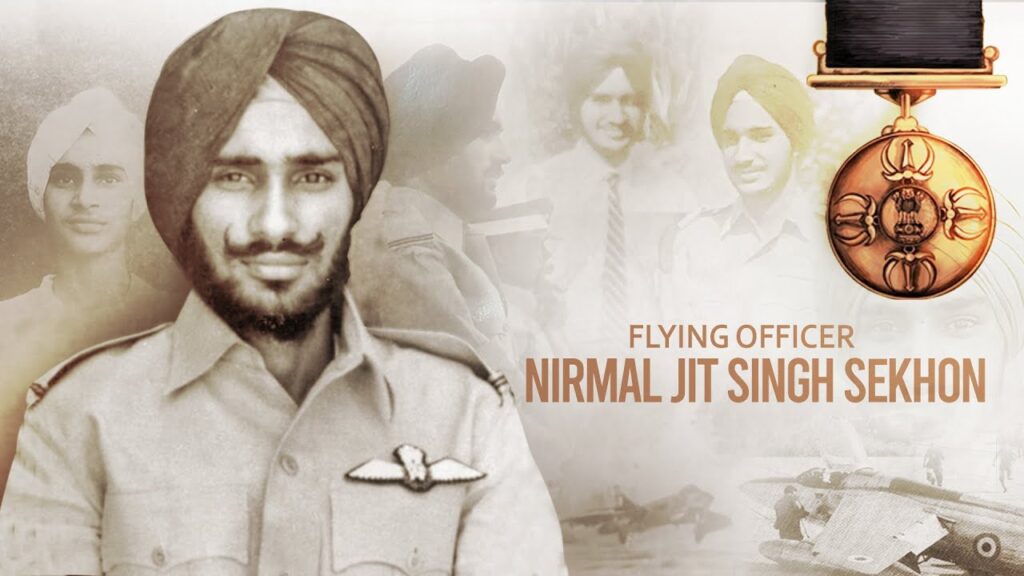
Bravery is not always loud. Sometimes, it is calm, focused, and fearless even when the odds are impossible. The story of Flying Officer Nirmal Jit Singh Sekhon is one such tale. His courage during the 1971 India–Pakistan War demonstrated to the world what duty, sacrifice, and love for one’s nation truly mean. Awarded the Param Vir Chakra, India’s highest gallantry award, Sekhon remains the only Indian Air Force officer to receive this honour.
Flying Officer Nirmal Jit Singh Sekhon: The IAF Hero Who Earned the Param Vir Chakra
Who Was Flying Officer Nirmal Jit Singh Sekhon?
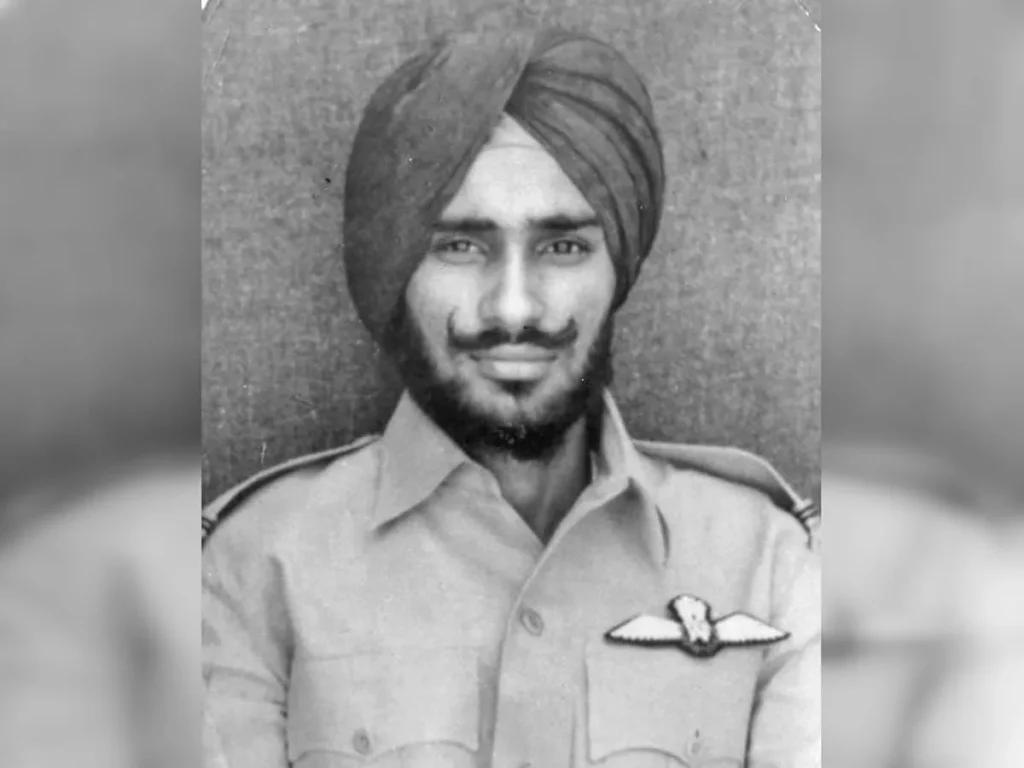
Nirmal Jit Singh Sekhon was born on July 17, 1945, in Isewal village, Ludhiana district, Punjab. From a young age, he was known for his discipline and determination. After completing his education, he joined the National Defence Academy and later the Indian Air Force, where he trained as a fighter pilot.
By 1971, Sekhon was posted at Srinagar airbase, a key location during the India-Pakistan War.
The Battle That Defined His Legacy
On the morning of December 14, 1971, Srinagar airbase faced one of its most dangerous moments of the war. Pakistani Air Force fighter jets launched a sudden and aggressive strike aimed at destroying Indian aircraft on the ground and crippling air operations in the region. The timing was critical. Several Indian aircraft were already damaged from earlier attacks, runways were under threat, and the airbase was packed with fuel dumps and vital installations.
Amid the chaos, Flying Officer Nirmal Jit Singh Sekhon was on readiness duty. As enemy Sabre jets closed in, he received the order to scramble. The odds were stacked heavily against him. He was flying a Gnat, a small and light fighter aircraft, against multiple enemy jets that were faster and better armed. Still, Nirmal Jit Singh Sekhon chose action over safety.
He took off under intense enemy fire, knowing fully well that the airbase below housed not just aircraft but also civilians and ground crew who depended on air cover for survival. Once airborne, he engaged the attacking jets head-on. In a sharp and daring dogfight, Nirmal managed to damage at least one enemy aircraft and force others to break formation. His aggressive manoeuvres disrupted the attack plan and prevented the enemy from carrying out precise strikes on the runway and parked aircraft.
As the battle continued, Nirmal’s aircraft was hit. Despite sustaining damage, he stayed in the fight, continuing to defend the airspace until his aircraft was fatally struck. He was martyred in action, but his bravery ensured that the Srinagar airbase remained operational. His lone stand played a crucial role in protecting India’s control of the region during a decisive phase of the war.
This single mission turned Flying Officer Sekhon into a symbol of unmatched courage. Outnumbered, outgunned, and fully aware of the risks, he chose duty above life.
Nirmal Jit Singh Sekhon: Param Vir Chakra Awardee
The Param Vir Chakra is India’s highest military gallantry award. It is given for the most exceptional acts of bravery in the presence of the enemy. Winning it means going far beyond duty, with no concern for personal safety. Flying Officer Nirmal Jit Singh Sekhon’s actions during the 1971 India-Pakistan War met this standard in every possible way.
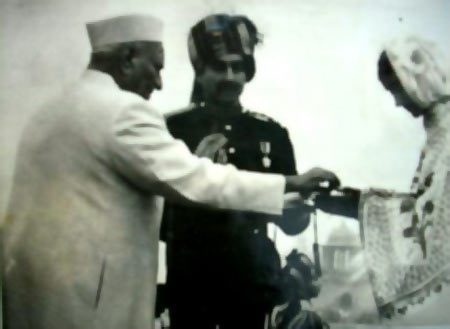
Nirmal Jit Singh Sekhon was awarded the Param Vir Chakra posthumously for his fearless defence of the Srinagar airbase on December 14, 1971. At a moment when the airbase faced a coordinated enemy attack, he chose to take off alone, fully aware that he was outnumbered and flying into grave danger. His decision protected not just military assets, but also ground personnel and civilians living nearby.
What makes this honour even more significant is that Flying Officer Sekhon remains the only officer from the Indian Air Force to receive the Param Vir Chakra. His award stands as a rare symbol of aerial heroism and self-sacrifice. For generations of Indians, his name represents the highest values of the armed forces courage, discipline, and service before self.
Today, the Param Vir Chakra awarded to Nirmal Jit Singh Sekhon is not just a medal. It is a reminder that one brave decision, taken at the right moment, can change the course of history and protect countless lives.
Did You Know?
- Flying Officer Sekhon was only 26 years old when he was martyred.
- Srinagar airbase remains one of the most strategically important airbases in India.
- Several Indian Air Force institutions and memorials are named in his honour.
Subscribe to The Junior Age Newspaper – click here. Know more fun facts on The Junior Age’s YouTube!