

Healthy eating habits begin early, and schools play a powerful role in shaping what children choose to eat every day. The World Health Organization released its new global guidance titled the the WHO guideline on school food and nutrition policies, urging schools worldwide to create healthier food environments for students. With rising concerns about childhood obesity and poor nutrition, WHO says schools must make healthy choices easier and more appealing. Many children today face a double challenge. Some do not get enough nutritious food, while others consume too much processed and unhealthy food. Poor eating habits can affect energy levels, learning ability, growth and long-term health. Since children spend a large part of their day in school, improving school meals and food environments can help them stay focused, grow well and build lifelong healthy habits.
WHO urges schools worldwide to promote healthy eating for children:
Key Facts & Figures from WHO’s School Food Guidelines
188 million school-aged children and adolescents are living with obesity worldwide in 2025 – that means about 1 out of every 10 children is obese, and this is more than the number of underweight children for the first time in history. Only 48 countries have rules that limit marketing of sugary, salty, or unhealthy foods around schools – meaning many children are still exposed to advertisements for junk food. Children with healthier food choices are more likely to have energy, focus in class, and grow normally.
Key recommendations from the WHO guidelines:
Set healthy food standards
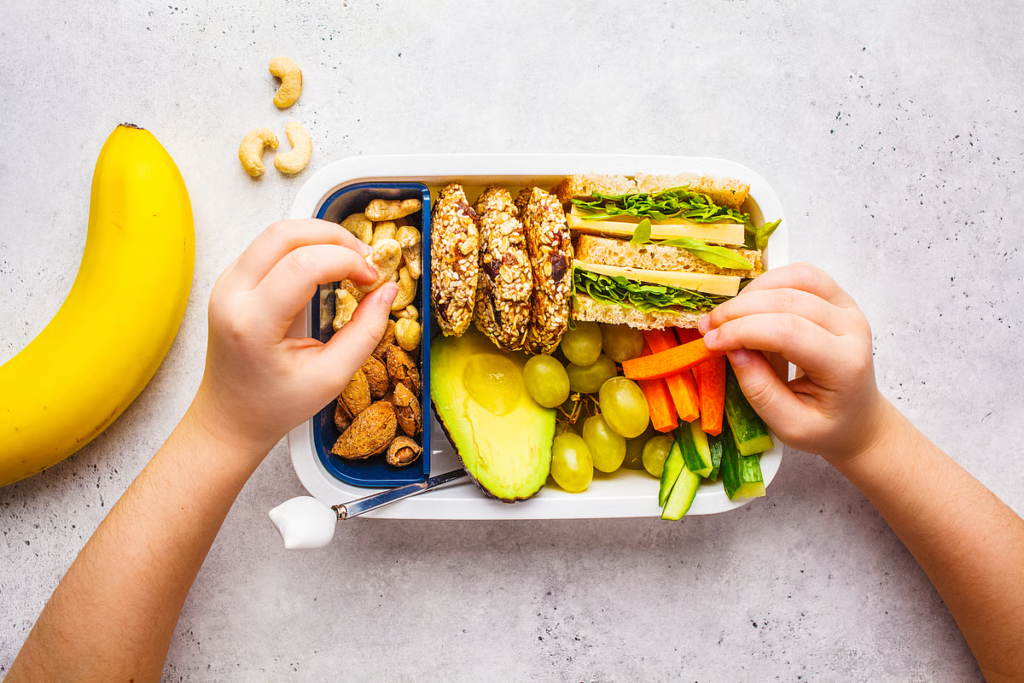
WHO recommends that schools provide balanced, nutritious meals and snacks. This includes fruits, vegetables, whole grains and access to clean drinking water. Sugary drinks, junk food and highly processed snacks should be limited or removed from school spaces. Clear standards help ensure that children receive healthy options every day.
Encourage better choices
Simple changes in school cafeterias can guide children towards smarter food decisions. Placing fruits and healthy meals at eye level and making them easier to access can influence what students pick. When healthy food looks attractive and is easy to choose, children are more likely to eat it.
Monitor and enforce policies
Healthy food rules should not exist only on paper. WHO says schools and authorities must regularly check whether nutrition policies are being followed. Monitoring ensures that standards remain strong and that unhealthy foods are not promoted or sold within school areas.
Limit marketing of unhealthy food
Only 48 countries currently restrict advertising of sugary, salty or unhealthy foods around schools. WHO urges stronger rules to protect children from junk food marketing near learning spaces. Reducing exposure to such advertising can help children make healthier choices.
Build a global culture of healthy eating
More than 100 countries already have some form of school nutrition policy, but stronger implementation is needed. WHO hopes its new guidance will inspire governments, schools and communities to work together. Healthy school food can help children stay energetic, focus better in class and grow into healthier adults with strong lifelong habits.
Why This Is Important for Students
Healthy eating at school helps children:
- Stay energetic and focused
- Learn better in class
- Build lifelong habits for good health
The WHO hopes these guidelines will inspire schools worldwide to make nutritious food the easy choice.
Subscribe to The Junior Age Newspaper – click here. Know more fun facts on The Junior Age’s YouTube!