
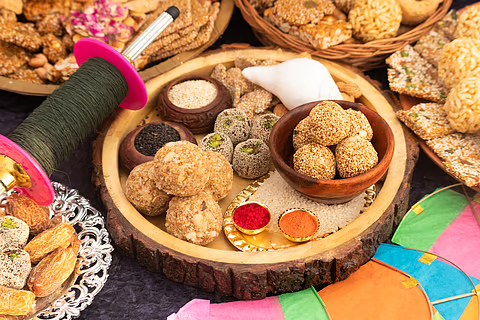
Makar Sankranti is one festival, yet it looks wonderfully different as you travel across India. The sun’s movement into Capricorn is the common thread, but food, rituals, names, and emotions change with every region. From sweet exchanges to sky-high kites and harvest feasts, each celebration across India tells a local story while sharing a national heartbeat. Same festival, many traditions. Let’s dive deep into the traditions and regional celebrations with The Junior Age!
Know How Makar Sankranti Is Celebrated Across Different Indian States:
Makar Sankranti Celebrations in Maharashtra
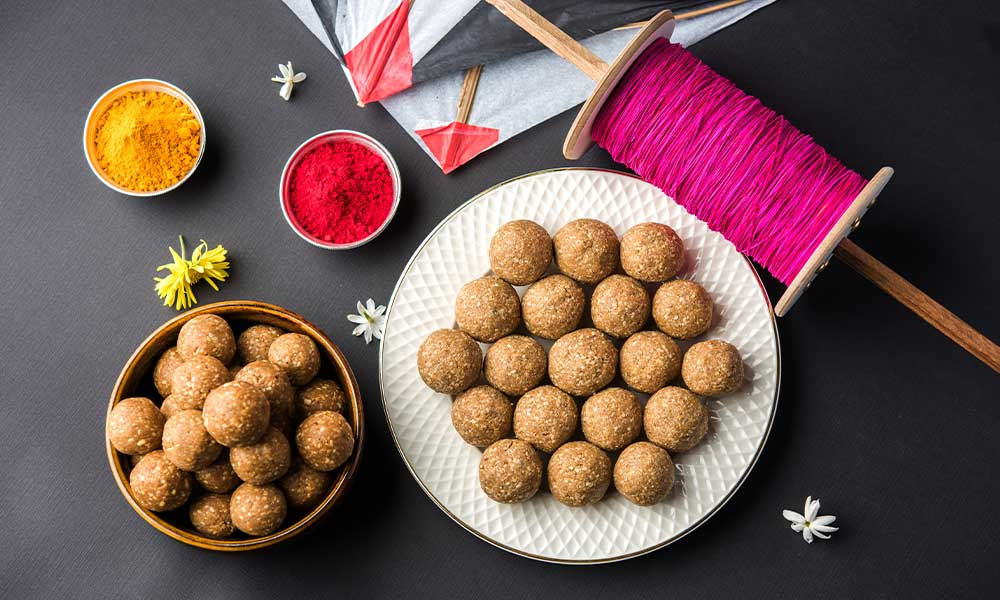
In Maharashtra, Makar Sankranti is all about sweetness and relationships. People greet each other with tilgul, sweets made from sesame seeds and jaggery, while saying tilgul ghya, god god bola, which means accept this sweet and speak sweetly. This simple line carries a big message: forget old arguments, start fresh, and speak kindly. Married women exchange haldi-kumkum as a sign of respect and goodwill. Children love the colourful sweets, while parents pass on a gentle lesson about harmony and forgiveness. Here, the festival feels calm, thoughtful, and deeply rooted in human values.
Gujarat: Uttarayan Celebrations with Kite Flying!
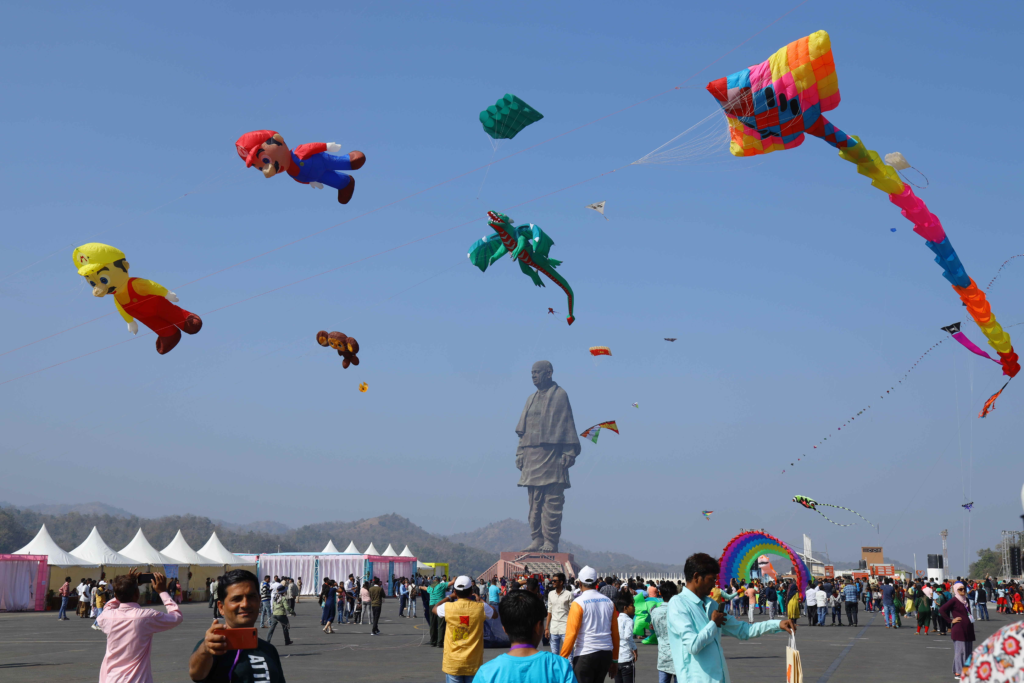
In Gujarat, Sankranti is celebrated as Uttarayan, a vibrant two-day festival (Jan 14-15) famous for its spectacular International Kite Festival, where skies fill with colourful kites as people gather on rooftops to fly them, marking the sun’s northward journey and the start of longer days, alongside special foods like Chikki and Undhiyu. Rooftops come alive as families fly kites from morning till sunset. Music, laughter, and friendly kite battles fill the air. This version of the festival teaches joy, teamwork, and healthy competition. It shows children how tradition can be playful, loud, and full of movement.
Khichdi Parv: Uttar Pradesh and Bihar
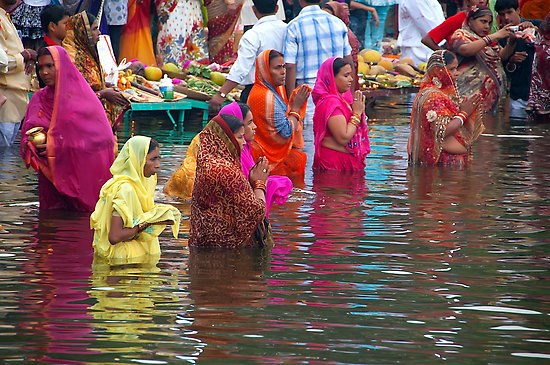
In Uttar Pradesh and Bihar, Makar Sankranti, known as Khichdi Parv, is a major harvest festival centred around holy river dips (especially Ganga), feasting on khichdi and sesame sweets, and donating rice and jaggery. Celebrating the transition to longer days with cultural traditions, marking the end of winter and the beginning of prosperity. Families prepare special khichdi (rice and lentils) and dahi chura (flattened rice with yoghurt) for communal feasts, while rituals at sacred spots like Prayagraj’s Sangam are key for spiritual cleansing. The focus here is on purity, gratitude, and community. Children see how festivals can be quiet, meaningful, and deeply connected to belief and discipline.
Punjab, Delhi and North India Celebrate Lohri
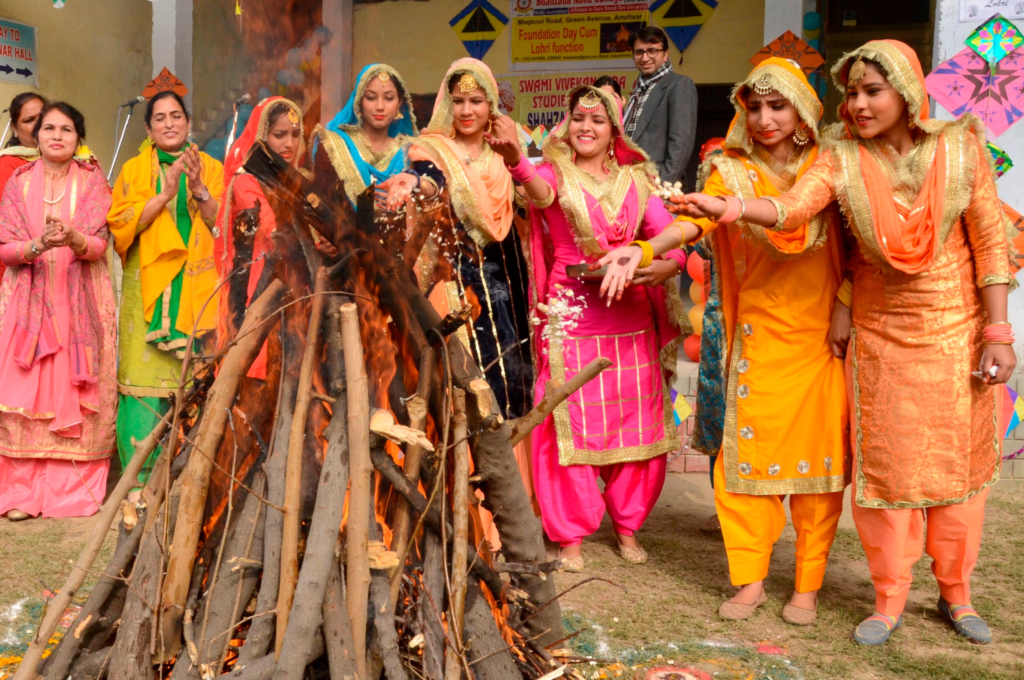
In Punjab, Delhi, and much of north India, Makar Sankranti is closely linked with Lohri and marks the heart of winter celebrations. Bonfires are lit in neighbourhoods and villages as families gather to sing folk songs, dance, and offer peanuts, popcorn, til, and jaggery to the fire. The flames symbolise warmth, protection, and gratitude for the harvest.
Tamil Nadu Celebrates Pongal
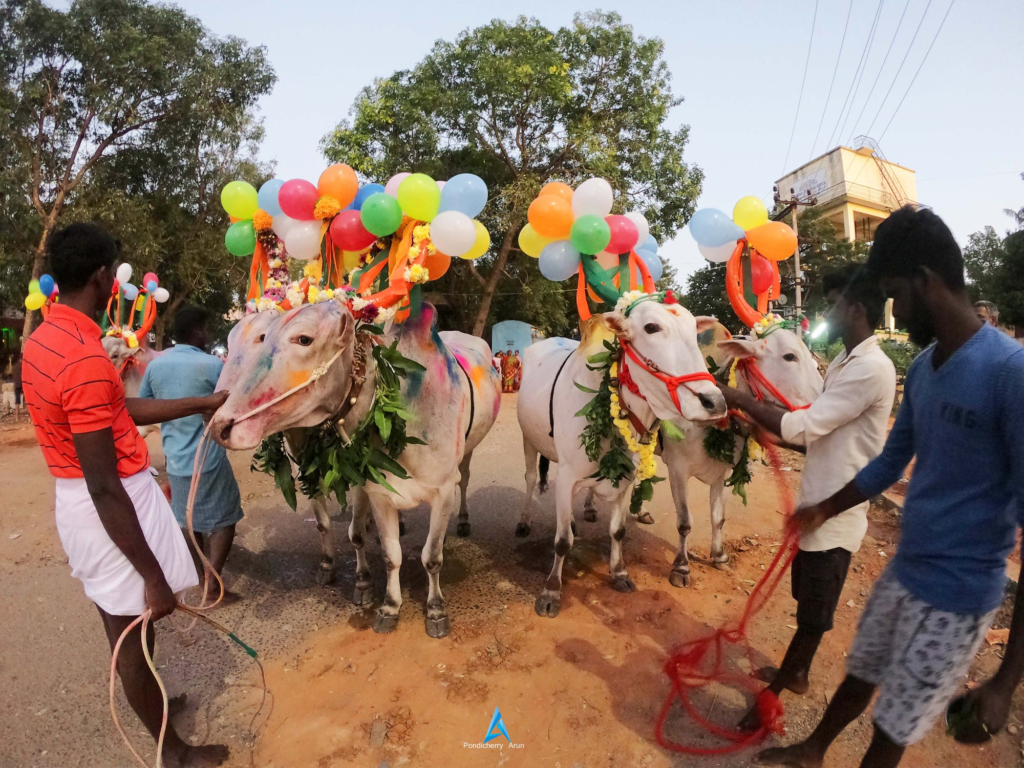
In Tamil Nadu, Makar Sankranti is celebrated as Pongal, a four-day harvest festival filled with colour, food, and family rituals. The highlight is cooking freshly harvested rice with milk and jaggery until it overflows, a sign of abundance and prosperity. Homes are decorated with kolam designs made from rice flour, welcoming positivity and good fortune. This celebration strongly connects children to farmers and food sources. It shows how respect for the land, animals, and hard work forms the foundation of everyday life.
Karnataka Celebrates Makar Sankranti as Suggi
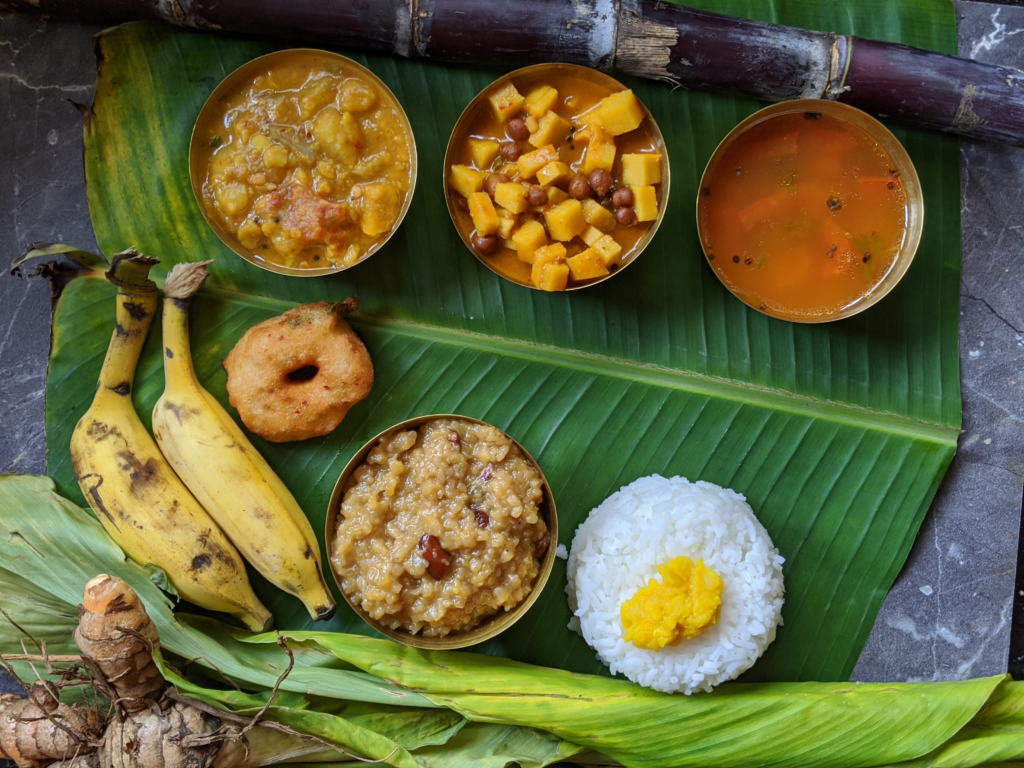
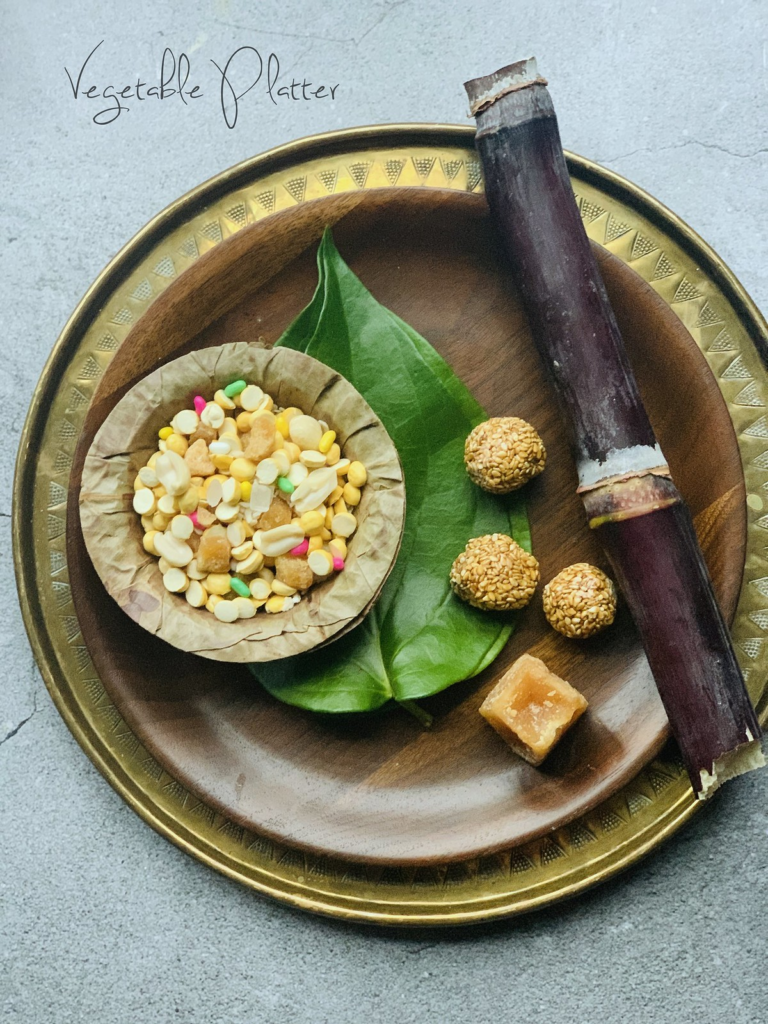
Sankranti (or Suggi) in Karnataka is a vibrant harvest festival marking the sun’s transition into Capricorn, signifying longer days and gratitude for a bountiful harvest, especially sugarcane. Key traditions include exchanging sweets like Ellu-Bella (sesame, jaggery, coconut, peanuts), decorating homes with rangolis, worshipping decorated cattle, flying kites, and feasting on seasonal delicacies, all while wishing others sweetness and good words.
Kerala‘s Makaravilakku Festival
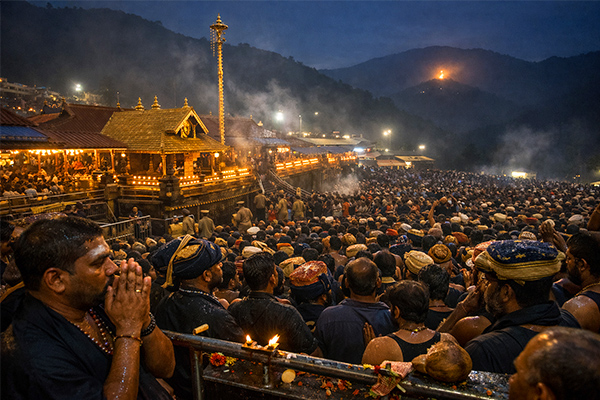
In Kerala, Makar Sankranti is primarily celebrated as the grand Makaravilakku festival at the revered Sabarimala Ayyappa temple, marking the end of the 40-day pilgrimage for devotees, featuring the auspicious sighting of the Makara Jyothi (a star/light) and rituals like Deeparadhana (lighting of lamps) and Prasadasudhi (distribution of holy food). While not known for kite flying like North India, it’s a significant spiritual observance for Lord Ayyappa’s followers, involving grand processions of sacred ornaments (Thiruvabharanam) and immense crowds.
Telangana – Makar Sankranti is Pedda Panduga
Makar Sankranti in Telangana, known as Pedda Panduga, is a vibrant, multi-day harvest festival featuring colourful kite flying, intricate muggus (rangoli), bonfires (Bhogi), devotional songs by Haridasus with decorated bulls (Gangireddu), traditional feasts (like Ariselu), and cattle worship (Kanuma), all celebrating the transition of the sun and the new harvest, with special events like kite festivals in Hyderabad.
West Bengal‘s Poush Parbon Celebrations
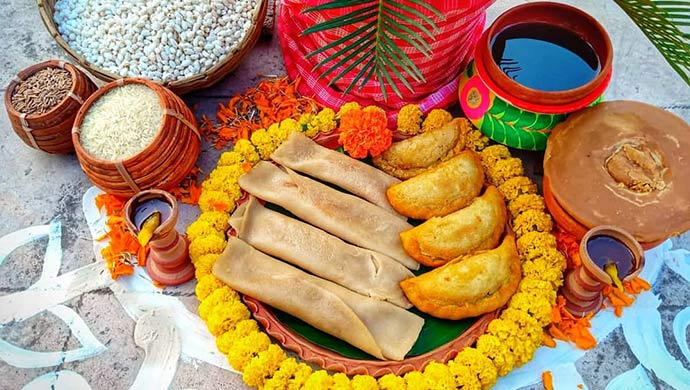
In West Bengal, Makar Sankranti is celebrated as Poush Parbon, a vibrant harvest festival focused on family, new grains, and sweet delicacies, especially traditional pithe (rice cakes) made with nolen gur (date palm jaggery). Key traditions include preparing puli, patishapta, and payesh, taking holy dips at Gangasagar, and festive gatherings with cultural events, marking gratitude for the harvest and the end of winter.
Makar Sankranti in Assam is Celebrated as Magh Bihu
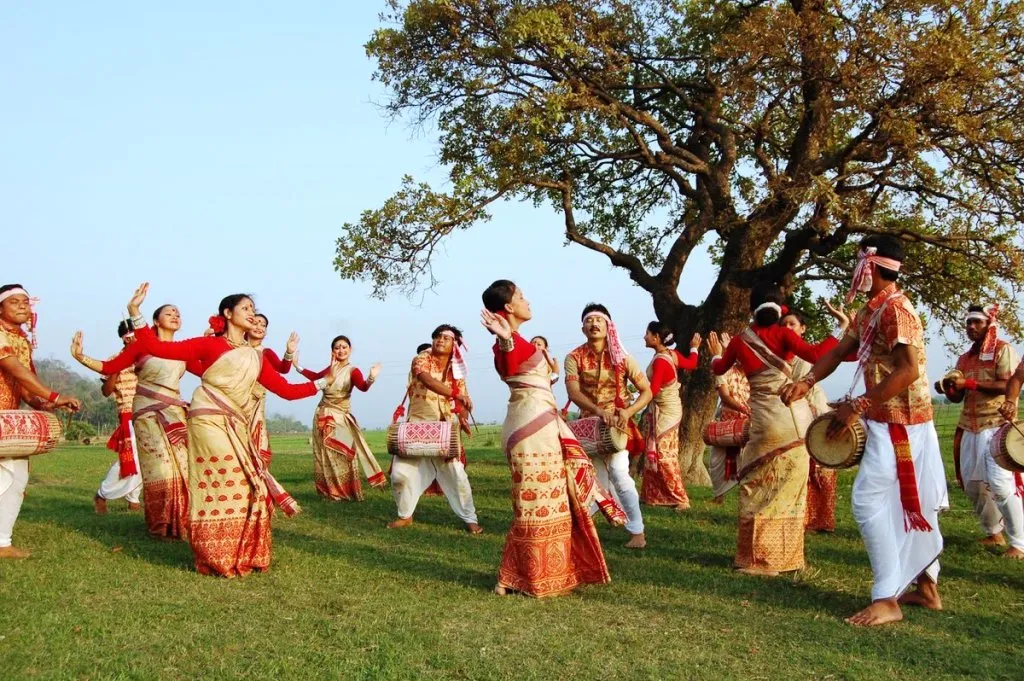
Makar Sankranti and Magh Bihu are essentially the same harvest festival celebrated in mid-January, marking the sun’s transition into Capricorn (Makar Rashi) and the end of the harvest season, with Magh Bihu being Assam’s specific name for it, emphasizing feasting (Bhogali Bihu) with bonfires, community feasts (Meji/Bhelaghar), traditional games, music, and prayers for a prosperous new agricultural cycle. Celebrations involve communal bonfires (Meji), traditional foods (Pitha), ancestor worship, and rituals to thank nature.
Subscribe to The Junior Age Newspaper – click here. Know more fun facts on The Junior Age’s YouTube!