
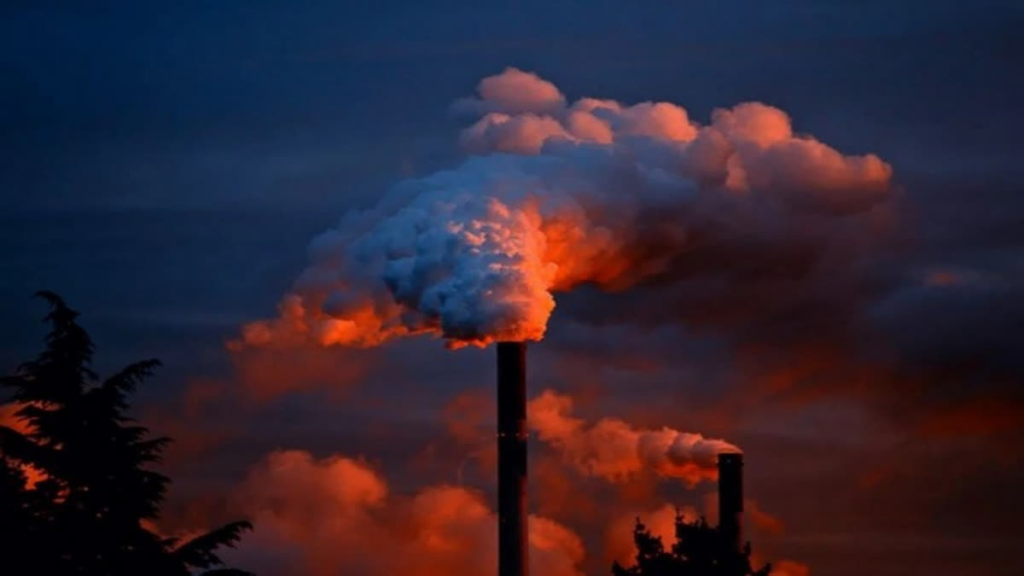
Clean air means healthy lungs, clear skies, and happier days outside. But for many places around the world, air pollution is a real struggle. According to recent global data, India has become the fifth most-polluted country on Earth. That means millions of people are breathing air that is dirtier than in almost every other nation. This isn’t just a number — it affects daily life, health, and the environment. Let’s break down what this really means and why it matters.
India Ranks 5th Among the World’s Most-Polluted Countries:
Recent measurements of air quality show that India ranks fifth among the most-polluted countries in the world. This ranking is based on levels of tiny particles in the air called PM2.5, which are so small they can enter our lungs and even bloodstream.
These particles come from many sources, including vehicles, factories, dust, burning of crops, and even smoke from fires. When these pollution levels rise, the air becomes harder to breathe, especially for children, older people, and anyone with asthma or breathing issues.
Why is this happening?
Several factors contribute to India’s high pollution levels:
- Rapid growth of cities and vehicles
- Heavy use of fossil fuels like petrol and diesel
- Industrial emissions
- Seasonal crop burning in some farming regions
- Construction dust and road traffic
When these mix with weather patterns and temperature changes, pollution can spike, especially in winter months.
How does it affect people?
Breathing polluted air can cause:
- Coughs and throat irritation
- Asthma attacks and breathing problems
- Headaches and tiredness
- Long-term risks to heart and lung health
For children and older adults, the risks are even higher because their lungs are still developing or more fragile.
What can be done?
Experts say tackling air pollution requires teamwork:
- Switching to cleaner energy sources
- Using public transport, cycling, or walking more
- Planting trees and protecting green spaces
- Reducing burning of crops and waste
- Cleaner industry rules and innovations
Every small step, like wearing masks on high pollution days or supporting clean energy, helps protect our health.