
Plastic pollution is one of the world’s fastest growing environmental problems. Millions of tonnes of plastic waste end up in landfills, rivers and oceans every year. Scientists around the world are searching for smarter ways to recycle plastic and turn it into something useful instead of letting it harm the planet. A new scientific breakthrough now suggests that sunlight could help transform plastic waste into a valuable chemical used in everyday life.
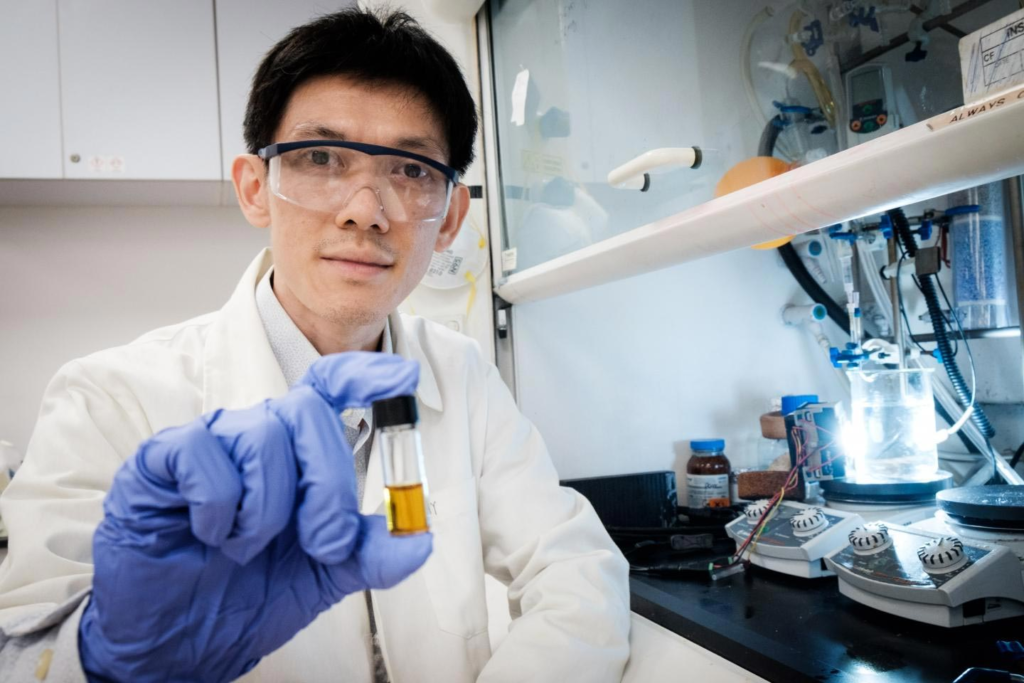
Researchers at the University of Waterloo in Canada, led by Professor Yimin Wu, have discovered a method that uses sunlight to convert plastic waste into acetic acid, the main ingredient found in vinegar.
How sunlight can turn plastic into useful chemicals
In the new process, sunlight powers a chemical reaction that breaks plastic materials into smaller molecules. A special catalyst helps trigger this reaction, allowing plastics to be transformed into acetic acid without the need for extremely high temperatures or harmful industrial chemicals.
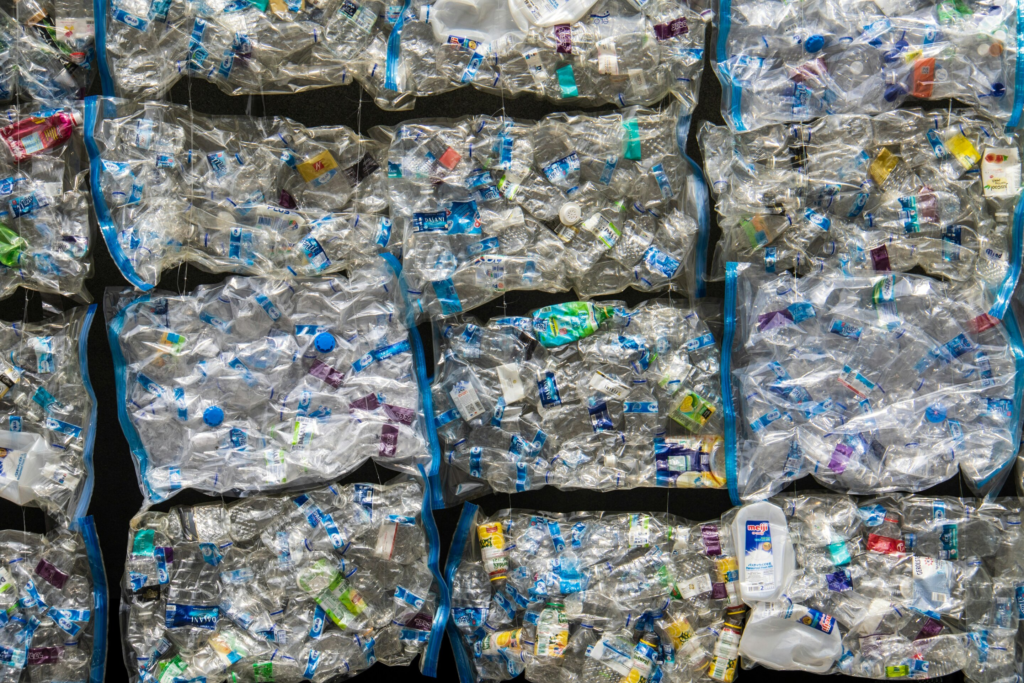
The scientists tested the method on several widely used plastics, including polyethylene, polypropylene, polyvinyl chloride (PVC), and polyethylene terephthalate (PET). These materials are commonly found in everyday items such as plastic bottles, food packaging, and shopping bags.
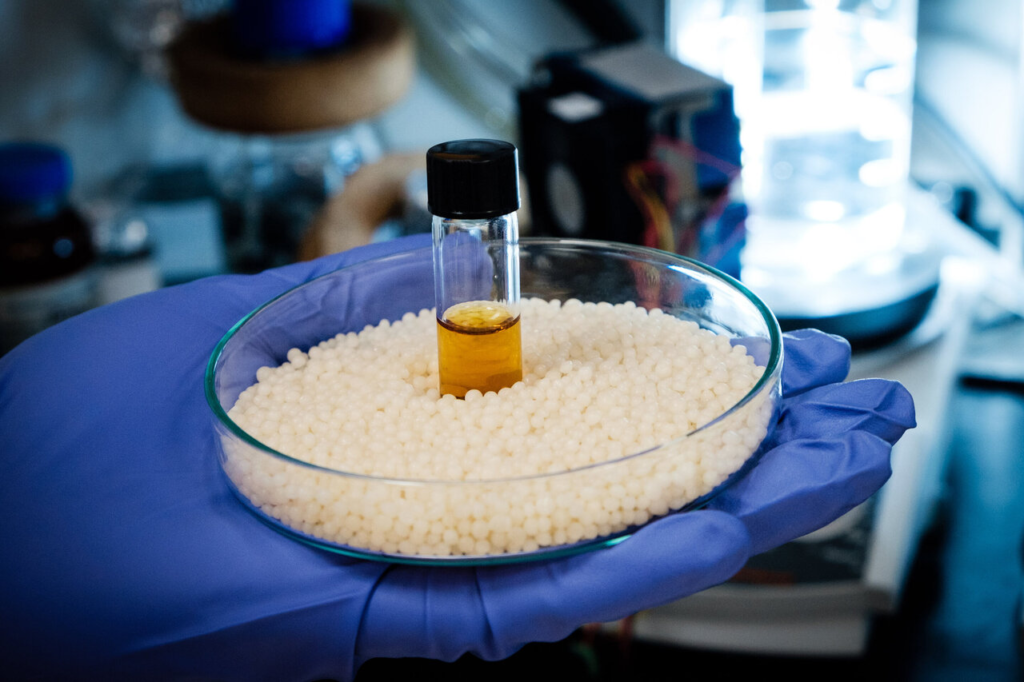
During the experiment, sunlight activated the catalyst, which then helped break the plastics down and convert it into acetic acid. This chemical is widely used in food production, household vinegar, and many industrial processes.
Researchers say the discovery could offer a new way to reduce plastic pollution while producing useful chemicals at the same time. However, the technology is still at an early research stage. Scientists will need to conduct more studies before the method can be scaled up for large industrial use.
Fun Fact: The word “plastic” comes from a Greek word meaning “able to be shaped”.
Subscribe to The Junior Age Newspaper – click here. Know more fun facts on The Junior Age’s YouTube!