
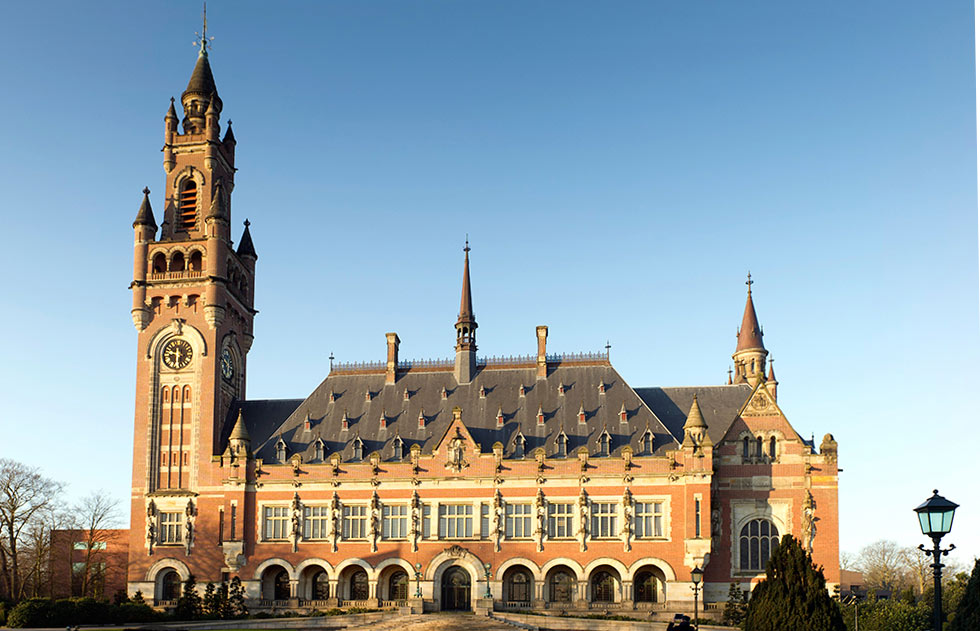
Climate change is no longer just a science problem. It is now a legal and human rights issue too. In a powerful move, the International Court of Justice (ICJ) has clearly stated that countries have a duty to protect people and the planet from the growing dangers of climate change. This decision marks a historic moment, showing that the fight against global warming has entered the world’s highest court.
What did the ICJ decide?
The International Court of Justice, the United Nations’ highest court, ruled that countries have a legal obligation to protect people from the urgent and existential threat of the climate crisis. The court said that nations that fail to take proper action to reduce global warming could be held responsible and may even be required to pay reparations for the damage caused by their actions.
How did this case begin?
The idea for this historic court action came from a group of law students from South Pacific island nations. These islands are among the worst affected by rising sea levels and climate disasters.
They were strongly supported by Vanuatu, a small island nation facing serious threats from climate change. After years of effort, the group convinced the UN General Assembly to ask the ICJ for its opinion on two major climate-related legal questions.
What happened in court?
In December 2024, the ICJ held two weeks of hearings, where over 100 governments and organisations shared their views. On July 23, 2025, ICJ President Judge Yuji Iwasawa read out the unanimous advisory opinion of all 15 judges.
What did the judges say?
The court affirmed that the right to a clean, healthy, and sustainable environment is a human right. This right is essential for enjoying many other rights, such as health, life, and safety.
Judge Iwasawa warned that climate change threatens all forms of life on Earth. The court stated that failing to act on climate change is a wrongful act under international law. Countries that cause harm through inaction could be forced to pay for damage suffered by other nations.
Is this ruling legally binding?
The ICJ’s opinion is not a law, and countries are not legally forced to follow it. However, it carries huge moral and legal weight. It strengthens the hands of countries, communities, and groups that want to use courts to push governments into taking stronger climate action.