
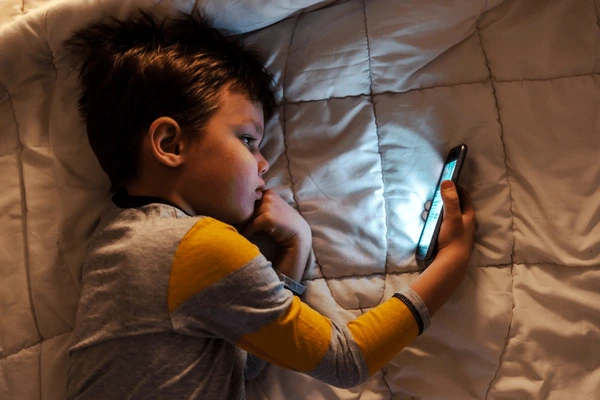
Growing up today means living in a world full of screens. From homework videos to short reels and games, children switch between tabs faster than ever before. While technology helps us learn and connect, experts are now asking an important question about social media and children’s attention. How does constant scrolling shape the way young brains focus, learn, and stay calm in school and daily life? This growing concern has pushed scientists to take a closer look at screen habits and their link to attention and ADHD. The Junior Age has everything you need to know!
Study Warns: Heavy Screen & Too Much Social Media May Harm Kids & Their Young Brains
Social media is a big part of growing up today. From short videos to endless scrolling, screens are everywhere. However, scientists are now raising concerns about how heavy social media use may affect children’s ability to focus and pay attention. A study from the United States tracked the screen habits of 8,300 children over time.
Researchers found that children who spent more time on social media found it harder to:
- Pay attention
- Sit still
- Finish tasks
The constant scrolling and fast content trained their brain to expect constant excitement, and it became harder for their brains to slow down. Neuroscientist Torkel Klingberg from the Karolinska Institute explains that fast and frequent digital content can overload the brain, and focus is impacted.

Lack of focus due to mobile overuse is not just about school; it affects:
- Learning
- Friendships
- Emotional control
- Confidence
It can also make everyday activities like reading, listening in class, or completing homework feel harder.
The study also suggests that heavy social media use may contribute to the rise in ADHD diagnoses. Experts are careful to clarify that social media does not cause ADHD. However, it may make symptoms stronger in children who are already vulnerable.

How to protect young brains:
- Regular screen breaks
- Reading time
- Outdoor play
- Quiet moments and boredom
Fun fact: Boredom is actually good for the brain. When kids are bored, the brain switches on imagination, problem-solving, and deep thinking. That’s when creativity quietly grows.
Brains need quiet to grow.
Did you know? A child’s brain is still learning how to control attention until the early twenties, which means constant fast-moving screen content can interrupt how focus skills naturally develop.
Subscribe to The Junior Age Newspaper – click here. Know more fun facts on The Junior Age’s YouTube!