
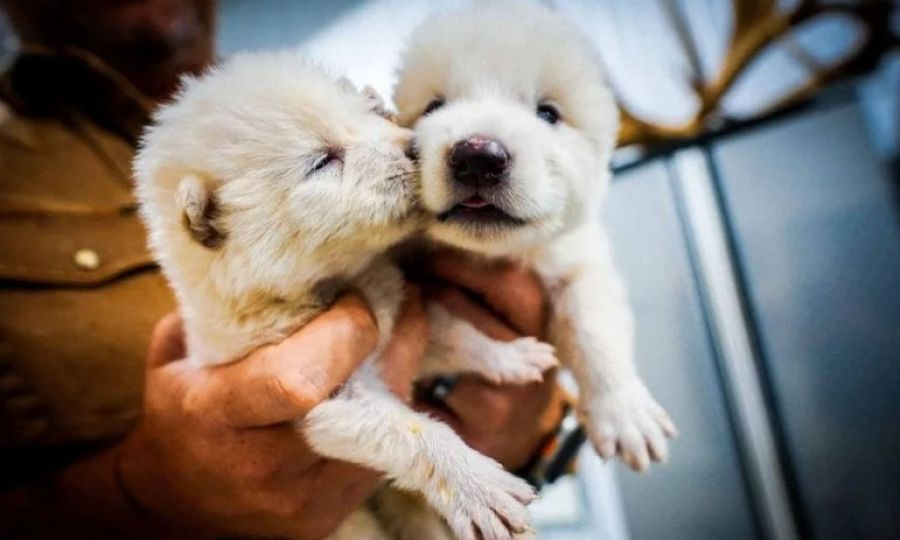
For thousands of years, dire wolves lived only in fossils, cave paintings, and stories of the distant past. These powerful predators vanished from Earth nearly 12,500 years ago, long before humans recorded history. Now, in a moment that feels straight out of science fiction, dire wolves have returned. Scientists say this breakthrough could change how we think about extinction, conservation, and the future of wildlife.
Dire Wolves Return After 12,000 Years: Science Brings an Extinct Predator Back to Life
Scientists have brought back the dire wolf, a species that went extinct nearly 12,500 years ago. A Texas-based biotech company called Colossal Biosciences has successfully bred three dire wolf pups, marking what the company calls the world’s first successful de-extinction.
Meet the dire wolf pups
The three pups are named Romulus, Remus, and their two-month-old sister Khaleesi. Though still very young, Romulus and Remus are already impressive in size. At just six months old, they measure nearly four feet in length and weigh over 36 kilograms.
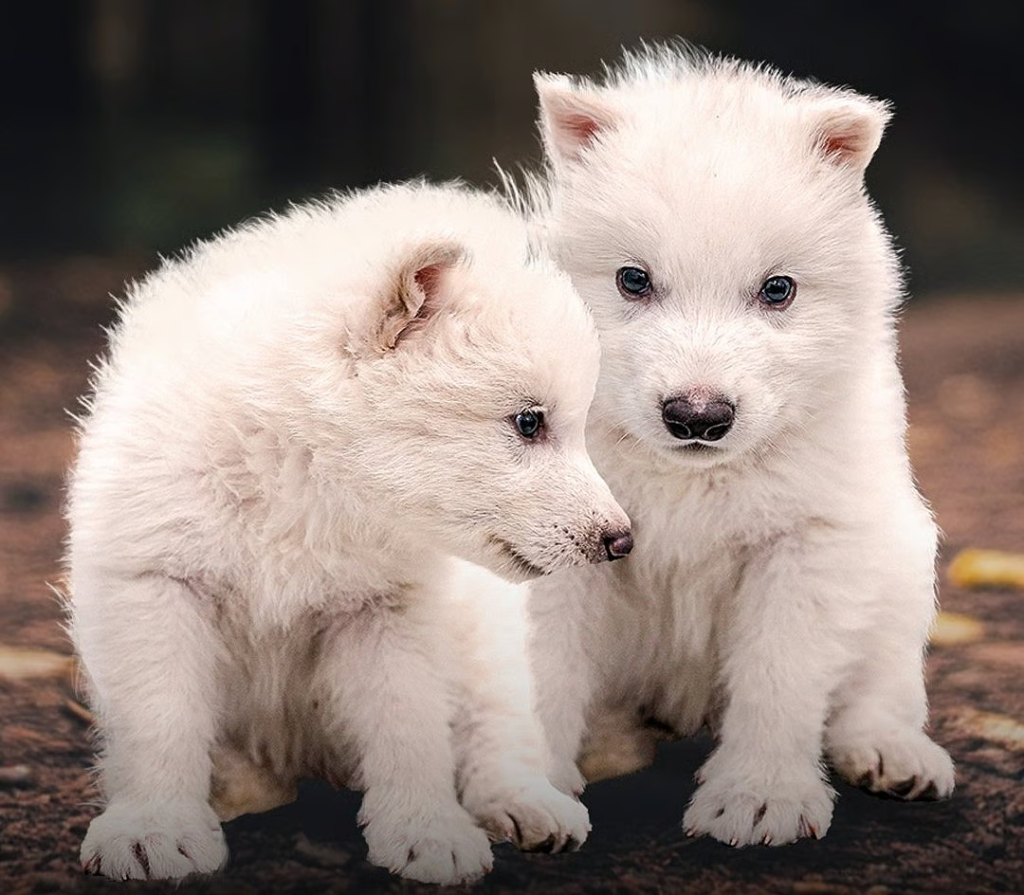
Colossal scientists used DNA recovered from ancient dire wolf remains. Using advanced cloning and gene-editing technology, they altered the genes of a grey wolf, the dire wolf’s closest living relative. This careful process allowed scientists to recreate key traits of the prehistoric animal. The pups live in a secured facility with fences, security systems, and drones to monitor them. Their environment is closely controlled to ensure their safety and allow scientists to study their growth and behaviour.
Did you know? A long time ago, dire wolves were a top predator that lived in a huge area that stretched from Venezuela in the south all the way up to Canada in the north. However, they haven’t been seen for over 10,000 years since they became extinct. Many of their remains have been found throughout the Americas.
Subscribe to The Junior Age Newspaper – click here. Know more fun facts on The Junior Age’s YouTube!