

The night sky is full of mysteries. Some people spend their lives trying to understand them. In 2025, one such scientist received one of astronomy’s highest honours. Indian-origin astronomer Shrinivas Kulkarni wins the UK’s Royal Astronomical Society gold medal, a moment that celebrates decades of discovery, curiosity, and global scientific leadership. This award is not given lightly. It recognises scientists whose work has changed how we understand the universe. For parents, it is a story of patience and passion turning into world-class achievement. For children, it shows that asking big questions about stars, explosions, and galaxies can lead to extraordinary journeys.
Indian-origin astronomer Shrinivas Kulkarni wins Royal Astronomical Society gold medal:
In 2025, Shrinivas Kulkarni was awarded the prestigious gold medal by the Royal Astronomical Society. The gold medal is the society’s highest honour and has previously been awarded to legendary scientists such as Albert Einstein. Shrinivas Kulkarni is widely known for his pioneering work in studying explosive events in space, including supernovae, neutron stars, and cosmic bursts that release enormous amounts of energy. His research helped astronomers understand how stars are born, how they die, and how these events shape galaxies. Based in the United States, Kulkarni has led major international astronomy projects and played a key role in building systems that detect sudden changes in the night sky, allowing scientists to observe cosmic events as they happen.
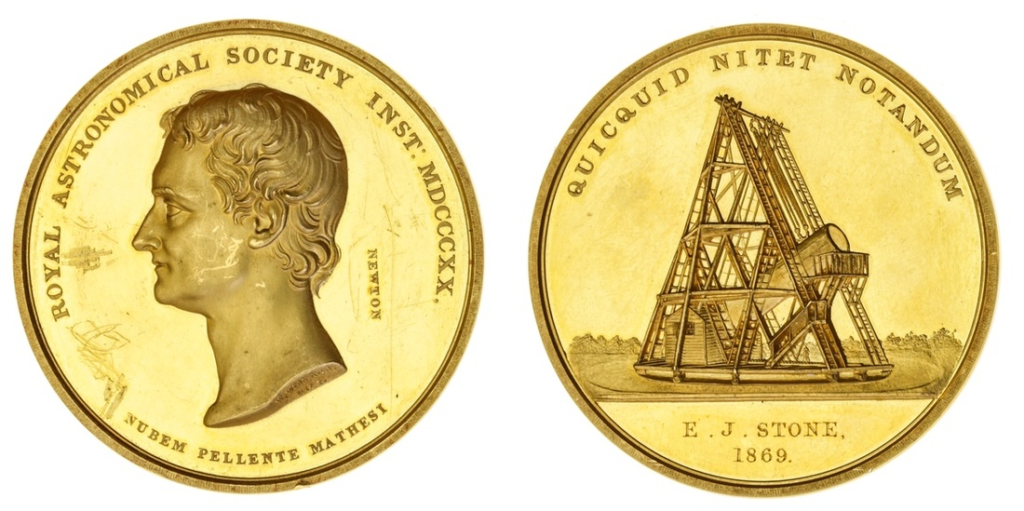
About Shrinivas Kulkarni and why this award matters
Shrinivas Kulkarni’s work goes beyond research papers and telescopes. He has helped create new ways of studying the universe, combining technology, data science, and teamwork across countries. His leadership in time-domain astronomy has transformed how scientists track fast and distant events in space. The Royal Astronomical Society gold medal recognises not just scientific brilliance, but long-term impact. It highlights how Kulkarni’s discoveries have influenced generations of astronomers and expanded human understanding of the universe.
Subscribe to The Junior Age Newspaper – click here. Know more fun facts on The Junior Age’s YouTube!