
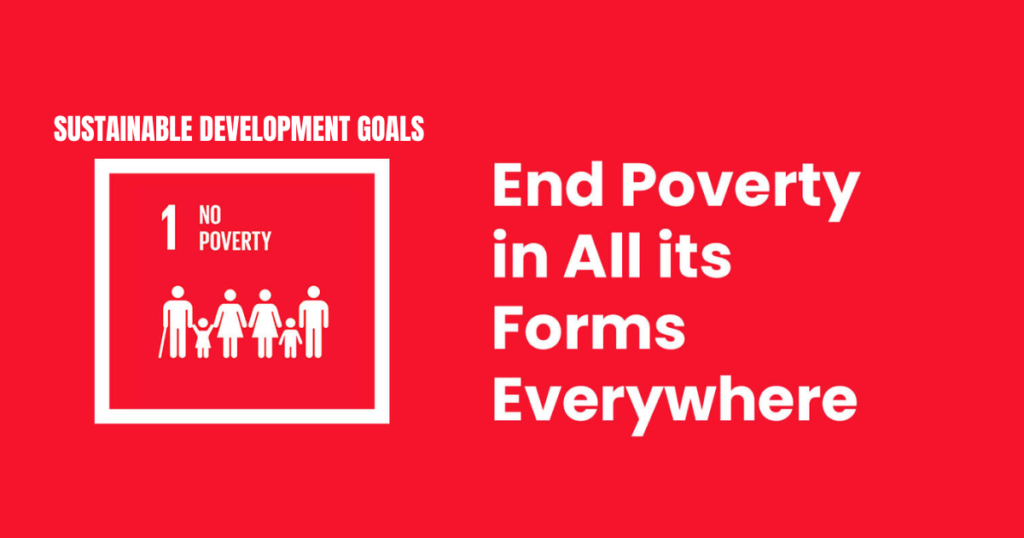
Not every child around the world grows up with enough food, clean water, a safe home, or a chance to go to school. While some children worry about homework or exams, others worry about getting their next meal. Millions of families across the world still struggle to afford basic needs that many people often take for granted. Poverty is one of the biggest global challenges today because it affects health, education, safety, and future opportunities. To help solve problems like poverty, hunger, climate change, and inequality, the United Nations created a global plan called the Sustainable Development Goals, also known as the SDGs. Lets learn about SDG goal 1.
What are the Sustainable Development Goals?
The Sustainable Development Goals are 17 global goals adopted by all United Nations member countries in 2015. These goals aim to make the world fairer, safer, healthier, and more sustainable by the year 2030. The 17 goals focus on important world issues such as:
- Poverty
- Hunger
- Education
- Clean water
- Climate change
- Gender equality
- Peace and justice
Each goal focuses on solving a different global problem. The very first goal, SDG 1, focuses on ending poverty everywhere.
Read more about 17 Sustainable Development Goals Explained: How The World Plans A Better Future By 2030
Sustainable Development Goals – Goal 1: No Poverty
The Goal 1 is No Poverty. It aims to end poverty in all its forms everywhere by the year 2030. It focuses on helping people meet their basic needs and improving quality of life. Poverty is not only about money. It can also mean:
- Not having enough food to eat
- Living without safe housing
- Lack of healthcare or medicines
- No access to education
- Unsafe living conditions
- Unemployment or low wages
The goal was introduced by the United Nations as part of the 17 Sustainable Development Goals.
Why is poverty a global problem?
According to the World Bank, hundreds of millions of people still live in extreme poverty. Many survive on very little money each day and struggle to access necessities like food, clean water, and healthcare.
Poverty can increase because of:
- Wars and conflicts
- Natural disasters
- Climate change
- Lack of jobs
- Rising prices
- Poor access to education
- Health emergencies such as pandemics
Children living in poverty may face hunger, miss school, or work at a young age to support their families.
The 7 main targets of SDG 1
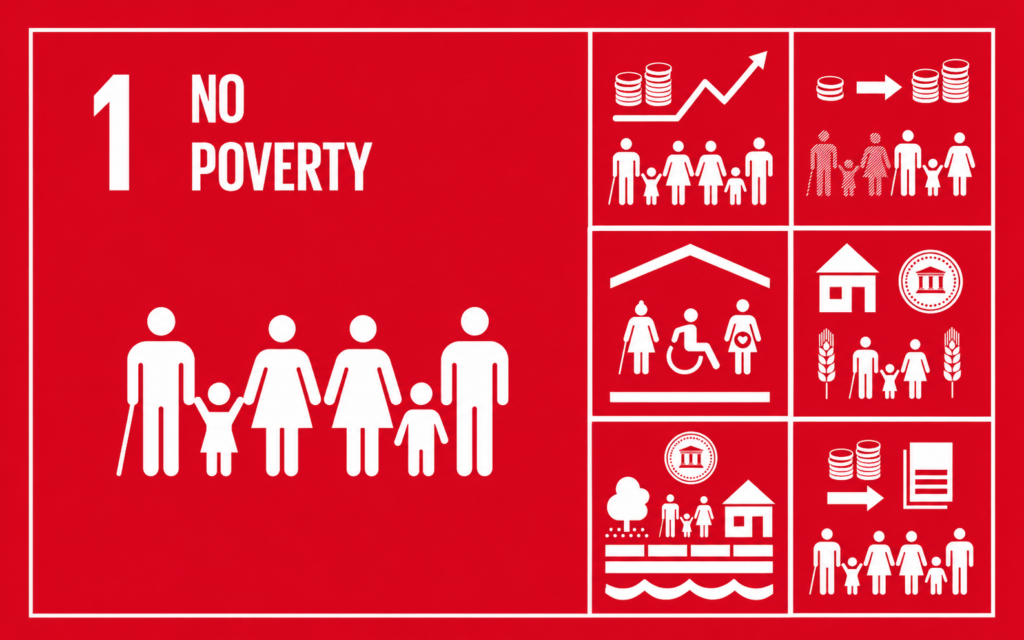
To achieve SDG 1 by 2030, the United Nations created several important targets. These targets act like a roadmap to help countries reduce poverty and improve people’s lives around the world.
Also, read about – India Announces Major Climate Goals for 2035
1. End extreme poverty everywhere
The biggest aim of SDG 1 is to end extreme poverty for all people everywhere by 2030. This means ensuring that every person can afford basic needs such as food, clothing, shelter, and clean water.
2. Reduce poverty in all forms
Different countries measure poverty differently. This target encourages governments to reduce the number of people living in poverty according to their own national standards and living conditions.
3. Provide social protection for vulnerable people
Many families need support during difficult times such as illness, unemployment, disasters, or old age. This target focuses on creating social protection systems like food aid, pensions, healthcare support, and financial assistance for vulnerable communities.
4. Ensure equal access to resources and opportunities
Poor families often struggle to access land, jobs, banks, technology, or financial services. SDG 1 encourages equal access to economic resources and opportunities so people can improve their lives and become financially stable.
5. Protect poor communities from disasters
Poor communities are often affected the most during floods, droughts, earthquakes, and climate-related disasters because they may not have strong homes, savings, or emergency support. This target focuses on improving safety and disaster protection systems.
6. Increase global support for poorer countries
Developed countries and international organisations are encouraged to provide financial and technical support to poorer nations. This can help countries build schools, hospitals, transport systems, and poverty reduction programmes.
7. Create stronger policies to end poverty
Governments are encouraged to create long-term plans and policies that focus on helping people escape poverty permanently. These plans may include improving education, creating jobs, supporting rural communities, and strengthening healthcare systems.
How are countries trying to reduce poverty?
Many countries are working on:
- Creating jobs and skill programmes
- Improving schools and healthcare
- Providing free meals and support schemes
- Building affordable housing
- Supporting farmers and rural communities
- Expanding digital and banking access
International groups like the United Nations Children’s Fund and the World Food Programme also help communities facing poverty and hunger.
What can children do to help?
Children can also play a role by:
- Learning about global issues
- Donating books, clothes, or supplies
- Supporting community drives
- Avoiding food waste
- Spreading awareness
- Respecting and helping people from all backgrounds
Small actions can inspire bigger changes.
Frequently asked questions about SDG Goal 1
1. What does SDG stand for?
SDG stands for Sustainable Development Goals. These are 17 global goals created by the United Nations to make the world fairer, safer, and more sustainable by 2030.
2. When were the Sustainable Development Goals launched?
The Sustainable Development Goals were officially adopted in 2015 by all United Nations member countries.
3. What does poverty mean?
Poverty means not having enough money or resources for basic needs such as food, clean water, healthcare, housing, and education.
4. Why is ending poverty important?
Ending poverty can improve education, health, safety, equality, and opportunities for millions of people around the world.
5. Why does SDG 1 matter to children?
Children living in poverty may face hunger, poor healthcare, unsafe housing, and difficulty accessing education. SDG 1 aims to improve their quality of life and future opportunities.
6. What are the main causes of poverty?
Some major causes of poverty include unemployment, low wages, conflicts, climate disasters, poor healthcare systems, and limited access to education.
7. How are countries trying to reduce poverty?
Countries are creating jobs, improving healthcare and education, supporting vulnerable families, and building stronger social protection systems.
8. Can children help support SDG 1?
Yes. Children can help by learning about global issues, avoiding waste, supporting donation drives, and treating others with kindness and respect.
Read about – UNICEF Report: Millions of children Displaced Due To Climate Change
Subscribe to The Junior Age Newspaper – click here. Know more fun facts on The Junior Age’s YouTube!