
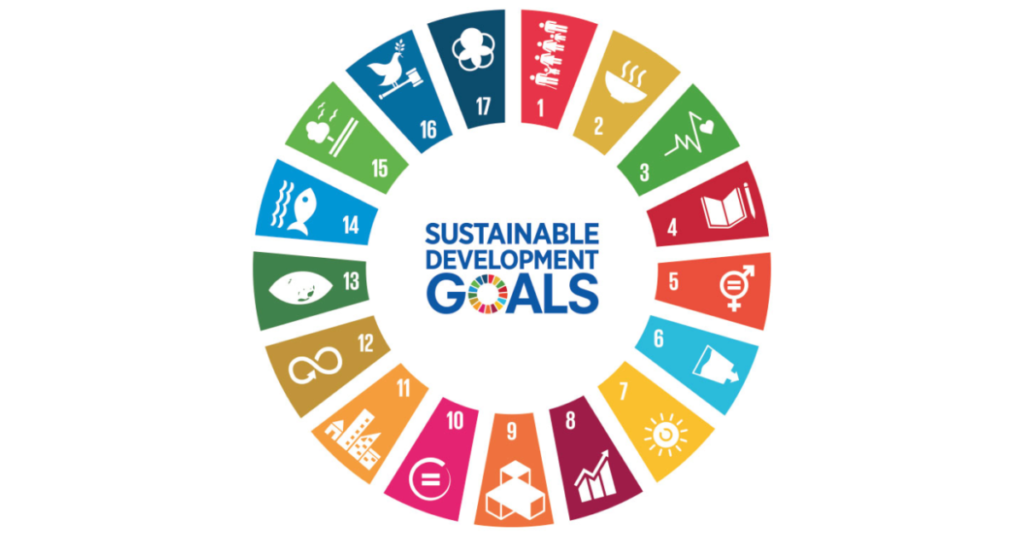
The world is facing many serious challenges today. Climate change is causing extreme weather, millions of people still struggle with poverty and hunger, forests and oceans are under threat, and many children around the world do not have equal access to education or healthcare. As these global problems continue to grow, countries have realised that working alone is not enough. The world needed one shared plan to protect people, improve lives, and care for the planet at the same time. This is where the Sustainable Development Goals, also known as the SDGs, come in. The SDGs are 17 global goals created to build a safer, fairer, healthier, and more sustainable future for everyone by the year 2030. But what exactly are these goals, who created them, and why do they matter so much today? Let’s break down the 17 Sustainable Development Goals and understand how they aim to change the world for the better:
What is sustainable development?
Sustainable development means improving life for people today while also protecting natural resources and the environment for future generations. It balances three important areas:
- Society
- Economy
- Environment
Who created the Sustainable Development Goals?
The Sustainable Development Goals were adopted by all 193 member states of the United Nations on September 25, 2015, during a meeting at the UN Headquarters in New York City.
The SDGs replaced an earlier set of global targets called the Millennium Development Goals, or MDGs, which were active from 2000 to 2015. The new goals expanded the focus beyond poverty and health to include climate action, clean energy, sustainable cities, responsible consumption, and protecting nature.
Why were the SDGs created?
The world faces many serious challenges. Millions of people still live in poverty, many children do not receive quality education, and pollution and climate change continue to damage the environment. The SDGs were created to help countries work together to solve these problems in a balanced and long-term way. The goals aim to:
- End poverty and hunger
- Protect nature and the climate
- Improve education and healthcare
- Promote equality and peace
- Build sustainable communities and economies
The goals are based on the idea of sustainable development, which means meeting today’s needs without harming the ability of future generations to meet their own needs.
Did you know – India was in Top 10 Climate Performers?
How do the Sustainable Development Goals work?
Each of the 17 Sustainable Development Goals has smaller action plans called targets. Altogether, the SDGs include 169 smaller targets that help countries understand what they need to improve. For example, one target focuses on giving children equal access to education, while another focuses on protecting clean water sources and reducing pollution. These smaller targets support the bigger mission of creating a safer, healthier, and more sustainable world.
Now, let’s break down the 17 Sustainable Development Goals and understand what each one means.
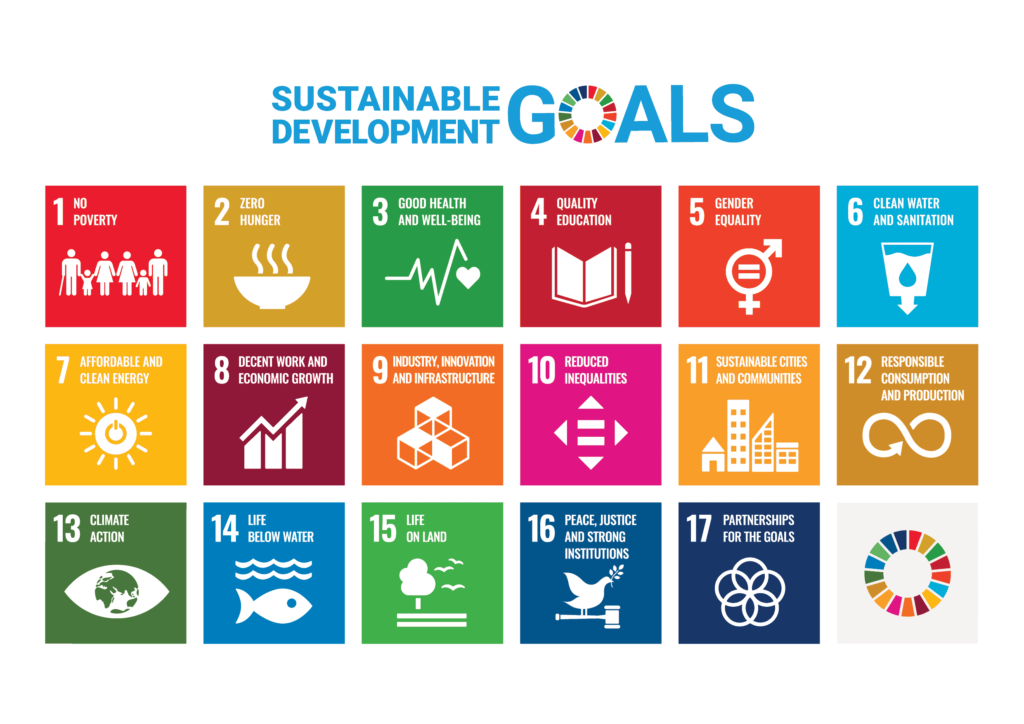
Fun fact: The colourful SDG wheel symbol contains all 17 goals in one circle. Each goal has its own colour and icon so people around the world can recognise them easily.
Read about – UNICEF Report: Millions of children Displaced Due To Climate Change
The 17 Sustainable Development Goals explained
1. No poverty
This goal aims to end poverty everywhere by helping people access food, housing, jobs, healthcare, and social protection.
2. Zero hunger
The goal focuses on ending hunger and ensuring everyone has enough nutritious food while improving farming and food systems.
3. Good health and well-being
This goal promotes healthy lives through better healthcare, vaccines, hospitals, mental health support, and disease prevention.
4. Quality education
The aim is to provide inclusive and quality education for all children and adults.
5. Gender equality
This goal supports equal rights and opportunities for girls and women in education, leadership, work, and society.
6. Clean water and sanitation
Millions of people still lack access to safe drinking water and proper toilets. This goal works to improve water and sanitation worldwide.
7. Affordable and clean energy
The SDGs encourage cleaner energy sources such as solar and wind power instead of polluting fossil fuels.
8. Decent work and economic growth
This goal promotes safe jobs, fair wages, and economic growth that benefits people fairly.
9. Industry, innovation and infrastructure
The focus is on building strong infrastructure, improving industries, and encouraging innovation and technology.
10. Reduced inequalities
This goal works to reduce inequality between people and countries by promoting fairness and equal opportunities.
11. Sustainable cities and communities
Cities should be safe, clean, and environmentally friendly. This goal supports better housing, transport systems, and green spaces.
12. Responsible consumption and production
The world uses huge amounts of natural resources every day. This goal encourages recycling, reducing waste, and sustainable production.
13. Climate action
Climate change affects weather, oceans, forests, wildlife, and human lives. This goal urges countries to take action against global warming.
14. Life below water
This goal protects oceans, seas, coral reefs, and marine life from pollution, plastic waste, and overfishing.
15. Life on land
The focus is on protecting forests, wildlife, biodiversity, and natural habitats on land.
16. Peace, justice and strong institutions
Peaceful societies need fairness, justice, human rights, and trustworthy institutions.
17. Partnerships for the goals
The final goal encourages countries, organisations, businesses, scientists, and communities to work together to achieve all the SDGs.
How are countries working on the SDGs?
Many governments, schools, companies, charities, and young people are taking part in SDG-related projects. Countries publish progress reports, while organisations run campaigns about climate action, education, clean energy, and equality. Schools around the world are also teaching children about the SDGs so future generations can help create solutions.
Why is it important to learn about the Sustainable Development Goals?
Children are future leaders, scientists, teachers, inventors, and decision-makers. Learning about the SDGs helps young people understand global challenges and think creatively about solving them. Even small actions can support the goals:
- Saving water and electricity
- Recycling waste
- Planting trees
- Helping communities
- Speaking up for fairness and equality
FAQs about Sustainable Development Goals
Which SDG is most connected to climate change?
Goal 13, Climate action, mainly focuses on fighting climate change. However, climate change also affects food, water, health, oceans, and wildlife, so many SDGs are connected to it.
Can children help achieve the SDGs?
Yes. Children can help by saving water and electricity, recycling, planting trees, reducing waste, helping communities, and learning more about global problems.
What do the colours of the SDGs mean?
Each SDG has a different colour and symbol to represent its focus area, such as health, education, clean energy, or protecting nature.
Are the SDGs legally binding?
No. Countries are not legally forced to complete them, but they have promised to work towards achieving them by 2030.
What happens if the SDGs are not achieved by 2030?
Many global challenges such as poverty, hunger, pollution, and climate problems could continue or become worse, affecting millions of people and nature worldwide.
How do scientists help the SDGs?
Scientists create new ideas and technologies for clean energy, medicine, farming, water conservation, and climate research that support the SDGs.
Why is Goal 17 important?
Goal 17 focuses on partnerships because countries and organisations must work together to solve global problems successfully.
Are the SDGs only for governments?
No. Schools, businesses, charities, communities, and ordinary people also play a major role in supporting the goals.
Which Sustainable Development Goals focus on protecting nature?
Goals 13, 14, and 15 mainly focus on protecting the climate, oceans, forests, wildlife, and ecosystems.
Also, read about – India Announces Major Climate Goals for 2035
Subscribe to The Junior Age Newspaper – click here. Know more fun facts on The Junior Age’s YouTube!