

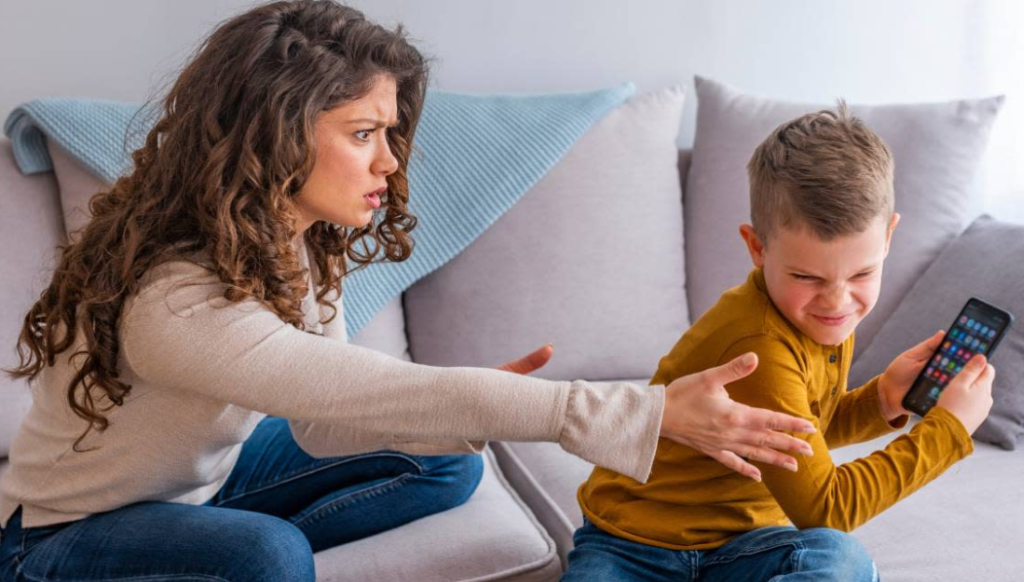
Screens are everywhere. Phones, tablets, televisions, gaming consoles, and laptops have quietly become part of everyday childhood. While technology can help children learn and explore, too much screen exposure often leads to problems such as poor sleep, reduced physical activity, shorter attention spans, and less family interaction. Many parents today are asking the same question: how do we reduce screen time for kids without constant arguments? The answer is not about banning devices completely. Instead, it is about building healthier habits, creating interesting alternatives, and guiding children towards a balanced digital life. If approached thoughtfully, families can reduce screen time for kids while still allowing technology to remain a useful learning tool rather than the centre of daily life.
Smart ways to reduce screen time for kids:
1. Create clear screen time rules at home
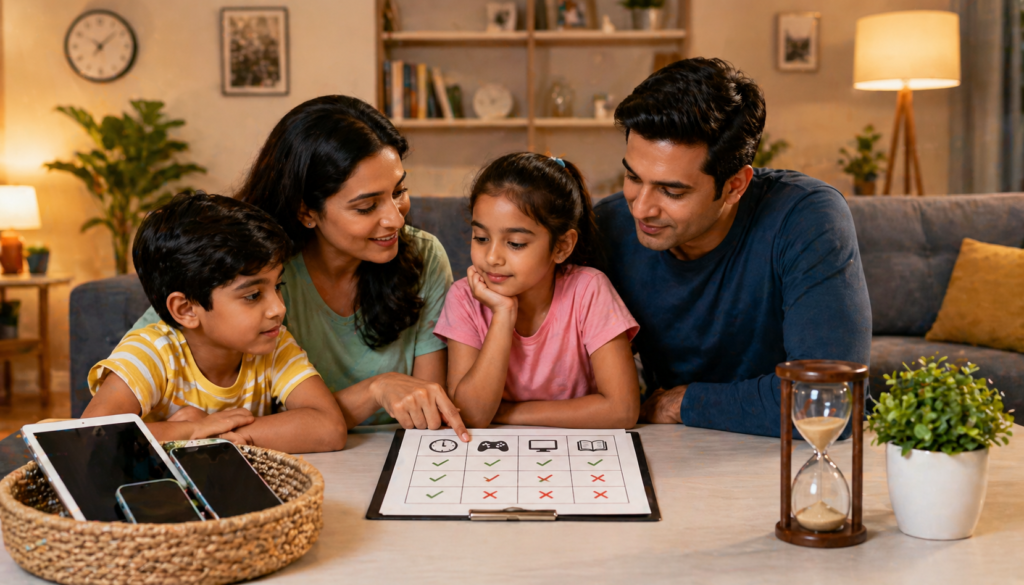
Children respond better when expectations are clear and consistent.
– Set daily screen limits
Establish simple time limits depending on age.
- Younger children: about 1 hour of recreational screen time
- School-age children: 1–2 hours outside of school work
- Teenagers: balanced use with breaks and responsibilities
Consistency helps children understand that screen time is a privilege, not an unlimited activity.
– Create device-free zones
Certain places should remain screen-free to encourage conversation and rest. Examples include:
- The dining table
- Bedrooms before bedtime
- Family gatherings or outings
- Study time or homework hours
These zones help children disconnect and focus on real-world experiences.
Read all about – Fun and Easy Screen-Free Weekend Activities for Kids
2. Replace screen time for kids with exciting alternatives

Simply removing screens often leads to boredom. The key is to replace screen time with activities children enjoy:
– Encourage outdoor play
Outdoor activities naturally reduce screen use. Ideas include:
- Cycling or skating
- Playing football or cricket
- Nature walks or park visits
- Simple backyard games
Physical play boosts both health and mood.
– Introduce creative hobbies
Creative activities capture attention in ways screens cannot. Children may enjoy:
- Drawing or painting
- Building models or LEGO projects
- Craft activities
- Writing stories or comics
Hands-on hobbies stimulate imagination.
– Promote reading time
Books are one of the best alternatives to screens.
Try these strategies:
- Create a cosy reading corner at home
- Let children choose their own books
- Read together before bedtime
- Visit libraries or bookshops during holidays
Reading strengthens language skills and creativity.
3. Model healthy screen habits as parents
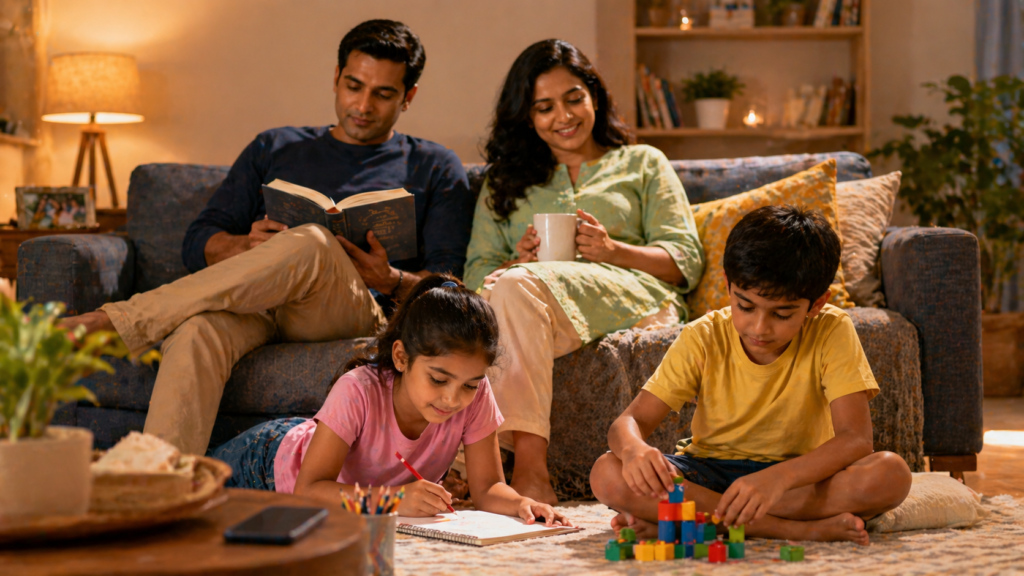
Children observe adults closely. If parents are constantly on phones, children are likely to copy the same behaviour. Parents can help reduce screen time for kids by:
- Keeping phones away during family meals
- Limiting social media use around children
- Engaging in conversations and shared activities
- Setting personal screen limits
Healthy habits work best when the entire family follows them.
4. Use technology wisely instead of banning it
Not all screen time is harmful. Educational and creative digital content can still play a useful role. Parents can guide children towards:
- Educational learning platforms
- Coding or creativity apps
- Interactive storytelling apps
- Educational documentaries or science videos
The goal is quality screen time instead of endless passive scrolling. Also, read about – 8 Powerful Online Courses For Kids To Explore During Summer Holidays
5. Create a family routine that balances screens
Children thrive on routines. A balanced daily schedule can naturally reduce screen use. A simple routine may include:
- School and homework time
- Outdoor play or sports
- Reading or hobby time
- Family conversations or meals
- Limited digital entertainment
When screens are just one small part of the day, they lose their power to dominate attention.
6. Encourage social play and family activities
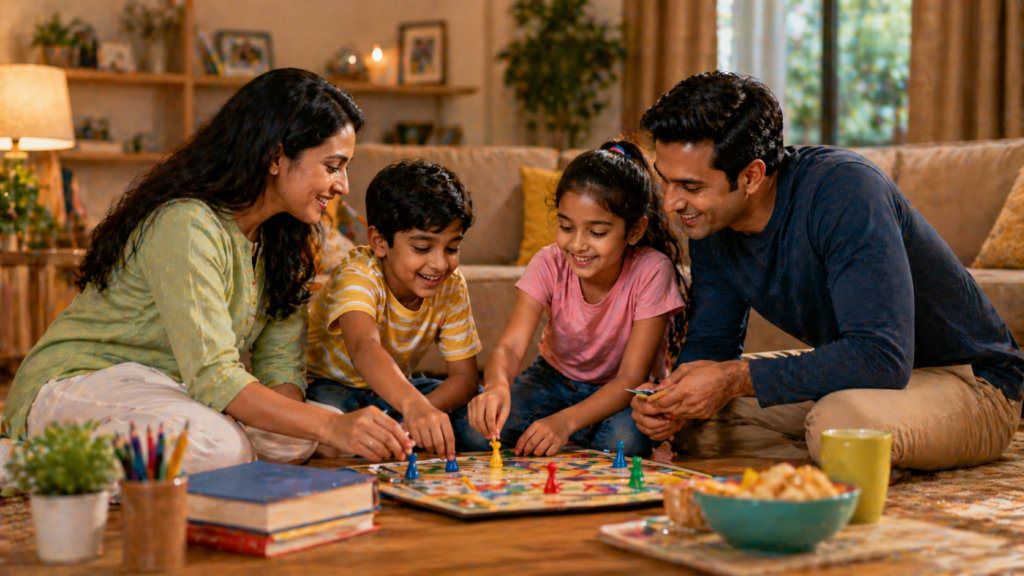
Children often turn to screens when they feel bored or lonely. Increasing real-world interactions can naturally reduce device use. Families can try:
- Board game nights
- Cooking or baking together
- Gardening activities
- Family walks or weekend outings
- Group storytelling games
Shared experiences create memories that screens cannot replace.
Why reducing screen time for kids matters
Before making changes, it helps to understand why screen limits are important. Excessive screen use can affect several areas of a child’s development.
- Sleep problems
Blue light from screens can interfere with the body’s natural sleep cycle, making it harder for children to fall asleep. - Lower physical activity
More screen time often means less outdoor play, exercise, and movement. - Shorter attention spans
Fast-moving digital content can make it difficult for children to stay focused on slower activities like reading or homework. - Reduced social interaction
Children may spend less time talking, playing, and bonding with family or friends. - Eye strain and headaches
Long periods of staring at screens can lead to tired eyes and discomfort.
Understanding these effects helps families make healthier choices about technology.
FAQs about how to reduce screen time for kids
- How much screen time is healthy for children?
Most experts recommend limiting recreational screen use to about 1–2 hours per day for school-age children, while younger children should have even less. - What is the easiest way to reduce screen time for kids?
The most effective strategy is replacing screens with engaging alternatives such as outdoor play, hobbies, reading, and family activities. - Should parents completely ban screens?
No. Technology can be useful for learning and creativity. The focus should be on balanced and mindful use rather than a total ban. - Why do kids become addicted to screens?
Many digital platforms are designed to be highly engaging with bright colours, fast action, and instant rewards. This can make screens more appealing than slower real-world activities. - How can parents encourage kids to play outside more?
Scheduling outdoor time daily, planning weekend park visits, and encouraging sports or group games can help children naturally spend less time on devices. - Do educational apps count as screen time?
Yes, but they are generally considered higher-quality screen time because they involve learning, creativity, and problem solving rather than passive watching.
Here are – 30 Screen-Free Summer Holiday Activities for Kids
Subscribe to The Junior Age Newspaper – click here. Know more fun facts on The Junior Age’s YouTube!