
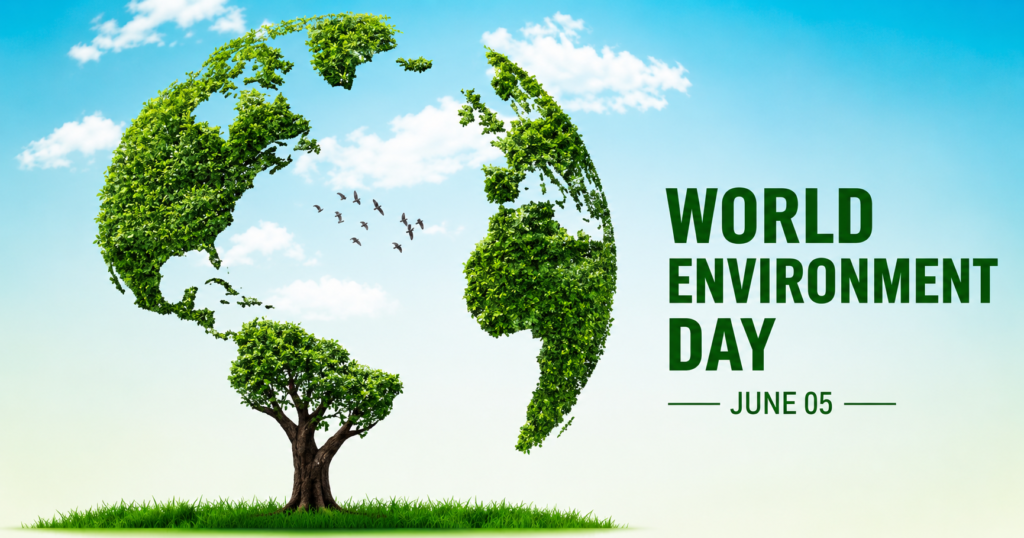
Every year, people around the world come together to celebrate World Environment Day, one of the biggest global events dedicated to protecting our planet. From tree-planting drives and beach clean-ups to awareness campaigns and school activities, millions of people take part in efforts to make the Earth cleaner, greener, and healthier. As environmental challenges such as climate change, pollution, deforestation, and biodiversity loss continue to affect communities worldwide, World Environment Day serves as an important reminder that everyone has a role to play in caring for nature. Whether it is reducing waste, saving water, planting trees, or protecting wildlife, even small actions can make a difference when millions of people join together.
What is World Environment Day?
World Environment Day is an international day celebrated every year on 5 June to encourage awareness and action for the protection of the environment. It is led by the United Nations Environment Programme and is considered the world’s largest environmental awareness campaign.
It was established by the United Nations in 1972 during the United Nations Conference on the Human Environment held in Stockholm, Sweden. The first World Environment Day was celebrated on 5 June 1973. Since then, it has grown into a global movement involving more than 150 countries.
Why is World Environment Day celebrated?
World Environment Day is celebrated to:
- Raise awareness about environmental challenges
- Encourage people to protect nature and wildlife
- Promote sustainable lifestyles
- Inspire action against pollution and climate change
- Support conservation of forests, oceans, rivers, and biodiversity
- Encourage governments and organisations to adopt environmentally friendly policies
The day reminds people that protecting the environment is a shared responsibility.
Read about: World Environment Day 2025: Young Heroes, It’s Time to Save our Planet!
What are the biggest environmental challenges today?
Climate change
Rising global temperatures are causing more extreme weather events, including heatwaves, floods, droughts, and storms.
Plastic pollution
Millions of tonnes of plastic waste enter the environment every year, harming wildlife and ecosystems.
Deforestation
Large areas of forests are being cleared for agriculture, development, and other human activities, reducing habitats for animals and plants.
Loss of biodiversity
Many species are facing extinction because of habitat destruction, pollution, and climate change.
Water pollution
Rivers, lakes, and oceans are increasingly affected by waste, chemicals, and plastic debris.
What can children do to help the environment?
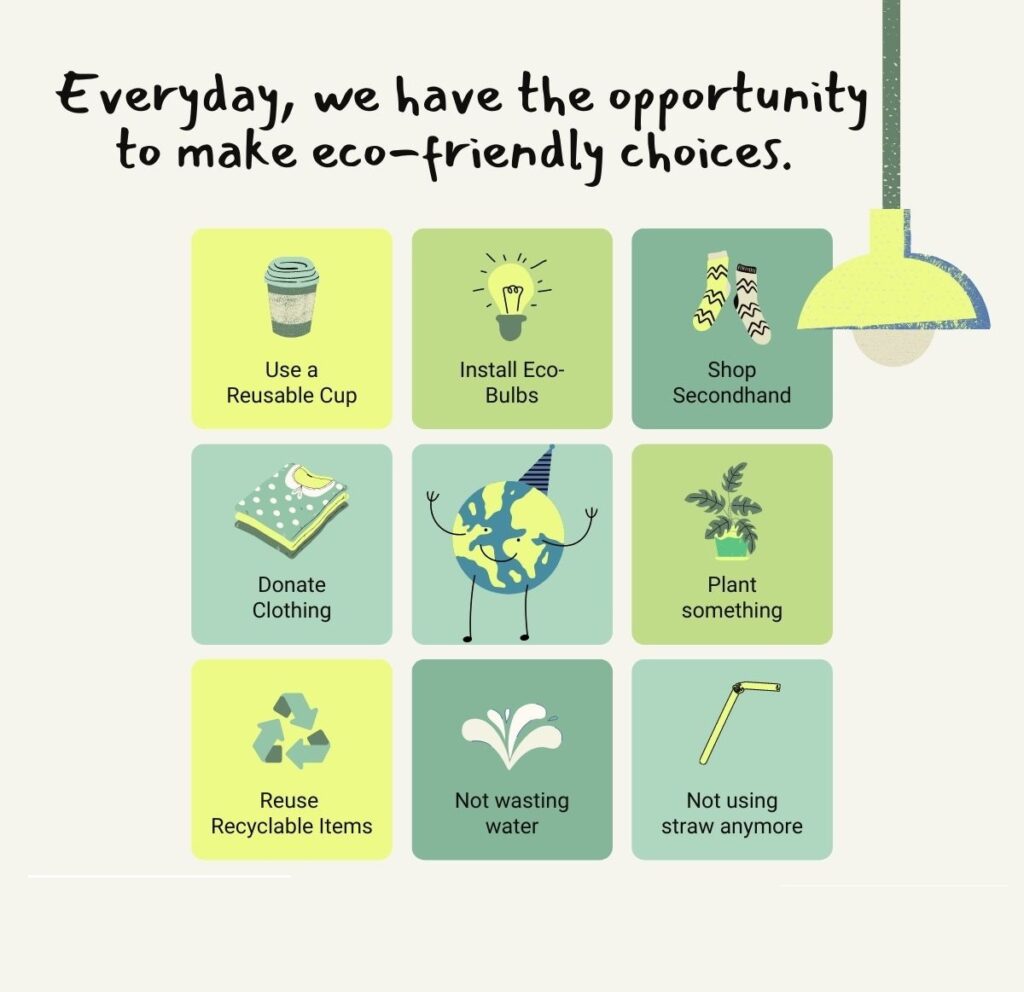
Children can make a positive impact through simple everyday actions:
- Switch off lights when not in use
- Save water while brushing teeth
- Carry reusable water bottles
- Avoid single-use plastics
- Plant and care for trees
- Recycle paper, plastic, and metal
- Walk or cycle when possible
- Learn about local wildlife and nature
Small actions repeated every day can create meaningful change over time.
Also read: 17 Sustainable Development Goals Explained: How The World Plans A Better Future By 2030
Frequently asked questions (FAQs)
When is World Environment Day celebrated?
It is celebrated every year on 5 June.
Who started World Environment Day?
The United Nations established World Environment Day in 1972, and it is coordinated by the United Nations Environment Programme (UNEP).
What is the purpose of World Environment Day?
Its purpose is to raise awareness and encourage action to protect the environment.
Which countries celebrate World Environment Day?
More than 150 countries participate in celebrating this day with activities every year.
Why is protecting the environment important?
A healthy environment provides clean air, clean water, food, natural resources, and habitats for wildlife, all of which are essential for life.
Read about: Interesting Facts About The World Environment Day
Subscribe to The Junior Age Newspaper – click here. Know more fun facts on The Junior Age’s YouTube!