
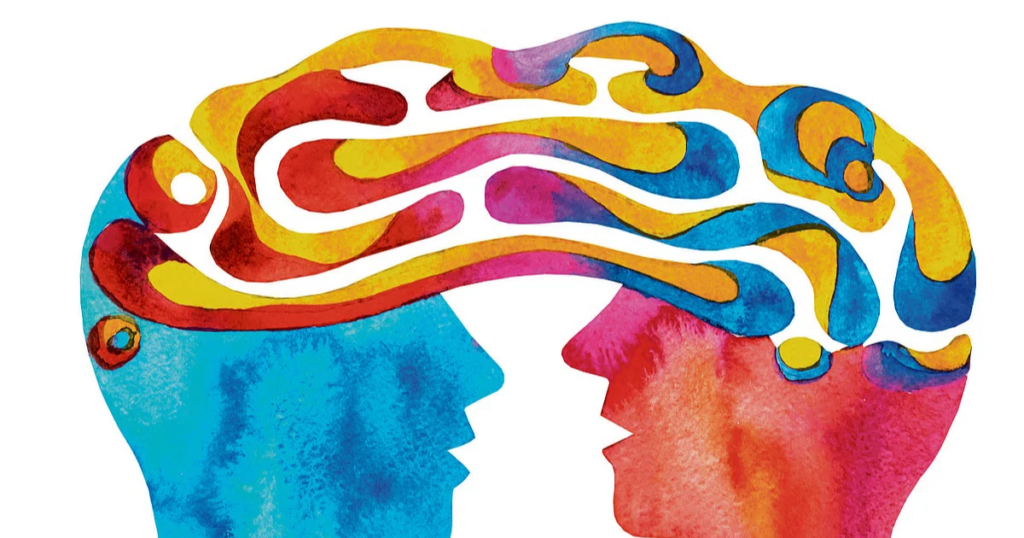
The Delhi government is launching a new Mental Health and Well-being Policy on 19 November 2026 to support the emotional and psychological health of children and young people. The policy aims to make schools and colleges safer spaces where students can discuss their feelings, manage stress and seek help without fear of judgement. It will cover government, government-aided and private schools, CM SHRI schools, colleges, children with special needs and young people outside the formal education system, including those up to the age of 29. Let us understand the Delhi government’s new mental well-being policy.
What are the key features of the mental well-being policy?
1. More counsellors in schools and colleges
The policy proposes at least one counsellor for every 500 students in schools and one for every 100 students in higher education institutions.
2. Training for school staff
Teachers, administrative staff and school transport workers will receive guidance through special handbooks, practical exercises and assessments. This will help them recognise early signs of emotional distress and respond appropriately.
3. School well-being teams
Schools will establish School Well-being Committees and Wellness Teams to monitor students’ emotional health. The policy also includes systems for reporting bullying and cyberbullying and procedures for helping students who need urgent support.
4. Emotional learning and life skills
Schools will encourage social and emotional learning to help children understand their feelings, manage stress, build healthy relationships and handle everyday challenges.
Why is this important?
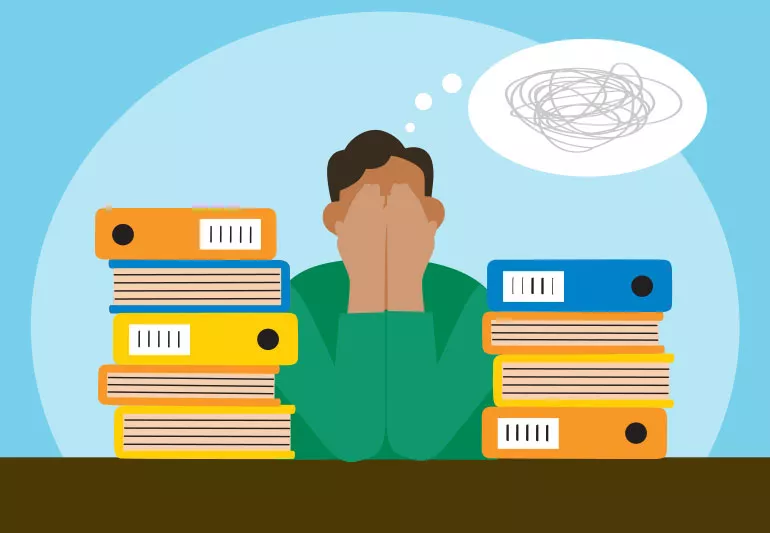
Academic pressure, examinations, friendships, bullying and social media can sometimes affect children’s emotional health. However, students may find it difficult to discuss their worries or ask for help.
The policy aims to make emotional support a shared responsibility of counsellors, teachers and other adults who interact with children. It also recognises that young people outside schools and colleges need support too.
Frequently asked questions on Delhi’s Mental Well-being Policy
1. What is Delhi’s Mental Health and Well-being Policy?
It is a government initiative to support the emotional and psychological health of children and young people through counselling, awareness and early support.
2. Who will benefit from this policy?
Students in government, government-aided and private schools, CM SHRI schools and colleges will be covered. It also includes children with special needs and young people outside formal education, up to the age of 29.
3. How many counsellors will schools need?
The proposed ratio is at least one counsellor for every 500 school students and one for every 100 students in higher education institutions.
4. Why will teachers and other school staff receive training?
Adults who interact with children regularly may notice changes in their behaviour or emotions. Training will help them recognise signs of distress and guide students towards appropriate support.
5. What is emotional learning?
Emotional learning helps children understand their feelings, manage stress, build relationships and make responsible decisions. These skills are useful in school and everyday life.
Did you know?
Mental health is not simply the absence of mental health conditions. According to the World Health Organization, it also includes our ability to cope with everyday stresses, learn, work and contribute to our communities.
Also read:
- All About Sustainable Development Goal 3: Good Health and Well-Being
- Too Much Social Media May Be Hurting Kids’ Focus
- Economic Survey 2025-26 Proposes Social Media Age Limit for Children
Subscribe to The Junior Age Newspaper – click here. Know more fun facts on The Junior Age’s YouTube!