
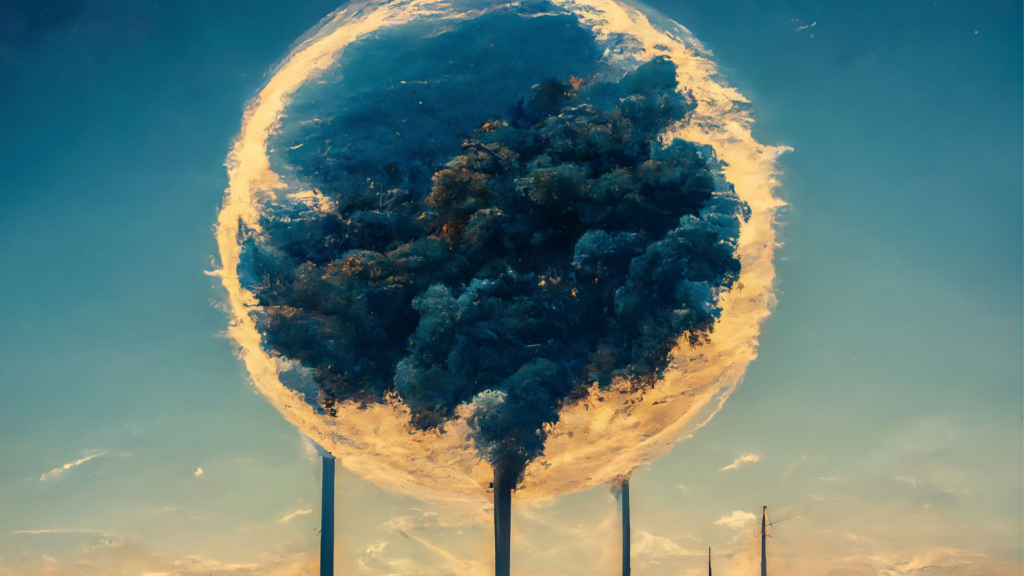
For decades, scientists have been carefully watching the air around our planet. What they are seeing now is worrying. Earth’s carbon dioxide levels in 2024 have reached their highest point ever recorded. This isn’t just a number in a science report. It affects weather, oceans, animals, and people everywhere. The latest findings show that the planet is warming faster, and the window to slow it down is getting smaller.
What did scientists find?
According to the latest Greenhouse Gas Bulletin released by the World Meteorological Organization, carbon dioxide levels in the atmosphere hit a record high in 2024.
- CO2 levels rose by 3.5 parts per million (ppm) between 2023 and 2024
- This is the largest annual increase since measurements began in 1957
- The global average CO2 level now stands at 423.9 ppm
Scientists say this sharp rise is heating the planet and making extreme weather events more common.
Why is rising CO2 such a big problem?
Carbon dioxide acts like a thick blanket around Earth, trapping heat in the atmosphere. This leads to:
- Stronger heatwaves
- More floods and droughts
- Changing rainfall patterns
- Melting glaciers and rising sea levels
Much of the extra CO2 in 2024 came from wildfires and changes in forests and oceans. Normally, forests and oceans absorb a lot of the carbon dioxide humans produce. However, droughts and higher temperatures meant they could not absorb as much last year.

Scientists also found that methane and nitrous oxide, two other powerful greenhouse gases, reached record levels in 2024.
- Methane mostly comes from farming, livestock, and landfill sites
- Nitrous oxide comes from fertilisers and the burning of fuels or wood
These gases trap even more heat than carbon dioxide, making the problem worse.
Why urgent action matters
Experts warn that greenhouse gases can stay in the atmosphere for hundreds of years. That means the pollution released today will affect Earth for generations to come. The United Nations says it is urgent to monitor emissions and reduce them quickly to protect the planet’s future.