
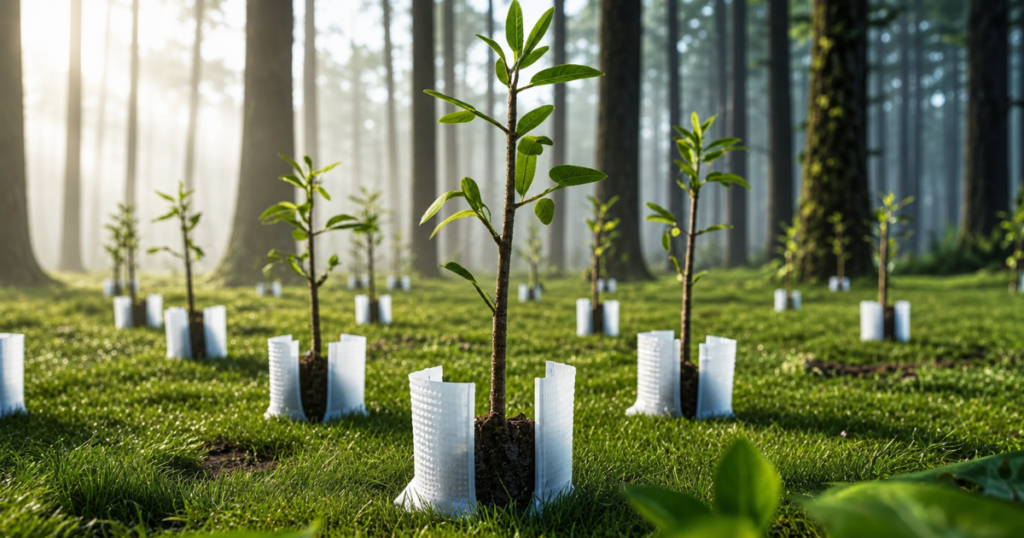
Forests are often called the lungs of our planet. They provide homes for wildlife, clean the air, protect soil, and help fight climate change. However, many forests around the world have been damaged by deforestation, farming, mining, and urban development. Restoring these landscapes has become one of the biggest environmental goals of the 21st century. India has now reached an important milestone in this effort by restoring millions of hectares of damaged land, bringing the country closer to its global environmental commitments.
India achieves major land restoration milestone
India has successfully restored 21.76 million hectares of degraded and deforested land, marking a significant achievement in environmental conservation. The restoration means that India has already achieved about 84% of its Bonn Challenge target. Under this global initiative, India has pledged to restore 26 million hectares of degraded land by 2030. The achievement highlights the country’s ongoing efforts to improve ecosystems, increase green cover, and strengthen environmental sustainability.
What is the Bonn Challenge?
The Bonn Challenge is a global initiative launched in 2011 that encourages countries to restore degraded and deforested landscapes.
Its goal is not simply to plant trees but to help entire ecosystems recover. Countries participating in the challenge work to improve land health, restore biodiversity, and support communities that depend on natural resources. India is one of the leading countries participating in the initiative and has committed to restoring 26 million hectares of land by the end of this decade.
How was the land restored?
Between 2011 and 2020, India carried out a range of restoration activities across different regions. These included:
- Tree planting programmes
- Natural forest regeneration
- Mangrove restoration along coastlines
- Agroforestry projects that combine farming and trees
- Improved forest management practices
Together, these efforts helped damaged landscapes recover and become healthier over time.
Did yuou know – Too Hot for Photosynthesis in Tropical Rainforests?
Why is land restoration important?
Restoring degraded land brings many environmental and social benefits.
Protects wildlife
Healthy forests and ecosystems provide habitats for birds, animals, insects, and plants.
Reduces soil erosion
Trees and vegetation help hold soil in place, preventing it from being washed away by rain or wind.
Stores water
Restored landscapes improve water retention, helping rivers, groundwater, and local water supplies.
Absorbs carbon dioxide
Forests capture carbon from the atmosphere, helping to slow climate change.
Supports farmers and communities
Healthier land can improve crop productivity and provide sustainable livelihoods for local people.
India’s progress shows how large-scale restoration efforts can benefit both people and nature. By restoring more than 21 million hectares of land, the country is moving steadily towards its 2030 target while helping ecosystems recover across different regions. The achievement also demonstrates the growing importance of conservation projects that focus on long-term environmental health rather than simply increasing tree numbers.
Also read about: The Planet Lost More Forests Than Ever Before!
Subscribe to The Junior Age Newspaper – click here. Know more fun facts on The Junior Age’s YouTube!