
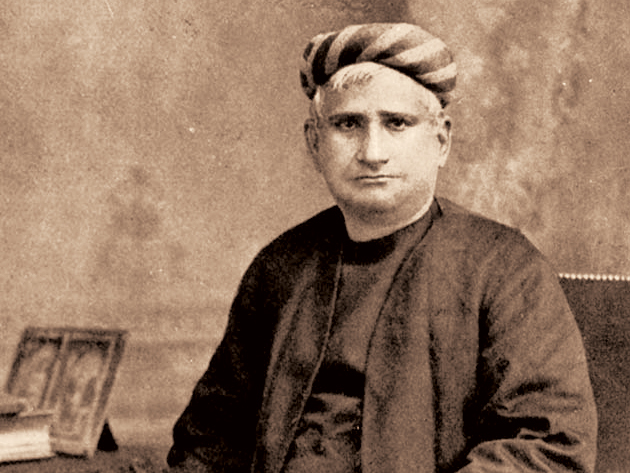
Every nation carries stories that spark hope, courage and pride. Vande Mataram is one of those stories. It is more than a song. It is a voice that travelled through time, lifted spirits and reminded Indians of their strength even in the toughest moments. But very few know how this song was born or about Bankim Chandra Chatterjee, the man who shaped it. The Junior Age has it all here for you.
Meet the Man Who Gave India Vande Mataram – Bankim Chandra Chatterjee:
The beginning of a quiet revolution
Bankim Chandra Chatterjee was born on 26 June 1838 in a small village in West Bengal. He grew up in a world where British rule shaped daily life, right down to public ceremonies. At these events, Indians were told to sing God Save the Queen to honour the British monarch. Bankim Chandra Chatterjee realised something important. India needed a song of her own. A song that reflected India’s pride, identity and spirit.
A moment that changed everything for Bankim Chandra Chatterjee
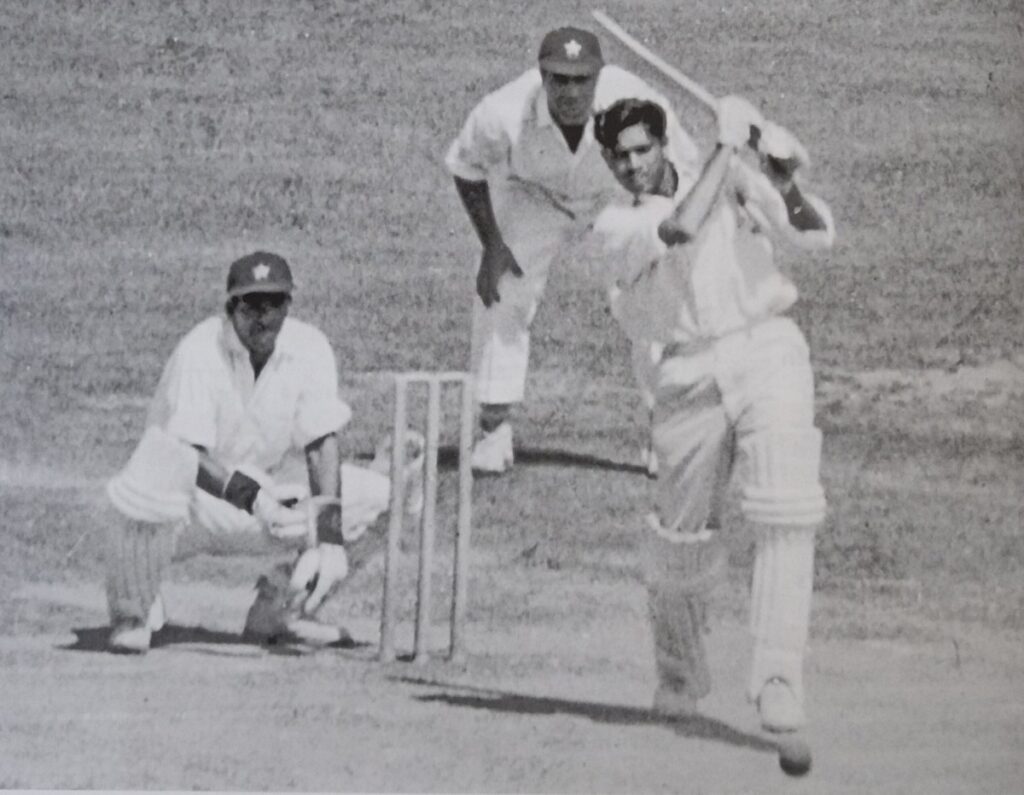
In 1873, while travelling in a palanquin in Berhampore, Bankim was stopped during a cricket match by a British officer who struck him for blocking the way. The moment stung, not because of fear, but because it showed how little value Indians were given in their own land. From that moment came a determination to create something powerful. Not a protest or a speech, but a song that would awaken courage within every Indian.
Vande Mataram was born, which was shaped with devotion
Bankim Chandra Chatterjee turned to faith and reflection. He believed India was more than a piece of land. She was a mother. With that thought came the words that would soon echo across the nation.
“Vande Mataram“
Vande means to praise with devotion.
Mataram means Mother.
Together, Vande Mataram became a greeting of love and respect for India herself.
The song quietly enters the world
Around 1875, Bankim published the song in his magazine Bangadarshan. Many felt the language was too difficult. Bankim simply believed India would grow into it. He once said that the nation would one day recite it like a mantra, with pride and understanding.
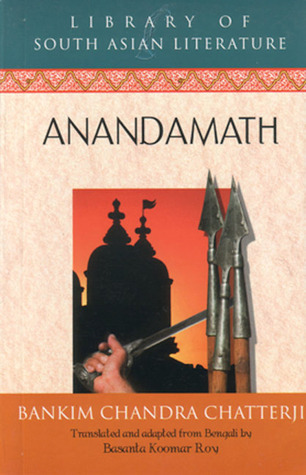
Bankim Chandra Chatterjee and his book Anandamath that gave Vande Mataram its wings
In 1882, Bankim included Vande Mataram in his novel Anandamath, a story of monks who rose against injustice. The song suddenly found a larger purpose. It became a battle cry, a reminder that freedom was worth fighting for.
A voice that filled the nation
By 1896, Rabindranath Tagore sang Vande Mataram at a Congress session. The hall fell silent, moved by the power of the words. From then on, the song travelled through streets, gatherings and protests. As its influence grew, the British banned it. But India only sang louder. People were beaten, arrested and threatened, yet the song never faded. It became a symbol of unity and courage.
In 1937, the first two verses were kept as the national form of the song so people of every community could embrace it. The aim was simple: unity.
Finally, in 1950, Vande Mataram was declared the National Song of India. Bankim did not live to witness the moment, but his words remained at the heart of a free nation.
Vande Mataram is more than history. It is a reminder of the strength that rises from love and devotion to one’s land. It shows how words can spark movements and how one person’s vision can reshape a nation’s future.
Vande Mataram completes 150 years this year, marking a century and a half of courage, pride and India’s unbreakable spirit.
Subscribe to The Junior Age Newspaper – click here. Know more fun facts on The Junior Age’s YouTube!