
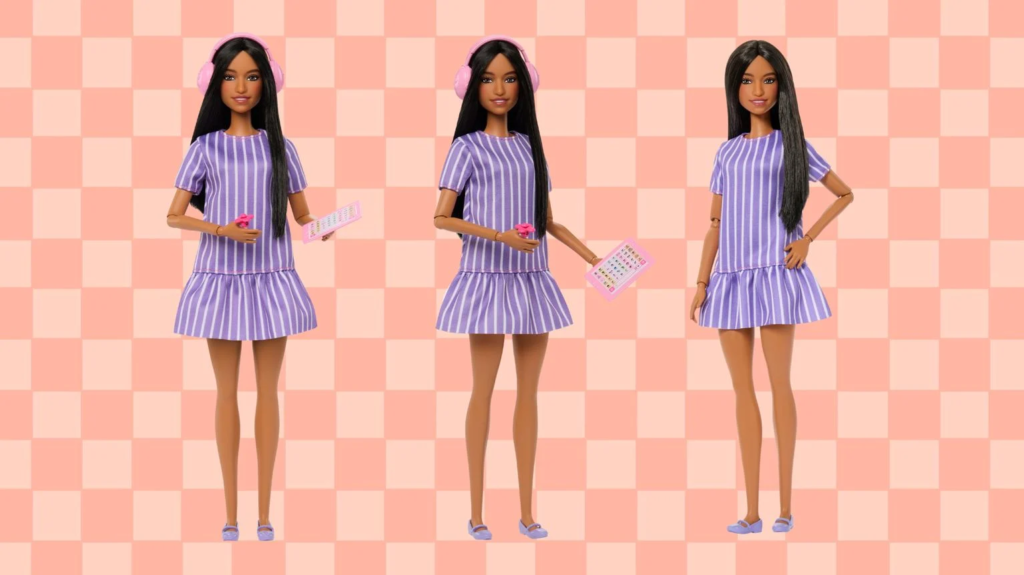
Toys do more than entertain. They shape how children see the world, themselves, and others. A major moment in toy history made headlines across the globe. Mattel has launched the first autistic Barbie, sending a clear message that every child deserves to feel seen, valued, and represented in play. For decades, Barbie has reflected changing times, from careers to cultures. This new launch takes that journey further. By introducing an autistic Barbie, Mattel aims to normalise neurodiversity and help children understand that differences are a natural part of life.
Mattel has launched the first autistic Barbie
In 2025, Mattel officially introduced the first Barbie doll designed to represent a child with autism. The doll is part of Mattel’s Fashionistas range, which focuses on diversity and inclusion. The new doll joins the long-running Barbie Fashionistas line, which has increasingly focused on diversity across skin tones, body types, disabilities and medical conditions. But this launch, Mattel says, is different in both its depth and its process: The autistic Barbie was developed over 18 months in partnership with the Autistic Self Advocacy Network (ASAN), which offered guidance shaping everything from the doll’s physical design to her accessories and clothing.
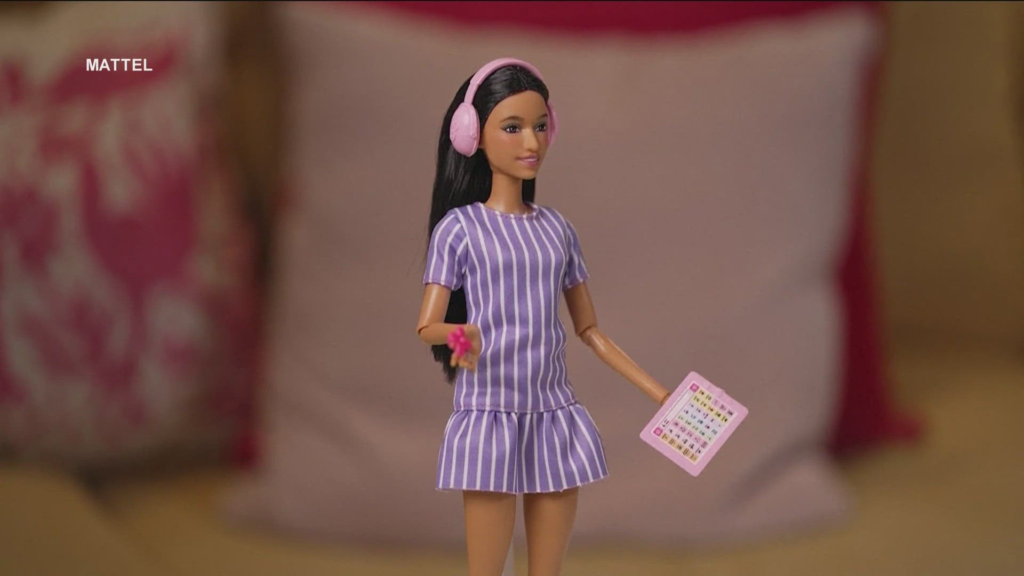
The autistic Barbie features articulated elbows and wrists, allowing for hand movements such as flapping or other common methods for stimming, which refers to gestures that can help some autistic people regulate sensory input or express excitement. Her gaze is angled slightly to the side, acknowledging that some autistic individuals may avoid direct eye contact.
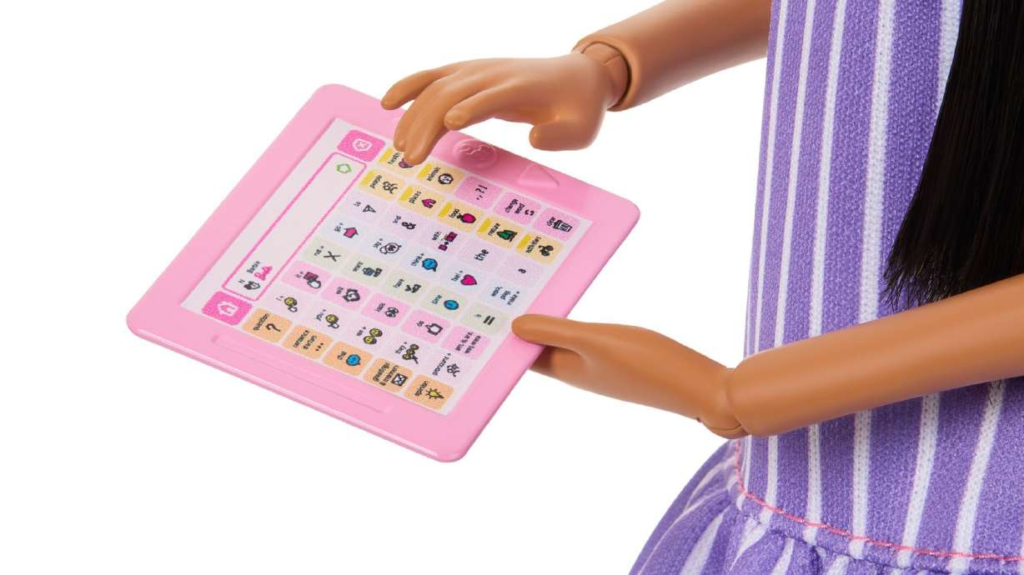
Accessories include a pink finger-clip fidget spinner that actually spins, noise-cancelling headphones and a tablet displaying symbol-based Augmentative and Alternative Communication (AAC) apps. It also features a sunflower symbol linked to hidden disabilities, and textured clothing that supports sensory comfort. The design avoids bright patterns that can cause sensory overload, keeping colours calm and soothing. She wears a loose-fitting purple pinstripe A-line dress with short sleeves and a flowy skirt (these minimize fabric-to-skin contact, which many autistic people find uncomfortable) paired with flat-soled shoes for stability and comfort.
The new Barbie doll is available now through Mattel Shop with a wider rollout planned for this Spring. Mattel said the goal was not to label children, but to help them feel understood and accepted through play.
Subscribe to The Junior Age Newspaper – click here. Know more fun facts on The Junior Age’s YouTube!