
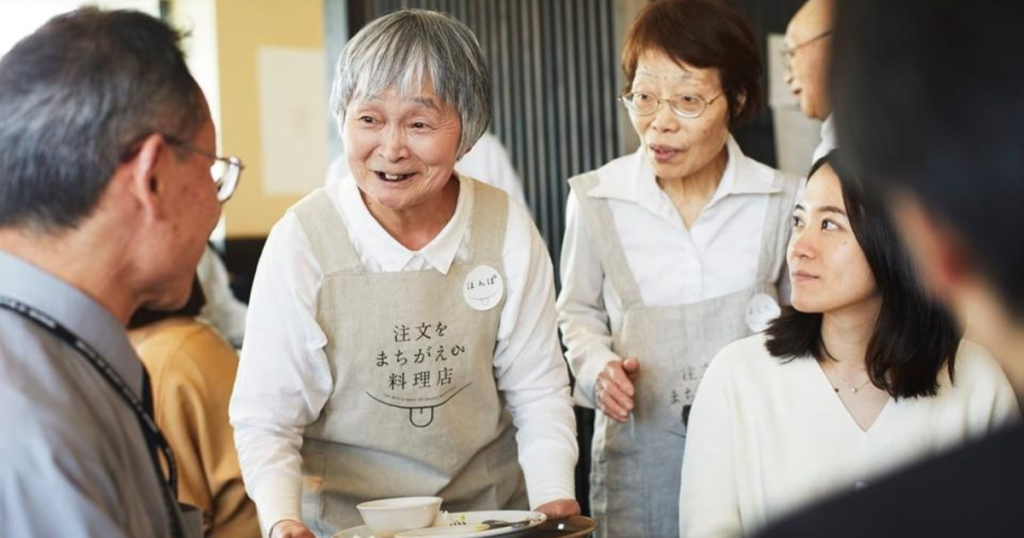
Across the world, countries are searching for new ways to support growing elderly populations. As people live longer, many older adults want to remain active, social, and involved in their communities. In Japan, a unique idea is helping make that possible by giving seniors meaningful jobs and a chance to stay connected. From cafés to restaurants, more businesses in Japan are hiring workers aged 70 and above, proving that age does not have to be a barrier to staying active and contributing to society.
Why are Japanese cafés hiring senior citizens?
Japan has one of the world’s oldest populations. According to the World Economic Forum, more than 1 in 10 people in Japan are aged 80 or older. As the number of elderly citizens grows, issues such as loneliness, social isolation, and financial concerns have become more common. To address these challenges, some cafés and restaurants are hiring only senior citizens, including people in their 70s, 80s, and even 90s.
The goal is not just to provide jobs. These workplaces are designed to help older adults remain active, meet new people, and continue playing an important role in society.
Japan Cafes built around conversation
Unlike many modern businesses that focus on speed and technology, these cafés encourage a slower and more personal experience. Customers are invited to chat with elderly staff members while waiting for their food or drinks. Many visitors enjoy hearing stories, life lessons, and experiences from people who have lived through decades of change. The result is a warm environment where different generations can connect and learn from one another.
How these jobs help seniors?
For many older adults, especially those living alone, working offers much more than a pay cheque. These jobs provide:
- A sense of purpose
- Regular social interaction
- Extra income
- Better mental well-being
- Opportunities to stay physically active
Many seniors say that being part of a workplace helps them feel valued and connected to their communities.
Health experts believe that meaningful social roles can improve quality of life as people age. Regular interaction with others can help reduce loneliness, improve mental health, and encourage older adults to stay engaged with the world around them. As countries around the globe face ageing populations, Japan’s senior-friendly cafés are being seen as an inspiring example of how communities can support older citizens while benefiting from their experience and wisdom.
Activity corner:
Interview an older family member, neighbour or family friend.
- What games or activities did you enjoy before smartphones and the internet?
- What was the biggest difference between school then and school now?
- If you could share one piece of advice with today’s children, what would it be?
- What is something from the past that you wish still existed today?
Create a short report comparing life then and now, and share it with us at info@thejuniorage.com.
Read all about: Sustainable Development Goal 11: Building Better Cities For The Future
Subscribe to The Junior Age Newspaper – click here. Know more fun facts on The Junior Age’s YouTube!