
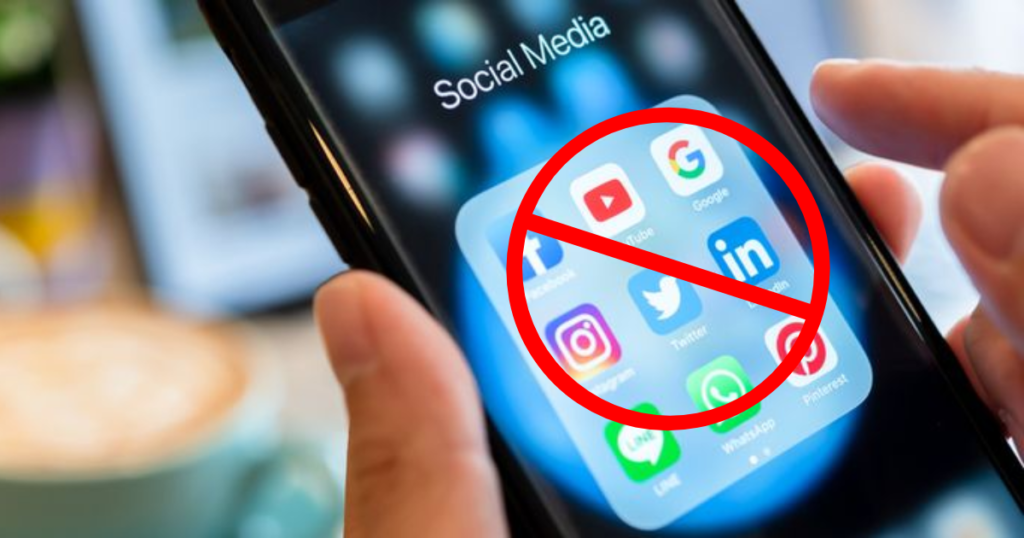
Social media helps people connect, learn, and share ideas. However, many governments are becoming concerned about how online platforms affect children and teenagers. Issues such as cyberbullying, harmful content, online scams, and excessive screen time have led countries around the world to introduce stricter rules for young users. Now, several nations are taking major steps to make social media safer by limiting access for children and introducing stronger age checks.
More countries tighten social media rules for children
Following Australia’s move to strengthen online safety laws, both Britain and the United Arab Emirates (UAE) have announced new measures aimed at protecting young users.
The UAE has become the first Arab country to ban children under 15 years old from creating or using personal social media accounts. Teenagers aged 15 and 16 will still be allowed access but will face stricter age-verification checks and additional safety controls.
Importantly, even if parents give permission, social media companies will be required to remove accounts belonging to children under 15.
Did you read about: Two Indian States Plan Social Media Bans for Children
Britain plans social media restrictions for under-16s
Britain has also announced plans to ban children under 16 years old from using major platforms, including:
- TikTok
- Snapchat
- YouTube
- X
The proposed rules would also limit certain features for young users, including livestreaming and contact from strangers online. Supporters of the proposal say the measures could help reduce online risks and create safer digital spaces for children.
Also read: Norway Plans Social Media Ban for Children Under 16
Other countries are taking action too
Several countries have already introduced or proposed similar restrictions.
Indonesia
Indonesia has introduced restrictions on social media use for children under 16 as part of efforts to improve online safety.
Canada
Canada has proposed a Digital Safety Bill that would limit social media access for children under 16. Under the proposal, technology companies could apply for exemptions if they can prove they have strong protections and safeguards for young users.
Brazil
Brazil has also strengthened online safety measures designed to better protect children and teenagers while using digital platforms.
How will these rules work?
One of the biggest challenges is verifying a user’s age online. To enforce the new rules, governments are asking technology companies to introduce stronger age-verification systems. These systems may require additional checks to confirm a person’s age before they can create or use a social media account. The goal is to help protect children from:
- Cyberbullying
- Harmful or inappropriate content
- Online predators
- Excessive screen time
- Privacy risks
Supporters of stricter rules believe children need greater protection online, especially as socialmedia becomes a larger part of everyday life. Others argue that socialmedia can also provide educational opportunities, creativity, and social connections when used responsibly. As a result, governments are trying to find a balance between keeping children safe and allowing them to benefit from digital technology.
Also read: Australia to Europe: Countries Introducing Age Limits For Social Media
Subscribe to The Junior Age Newspaper – click here. Know more fun facts on The Junior Age’s YouTube!