
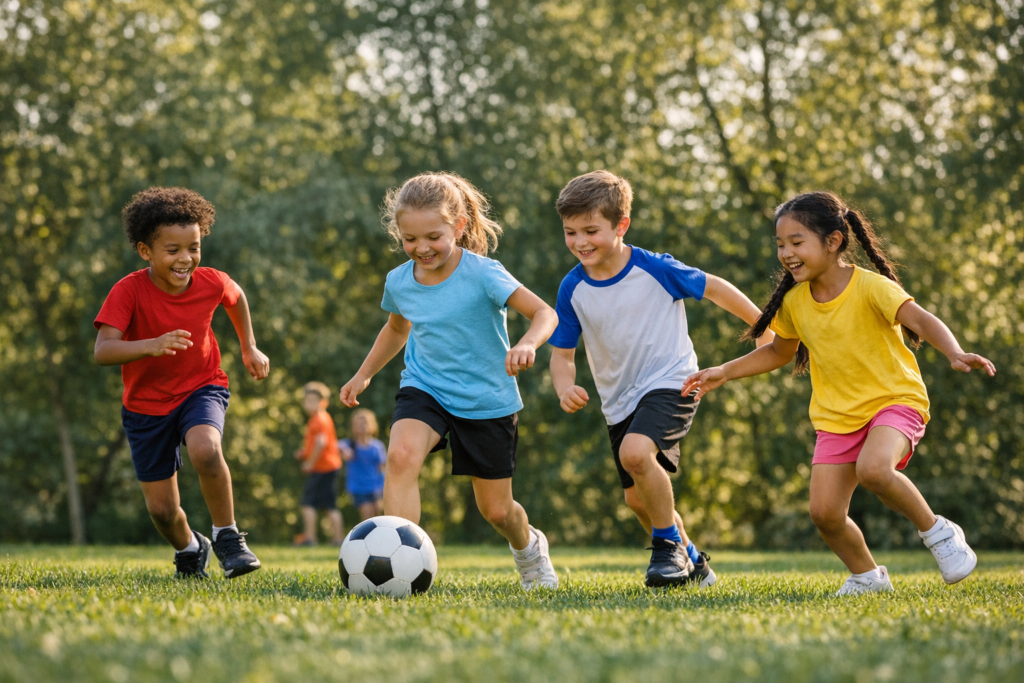
Children may see sport as fun and games. Yet behind every pass, run, or goal lies a powerful learning experience. From the playground to the football field, sport quietly shapes character, habits, and values that children carry throughout life. The International Day of Sport for Development and Peace, observed on April 6, reminds families that sport is not only about winning medals. It helps children grow into confident, resilient, and respectful individuals. Even simple neighbourhood games can become classrooms where children learn lessons that no textbook can fully teach. Encouraging children to play sports is not just about physical activity. It is about helping them develop life skills that prepare them for real-world challenges.
What sports teach kids: Little sports, big life lessons
– Teamwork
When children play team sports such as football, basketball, or cricket, they quickly realise that success depends on everyone working together. Passing the ball, supporting teammates, and celebrating shared victories teach children the value of cooperation.
Teamwork also helps children understand that everyone has different strengths. Learning to trust teammates builds social skills and teaches children how to work with others toward a common goal.
– Discipline and commitment
Sports require regular practice, patience, and dedication. Whether it is waking up early for training or practising a skill repeatedly, children learn that improvement comes through effort and consistency. This sense of discipline often carries over into schoolwork and other responsibilities. Children begin to understand that success rarely happens overnight and that perseverance matters.
– Sports teaches resilience and handling defeat
In sport, winning and losing are both part of the journey. A missed goal or a lost match can feel disappointing, but it also teaches children how to cope with setbacks. Learning to bounce back after a loss builds emotional strength. Children begin to understand that mistakes are opportunities to learn rather than reasons to give up.
– Respect and fair play
One of the most important lessons sport teaches is respect. Children learn to respect teammates, opponents, coaches, and rules of the game. Simple gestures such as shaking hands after a match or applauding a good performance from the other team encourage sportsmanship. These habits help children develop empathy and respect in everyday life.
– Sports builds confidence and self-belief
Every small achievement in sport helps build confidence. Scoring a goal, completing a race, or mastering a new skill gives children a sense of accomplishment. As children grow more confident in their abilities, they become more willing to try new things, take healthy risks, and believe in themselves.
– Leadership and responsibility
Sports often give children opportunities to take responsibility. A team captain may guide teammates, organise strategies, or motivate others during a game. Even small leadership roles help children learn decision-making, communication, and accountability. These are essential skills that will help them throughout life.
Why sport matters beyond the playground
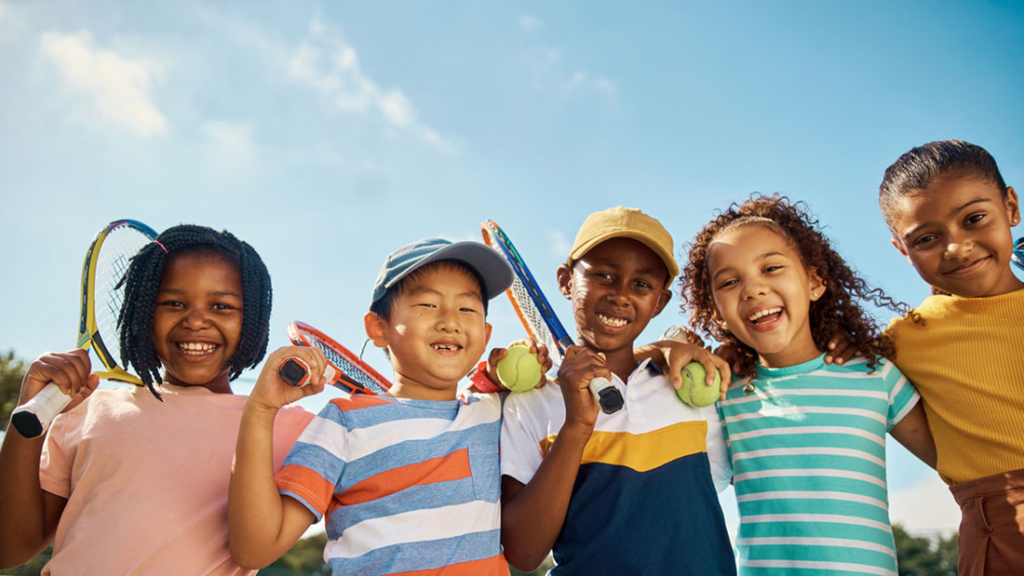
Sport also connects children to a larger purpose. Around the world, sports bring communities together, encourage inclusion, and promote peace. Children from different cultures, languages, and backgrounds can play together even if they do not speak the same language. A simple ball can build friendships, break barriers, and create understanding between people.
How parents can encourage sports in everyday life
Parents do not need professional training grounds or expensive equipment to help children enjoy sports. Small steps can make a big difference.
- Encourage outdoor play every day
- Let children try different sports to discover what they enjoy
- Focus on effort and improvement rather than winning
- Celebrate participation and teamwork
The goal is not to create champions but to nurture healthy, confident, and happy children. Through simple games and everyday practice, sport teaches children teamwork, resilience, discipline, respect, and confidence. These lessons stay with them long after the final whistle.
Subscribe to The Junior Age Newspaper – click here. Know more fun facts on The Junior Age’s YouTube!