
Christmas feels magical everywhere you look. Twinkling lights, jingling bells, shiny trees, sweet treats, and songs that seem to float through the air. However, these traditions did not appear overnight. Each one has a story, shaped by history and a lot of culture. This Christmas traditions guide takes a joyful deep dive into the why behind the magic. From why to decorate trees to why we leave milk and cookies for Santa, every custom carries meaning, memories, and a reason it has lasted for centuries. With The Junior Age, let’s unwrap these festive traditions one by one and discover what makes Christmas so special for children and adults alike.
All Popular Christmas Traditions You Ever Wondered About Explained:
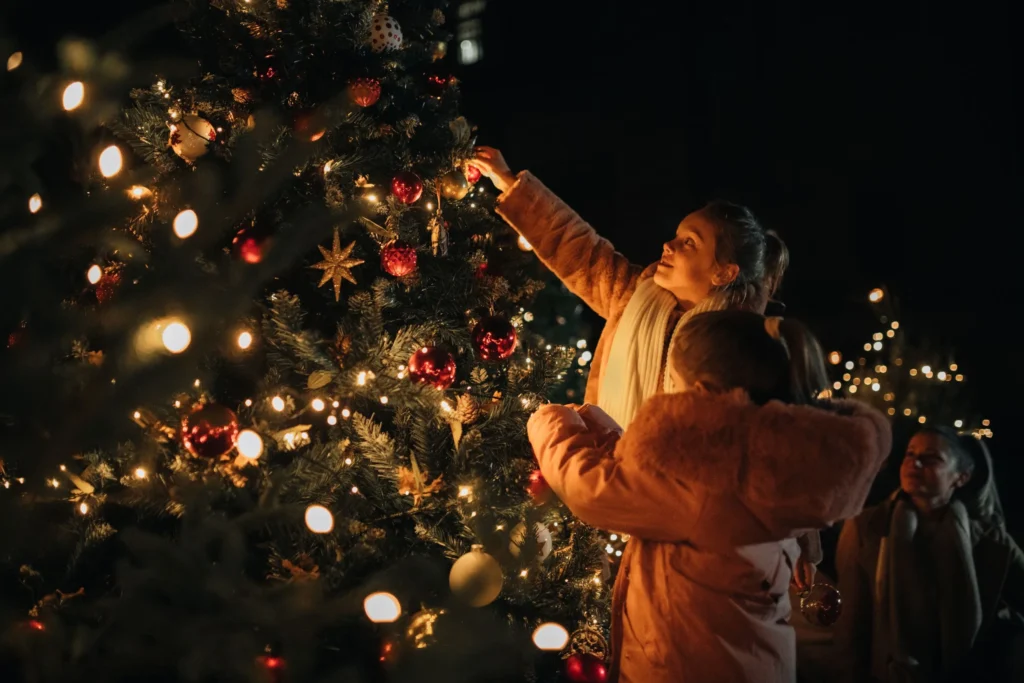
Why Do We Decorate Christmas Trees?
The Christmas tree tradition began long before modern Christmas celebrations. Evergreen trees stayed green even in winter, which made people see them as a symbol of life and hope during the cold, dark months. In Germany, during the 16th century, families started bringing trees indoors and decorating them with candles, apples, and handmade ornaments. Over time, this spread across Europe and then the world.
So, decorating a Christmas tree really celebrates hope. This Christmas traditions reminds us that light, colour, and joy always return, even after the longest winters.
Why Do We Sing Christmas Carols?
Carols began as songs sung in villages, not churches. The word carol once meant a song of happiness. Later, these joyful tunes became linked with Christmas traditions and were used to tell the story of Jesus’s birth in a way everyone could understand. When people sing carols today, they are continuing a tradition of sharing stories through music. It brings communities together, lifts spirits, and spreads cheer door to door.

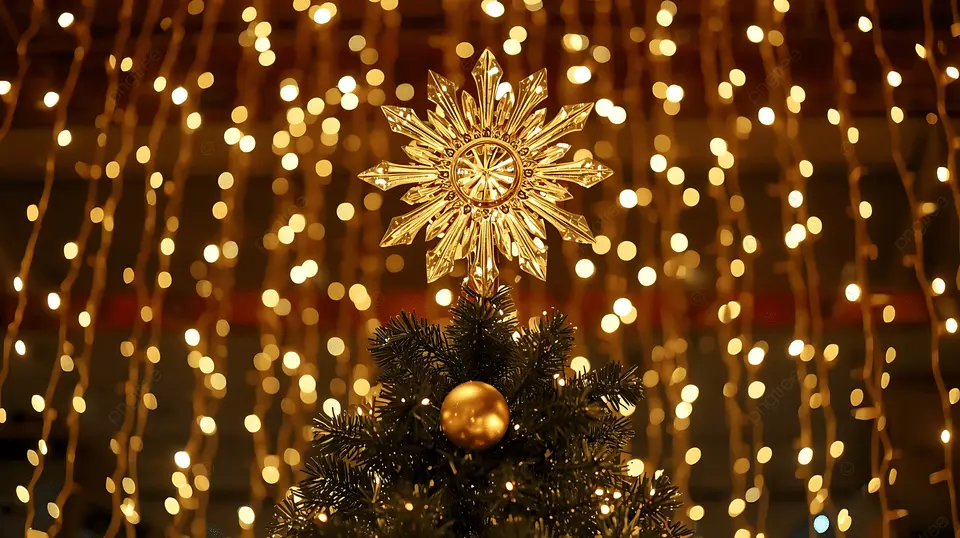
Christmas Traditions: Why Is the Star on Top of the Tree?
The star sitting proudly on top of the Christmas tree is one of the most powerful symbols of the season. Its story comes from the Christmas tale of the Star of Bethlehem, a bright light in the sky that, according to tradition, guided the Wise Men to the place where baby Jesus was born. Long ago, stars were seen as signs and guides. People believed they helped travellers find the right path. That is why the star became a symbol of direction, hope, and trust. Placing it at the very top of the tree reminds us that even when times feel dark or confusing, there is always a light showing the way.
When Christmas trees became popular in Europe during the 16th and 17th centuries, families began adding a star or sometimes an angel at the top. The star represented guidance from above, while also marking the most important part of the tree. It was placed higher than all other decorations to show its importance. Today, the star on the Christmas tree stands for hope, belief, and kindness. It reminds children that doing the right thing, helping others, and following good values can light up the world, just like that shining star at the top of the tree.
Why Does Santa Have Reindeer?
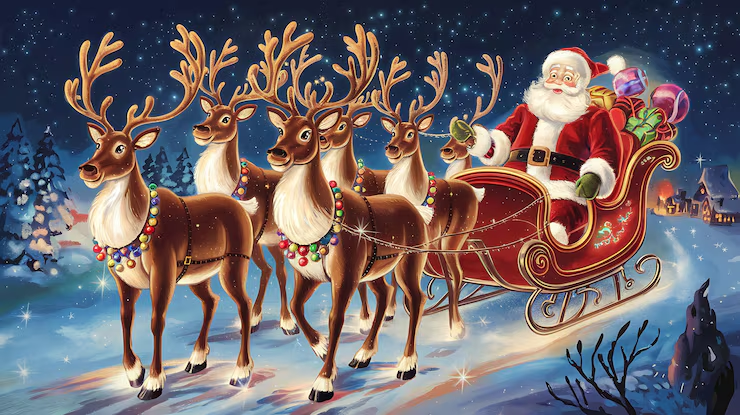
Santa’s reindeer come from a mix of storytelling, nature, and pure Christmas imagination. The idea became popular in 1823 through the famous poem A Visit from St Nicholas, which described Santa travelling through the night sky in a sleigh pulled by reindeer. Before that, Santa was often shown on foot or riding a horse. The poem changed everything and gave Christmas one of its most magical images.
Reindeer were a perfect choice because they are strong animals that live in very cold places, similar to Santa’s snowy home at the North Pole. In real life, reindeer can travel long distances and pull heavy loads, which makes them believable helpers for a gift-giving journey across the world. Their ability to survive harsh winters added to the idea that they were special and tough enough for Santa’s big night. Over time, each reindeer was given a name and personality, with Rudolph joining later as the famous red-nosed guide. Together, Santa’s reindeer came to symbolise teamwork, kindness, and believing in the impossible. They remind children that everyone has a role to play, and sometimes, what makes you different is exactly what makes you shine.
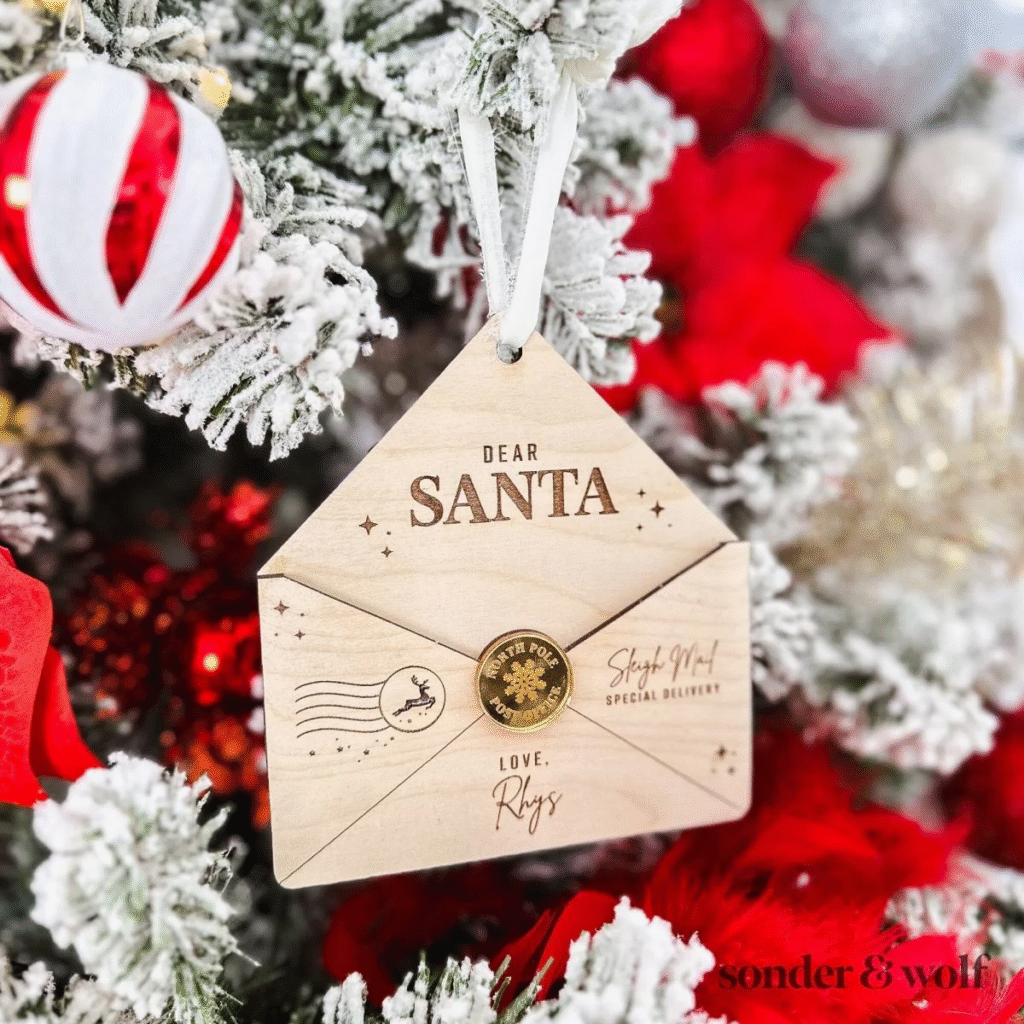
Why and Where Did the Letter to Santa Start as Christmas Traditions?
The tradition of writing letters to Santa began in the 19th century, as postal services became faster and more reliable. Children started sending their wishes to St Nicholas, believing he could read every letter, no matter where it came from. In the United States and parts of Europe, post offices even promised to deliver these letters straight to Santa himself.
Over time, this sweet habit became a Christmas traditions in homes and schools. Writing to Santa helped children practise writing, share their hopes, and think about good behaviour. It also turned Christmas into a season of imagination, where believing felt just as important as receiving.
Moreover, read about – 25+ Best Christmas Movies for Kids to Watch This Holiday Season!
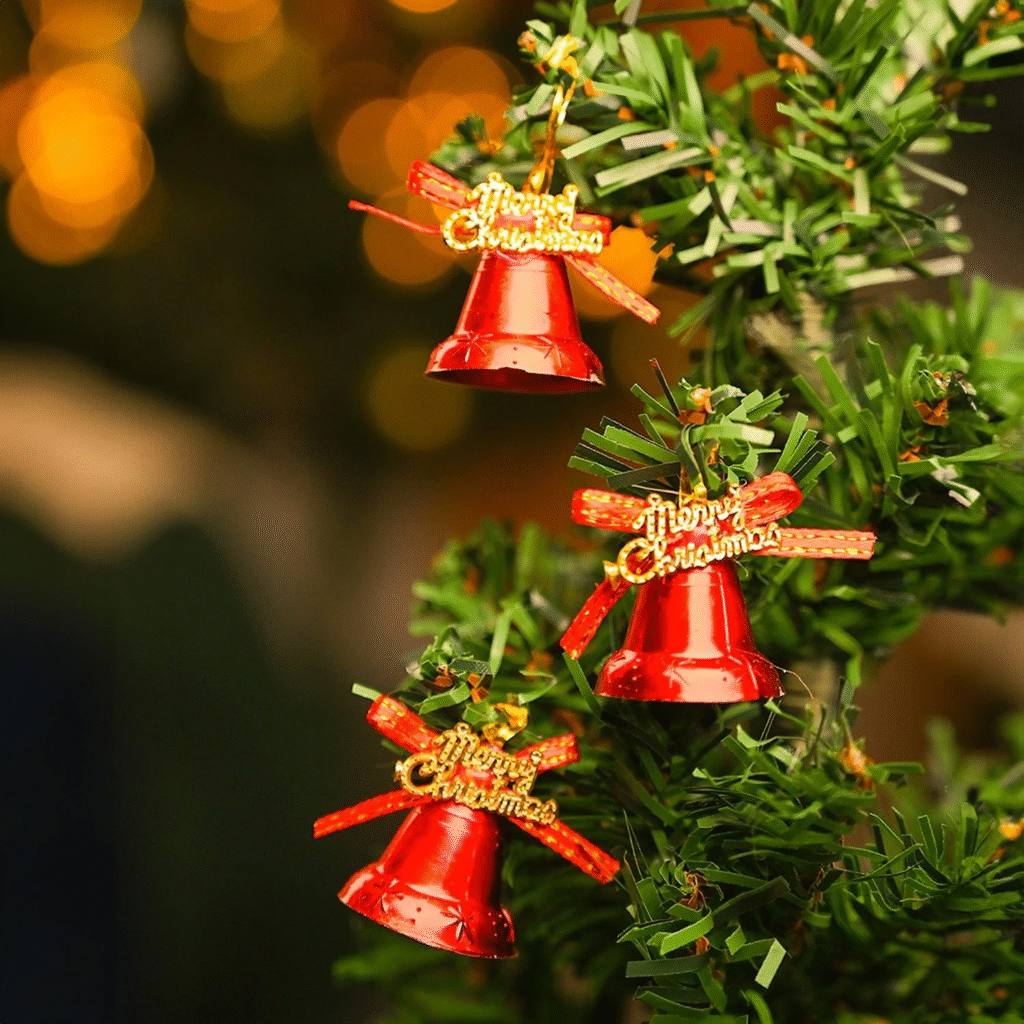
Why Are Bells a Christmas Symbol?
Bells have been linked to Christmas traditions for hundreds of years because they were used to share big news. Church bells rang to announce the birth of Jesus and call people together for celebration. Their sound travelled far, making sure no one missed the moment. Later, bells became part of winter life through sleighs, where jingling bells helped travellers stay safe in snow. Today, bells represent joy, celebration, and the excitement that Christmas has arrived.
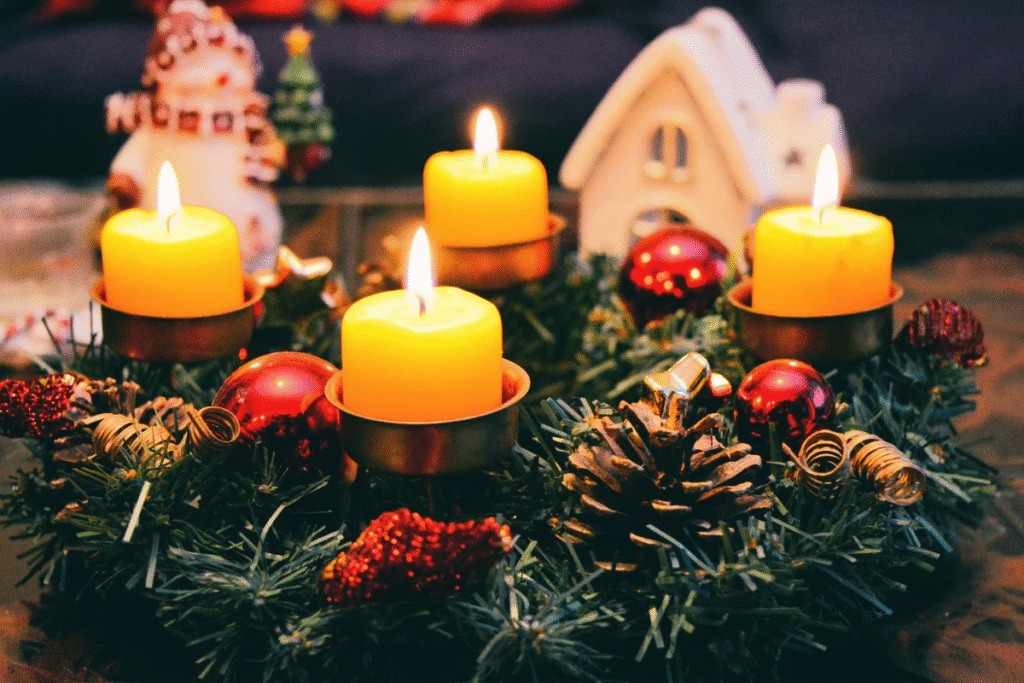
Why Do We Light Candles on Christmas as Traditions?
Candles have always been a symbol of light in darkness. Long before electric lights, candles were the only way to brighten homes during winter nights. At Christmas, they came to represent warmth, hope, and peace. In Christian belief, candles also symbolise Jesus as the light of the world. Lighting a candle at Christmas reminds us that even a small flame can chase away darkness.
Also, read – Top 10 Interesting Facts About Christmas!
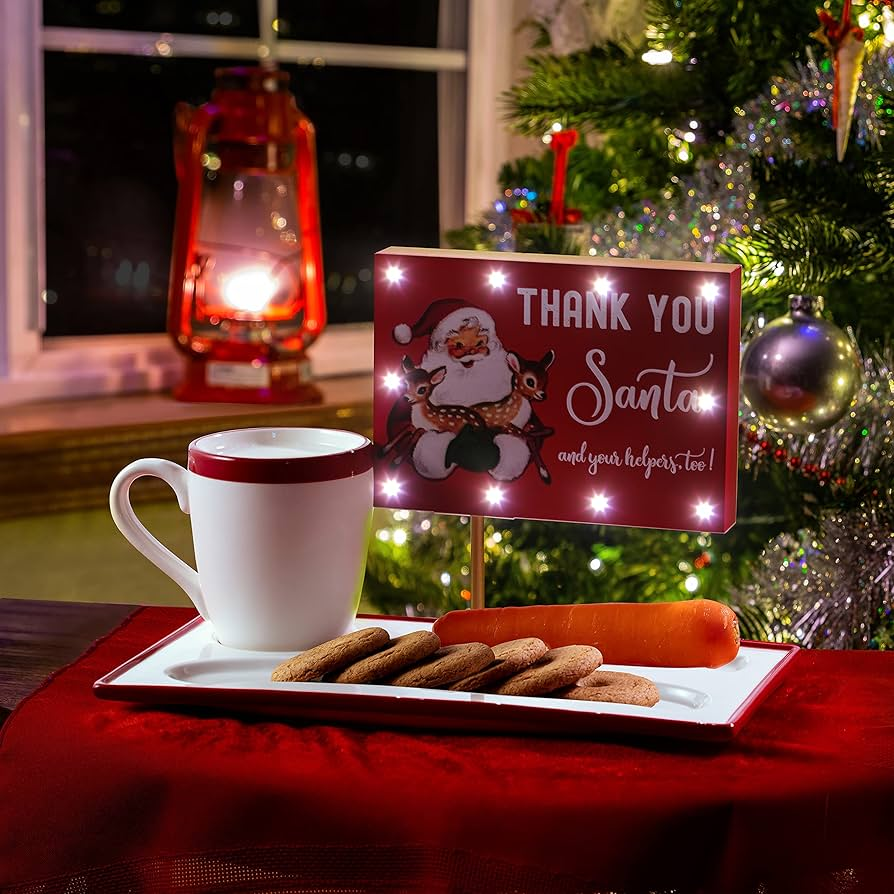
Christmas Traditions: Why Milk & Cookies for Santa?
The tradition of leaving milk and cookies for Santa began in the early 20th century, especially in North America, when families started using Christmas customs to teach children about kindness and gratitude. Santa was seen as someone who worked all night, travelling the world to bring joy, so leaving a small snack was a polite and caring way to say thank you. Milk and cookies were chosen because they were simple, comforting foods found in most homes. During hard times like the Great Depression, these treats also carried an important message. Even if families did not have much, they could still share something warm and thoughtful. What matters is the gesture, not how fancy the gift is.
Today, this tradition reminds children that Christmas is not only about receiving presents. It is about giving, sharing, and thinking of others. That small plate left out on Christmas Eve turns kindness into a habit, one cookie at a time.
Also read – Why Do We Hang Christmas Stockings?
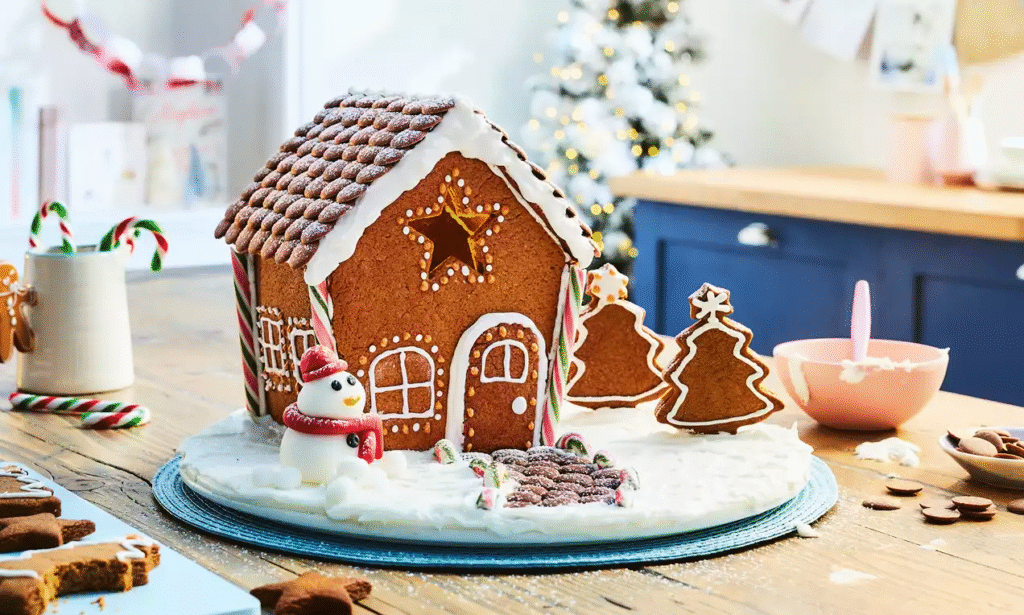
Why Do We Have Gingerbread Houses as Christmas Traditions?
Gingerbread houses come from Europe, especially Germany, where gingerbread had been baked for centuries. The idea of building houses from gingerbread became popular after the famous fairy tale Hansel and Gretel, which told the story of a magical house made of sweets.
Gingerbread was once a special treat because spices like ginger and cinnamon were expensive and rare. Making a gingerbread house turned baking into a celebration, not just a snack. Families began decorating them together, using icing, sweets, and imagination. Today, gingerbread houses symbolise warmth, creativity, and family time. Building one is less about eating it and more about coming together, telling stories, and turning Christmas into something you can create with your own hands.
Also, save these – 25+ Best Christmas Movies for Kids to Watch This Holiday Season!
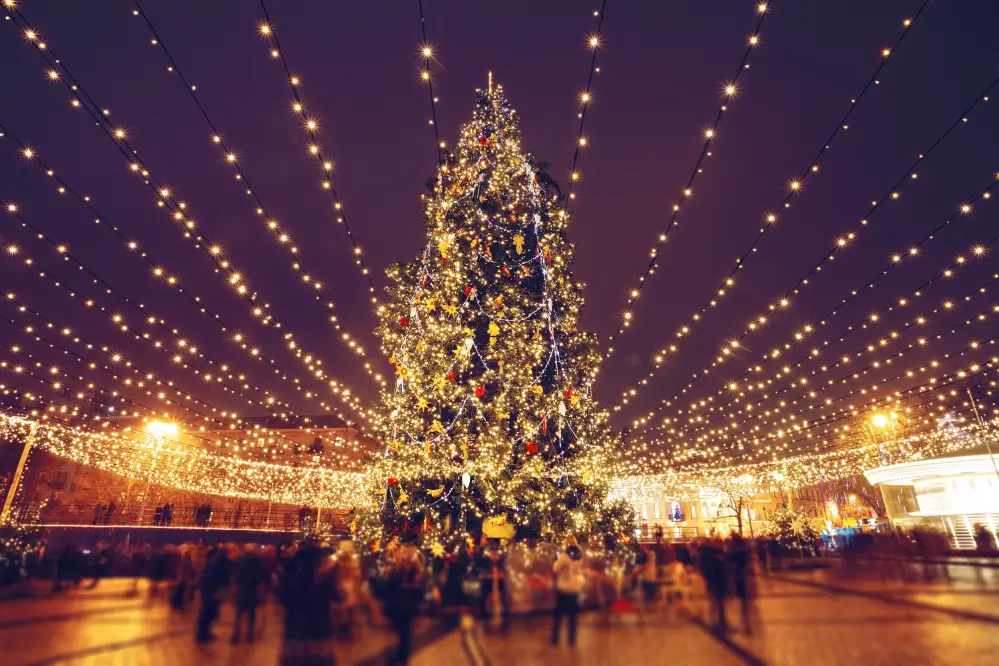
Why Christmas Lights?
Christmas lights grew from the old traditions of placing candles on trees. While candles looked beautiful, they were risky. When electric lights were introduced in the late 1800s, families quickly embraced them as a safer way to add sparkle. Now, Christmas lights symbolise celebration and joy. They turn dark winter nights into glowing reminders that Christmas is a time of warmth and togetherness.
Why Are Candy Canes Shaped Like a J?
Candy canes did not always look the way they do today. In the 17th century, they began as simple, straight white sugar sticks given to children during church services in Europe. They were meant to keep children quiet during long ceremonies, and their plain white colour symbolised purity and peace. Over time, the candy was bent at the top into a curved shape. Many believe this curve was designed to look like the letter J, standing for Jesus. Others say it was shaped like a shepherd’s staff, reminding people of shepherds from the Christmas story and symbolising care, guidance, and protection.
Later, red stripes were added, giving the candy cane its familiar festive look. These stripes came to represent love and sacrifice, while the peppermint flavour added freshness and joy. Today, candy canes blend sweetness with symbolism, making them a tasty reminder that even small Christmas treats can carry big meaning.

Christmas traditions connect generations. They help children understand history, kindness, faith, and community in ways that feel joyful and magical. When we decorate, sing, light candles, or leave treats for Santa, we are not just celebrating a holiday. We are passing stories forward, one tradition at a time.
And, read about – Fascinating Christmas Traditions From Around The World
Lastly, Watch Full Video On, Christmas Traditions Around Worldwide | Fun Facts About Christmas