
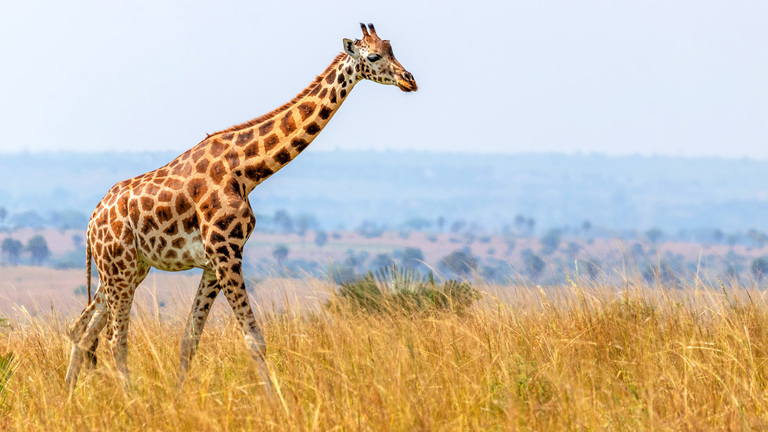
Giraffes are some of the most recognisable animals on Earth. Tall, gentle, and instantly spotted by their long necks, they have fascinated people for centuries. For a very long time, scientists believed a giraffe belongs to just one species. However, new research has changed that idea completely. Giraffes are not just one kind of animal, and this discovery is helping scientists understand and protect them better.
What did scientists discover?
Scientists have discovered that giraffes are actually four different species, not one. These are
- Maasai giraffe
- Northern giraffe
- Reticulated giraffe
- Southern giraffe
Each species is unique and lives in different parts of Africa.

How did they find this out?
Scientists from the International Union for Conservation of Nature (IUCN) studied giraffe DNA and even examined the shapes of their skulls. These detailed studies showed clear differences between the groups.
For many years, experts believed there was just one giraffe species with nine subspecies. New research proved that these groups are different enough to be classified as four separate species. Understanding that giraffes are different species helps conservationists protect them better. Some giraffe species are more at risk than others. If scientists treat them all as one group, smaller populations could disappear without anyone noticing in time.
Fun Facts:
- Giraffes are the world’s tallest land mammal, known for their long necks, and are from Africa.
- Giraffes are listed as Vulnerable on the IUCN Red List of Threatened Species. Habitat loss, human activity, and environmental changes are making survival harder for them in the wild.
Subscribe to The Junior Age Newspaper – click here. Know more fun facts on The Junior Age’s YouTube!