
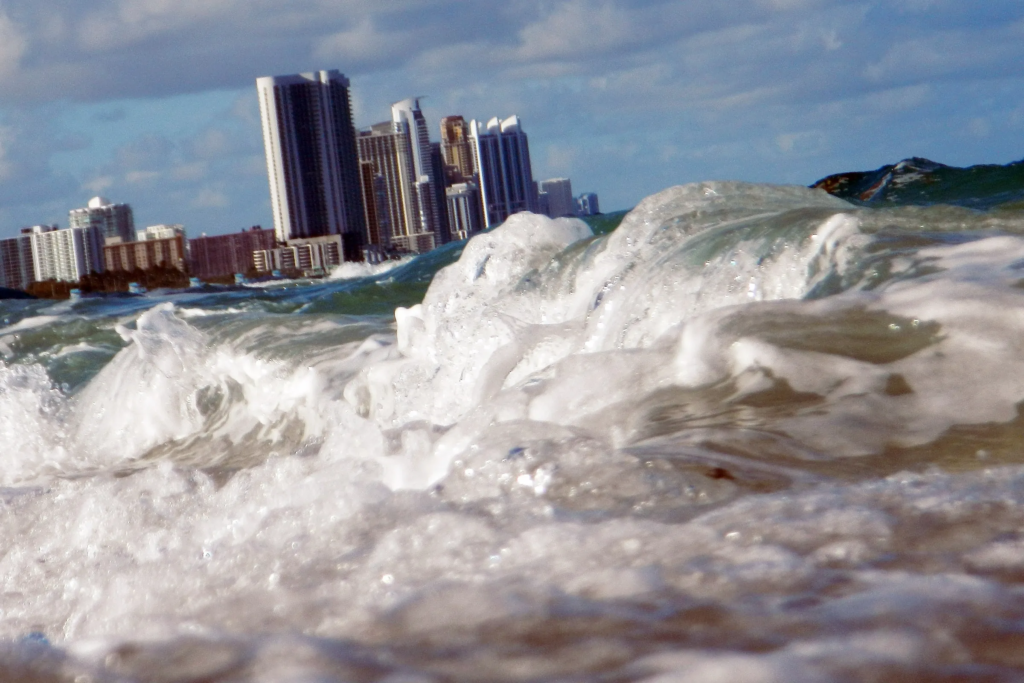
For nearly 2,000 years, Earth’s oceans stayed at almost the same level. Shorelines barely moved. Life near the coast stayed predictable. However, that calm balance broke in the 20th century. Global sea levels began rising and they have not slowed down since. In fact, scientists now warn that the pace is speeding up, putting millions of people, cities, and ecosystems at risk.
What’s happening to sea levels?
Since 1993, scientists have been using satellites to track the oceans with extreme accuracy. The data shows a clear trend. Global sea levels are rising faster than ever before. The main reason is melting ice. Massive ice sheets in Greenland and Antarctica are melting much more quickly than they used to. Warming oceans and hotter air are driving this melt. Together, these ice sheets hold enough frozen water to raise global sea levels by around 213 feet if they melted completely. That would reshape the planet.
Why is this a serious problem?
Even if the world manages to limit global warming to 1.5°C, scientists say the danger does not disappear.
- Coastal flooding will become more frequent
- Homes near the sea could be flooded every year
- Drinking water may turn salty
- Crops and livelihoods could be lost
Experts estimate that by 2050, the average global sea level could rise by around 6 inches. That may not sound like much, but it is enough to flood low-lying areas regularly.
Up to 300 million people worldwide could be forced to move away from coastal areas by mid-century. Big cities such as Mumbai, New York, and Bangkok are at risk. Poorer countries are likely to be hit the hardest because they have fewer resources to protect coastlines or relocate communities.
Large-scale migration could also put pressure on schools, hospitals, housing, and jobs in safer inland areas.
Why scientists are worried
This research, published in Communications Earth & Environment, shows that sea level rise is not a future problem. It is already happening. Scientists stress that slowing climate change is the only long-term solution, alongside better planning and protection for coastal communities.
Subscribe to The Junior Age Newspaper – click here. Know more fun facts on The Junior Age’s YouTube!