
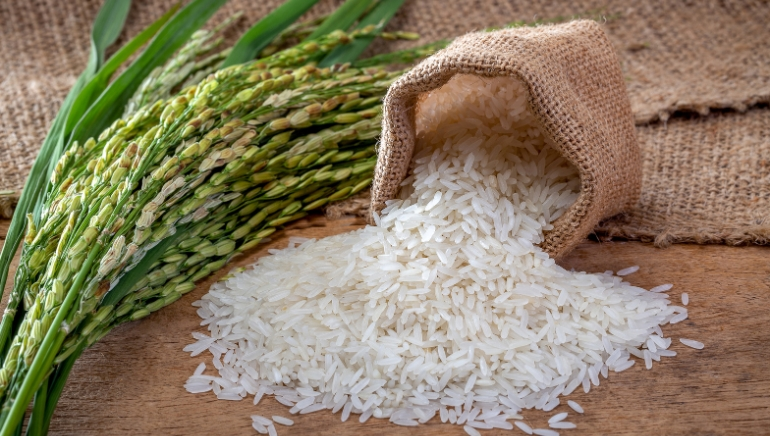
Rice is more than just food in India. It is part of daily meals, festivals, farming traditions, and even school lunch plates. In 2025, rice made global headlines again, this time for a record-breaking reason. India becomes the world’s largest rice producer in 2025, moving ahead of every other country in total rice output. This achievement reflects years of hard work by farmers, better farming methods, strong government support, and favourable weather in key rice-growing regions. From small village fields to massive granaries, rice production in India reached a new high.
World’s largest rice producer: India’s big agricultural win
In 2025, India officially emerged as the world’s top rice producer, overtaking long-time leader China in total output. According to global agricultural estimates, India produced over 135 million tonnes of rice, supplying food not only for its own population but also for many countries across Asia, Africa, and the Middle East.
Rice farming in India benefits from vast fertile land, strong monsoon rains, and a farming community with deep-rooted knowledge passed down through generations. Improved seeds, better irrigation, and modern storage facilities have helped farmers reduce crop loss and increase yields. Government schemes that support minimum support prices and provide access to fertilisers and technology also played a major role in boosting production.
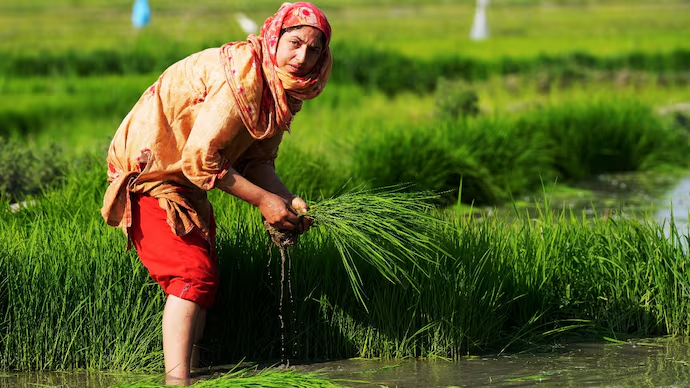
About rice production in India
Rice is grown in almost every part of India, but states such as West Bengal, Uttar Pradesh, Punjab, Andhra Pradesh, Telangana, Chhattisgarh, Odisha, and Tamil Nadu lead the way. Farmers grow rice mainly during the kharif season, which depends heavily on the southwest monsoon. In recent years, improved water management and climate-smart farming practices have helped farmers handle changing weather conditions better.
India is also the world’s largest exporter of rice, especially basmati and non-basmati varieties. This means rice grown in Indian fields reaches plates in many countries. Organisations like the Food and Agriculture Organisation track such data to understand global food security and hunger patterns. Becoming the world’s largest rice producer is not just about numbers. It strengthens India’s role in global food security. It also highlights the importance of protecting farmers, conserving water, and ensuring sustainable farming so future generations can continue growing food safely and responsibly.
Subscribe to The Junior Age Newspaper – click here. Know more fun facts on The Junior Age’s YouTube!