
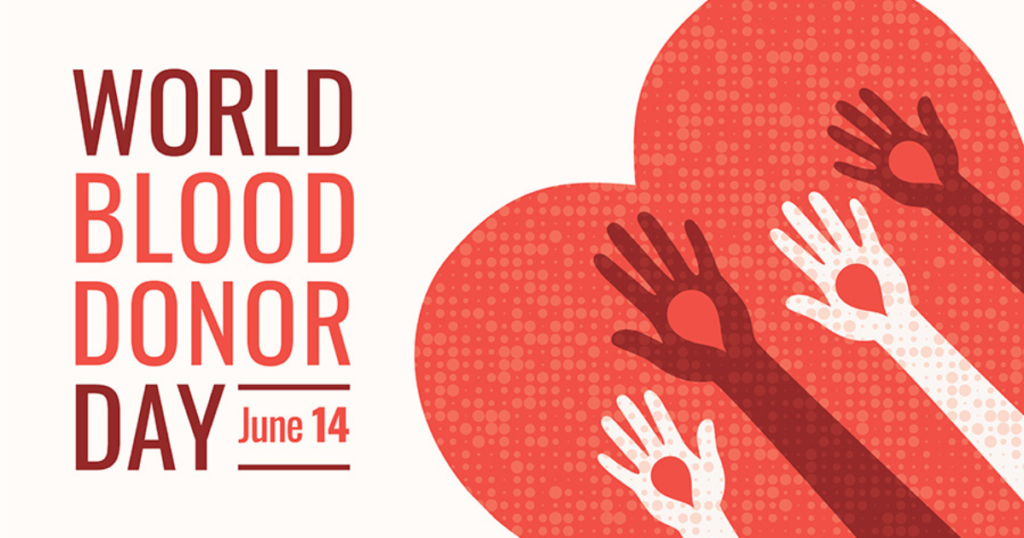
Every year, World Blood Donor Day reminds us of the importance of donating blood and helping others. Blood is something that hospitals need every day to treat patients who are sick, injured, or undergoing surgery. World Blood Donor Day is observed on 14 June each year. It celebrates the kindness of voluntary blood donors and encourages more people to donate blood regularly. Even though children are too young to donate blood, they can learn why this life-saving act matters and help spread awareness.
What is World Blood Donor Day?
World Blood Donor Day is a global awareness day organised by the World Health Organization. It honours people who donate blood and helps educate communities about the need for safe blood supplies. The date, 14 June, marks the birthday of Karl Landsteiner, the scientist who discovered the major blood groups.
Why is blood donation important?
Blood cannot be made in a factory. The only source of blood is healthy people who choose to donate it. Hospitals need blood for:
- Emergency accident treatment
- Major surgeries
- Cancer treatment
- Childbirth complications
- Patients with blood disorders such as thalassaemia
One blood donation can help several patients because donated blood can be separated into different components, such as red blood cells, plasma, and platelets.
Blood Donor guide to blood groups and donation compatibility
Doctors carefully match blood groups to make sure patients receive safe blood. The table below shows the main blood groups and who they can usually donate blood to.
| Blood type | Can donate to | Can receive from |
|---|---|---|
| O- | All blood types (Universal Donor) | O- |
| O+ | O+, A+, B+, AB+ | O-, O+ |
| A- | A-, A+, AB-, AB+ | O-, A- |
| A+ | A+, AB+ | O-, O+, A-, A+ |
| B- | B-, B+, AB-, AB+ | O-, B- |
| B+ | B+, AB+ | O-, O+, B-, B+ |
| AB- | AB-, AB+ | O-, A-, B-, AB- |
| AB+ | AB+ only | All blood types (Universal Recipient) |
Who can become a blood donor?
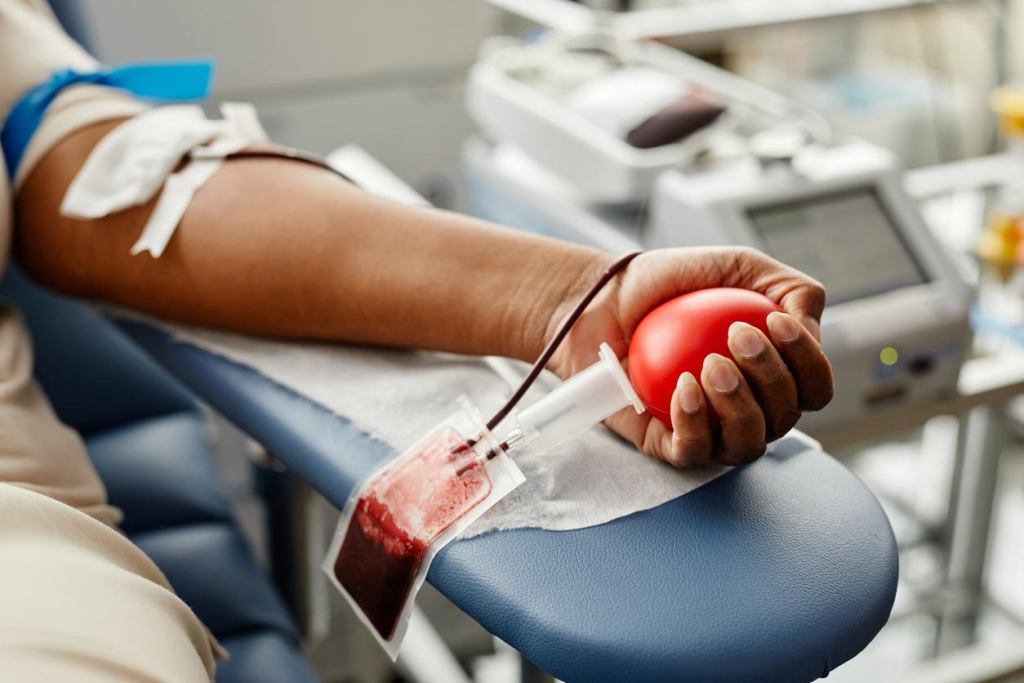
In most countries, healthy adults above a certain age and weight can donate blood. Medical staff carefully check donors before donation to make sure it is safe for both the donor and the patient receiving the blood. The process usually takes less than an hour, while the actual blood collection takes only a few minutes.
Amazing Blood Donor facts: Your body is full of it!
- An average adult has about 4.5 to 5.5 litres of blood.
- Blood carries oxygen and nutrients to every part of the body.
- The human heart pumps blood around the body all day and all night.
- Red blood cells travel through thousands of kilometres of blood vessels.
How can children help?
Children cannot donate blood yet, but they can:
- Learn about blood donation
- Thank blood donors for their generosity
- Share awareness messages at school and home
- Encourage family members to learn about donating blood
- Take part in health awareness activities
A small act that makes a big difference
Blood donation is one of the simplest ways adults can help save lives. A single donation can give hope to patients facing emergencies, illnesses, and surgeries. World Blood Donor Day reminds us that kindness and community support can make a real difference to people around the world.
FAQs about blood donation
1. Can children donate blood?
No. In most countries, blood donors must be adults and meet minimum age, weight, and health requirements. Children can help by learning about blood donation and spreading awareness.
2. Does donating blood hurt?
Most people feel only a quick pinprick when the needle is inserted. The process is generally safe and causes little discomfort.
3. How long does blood donation take?
The entire donation visit usually takes about 30 to 60 minutes. The actual blood collection often takes around 8 to 10 minutes.
4. How often can people donate blood?
The waiting period varies by country and type of donation. Many healthy adults can donate whole blood every few months.
5. What happens to donated blood?
After donation, the blood is tested for safety. It is then separated into different components, such as red blood cells, plasma, and platelets, before being sent to hospitals.
6. Can one blood donation save more than one life?
Yes. Because blood can be divided into different components, a single donation may help several patients with different medical needs.
7. What is a blood group?
A blood group is a way of classifying blood. The main blood groups are A, B, AB, and O, and each can be positive (+) or negative (−). Doctors use blood groups to match donors and patients safely.
8. What does ‘universal donor’ mean?
People with O negative (O−) blood are called universal donors because their red blood cells can be given to people with any blood type in emergencies.
9. What does ‘universal recipient’ mean?
People with AB positive (AB+) blood are called universal recipients because they can receive red blood cells from all blood types.
10. Why is blood type compatibility important?
Receiving the wrong blood type can cause a serious reaction in the body. That is why doctors carefully match blood donors and recipients before a transfusion.
Also read: World Kidney Day: What You Need to Know About Kidney Health and How to Start
Subscribe to The Junior Age Newspaper – click here. Know more fun facts on The Junior Age’s YouTube!