
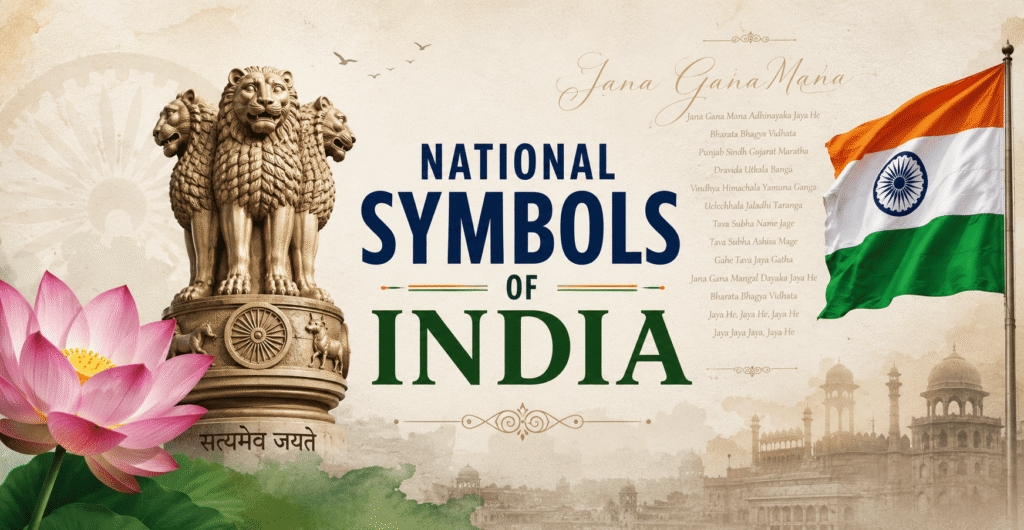
Every country has special symbols that represent its history, culture, values and identity. These symbols remind people of what makes their nation unique and help create a sense of pride and unity. India is home to a rich heritage, incredible wildlife, diverse cultures and a long history. To celebrate this diversity, the country has officially adopted several national symbols, from the majestic Bengal tiger to the tricolour National Flag. Each one tells an important story about India’s traditions, achievements and natural beauty. Let’s explore the national symbols of India and discover why they are so important.
National Symbols of India: A Complete Guide for Students
What are national symbols of India?
National symbols are official symbols chosen by a country to represent its identity, culture, history, nature and values. They help people recognise their nation and inspire feelings of unity, respect and patriotism. India has several official national symbols, each with its own fascinating story and significance.
National Flag of India
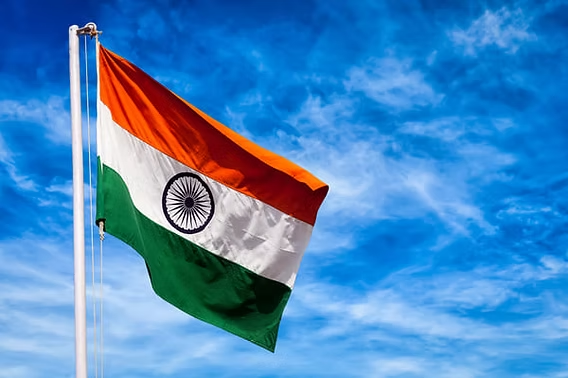
The National Flag of India, popularly called the Tiranga, was adopted on July 22, 1947, just weeks before India became independent. Pingali Venkayya designed it, while the Constituent Assembly approved the final design with the navy blue Ashoka Chakra. The flag symbolises India’s freedom, unity, courage, peace and progress, making it one of the country’s most respected national symbols.
Why was it chosen?
- The saffron band represents courage and sacrifice.
- The white band stands for peace and truth.
- The green band symbolises faith, growth and prosperity.
- The navy blue Ashoka Chakra, with 24 spokes, represents justice, progress and continuous movement.
National Emblem of India
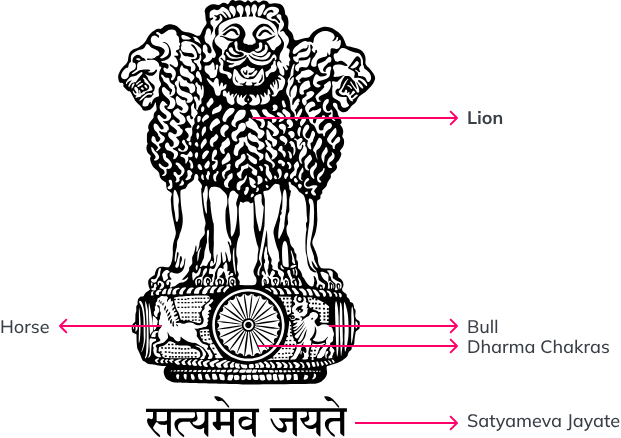
The National Emblem of India was adopted on January 26, 1950, the day India became a republic. It is an adaptation of the Lion Capital of Ashoka at Sarnath, which was built by Emperor Ashoka in the 3rd century BCE. The emblem appears on government documents, passports, currency, official seals and court buildings, symbolising the authority, values and sovereignty of the Republic of India.
Why was it chosen?
- The four Asiatic lions represent power, courage, confidence and pride. Only three lions are visible in the front view, while the fourth is hidden at the back.
- The circular base (abacus) features a bull and a galloping horse, separated by Ashoka Chakras. In the original Lion Capital, an elephant and a lion also appear on the reverse side.
- The bull symbolises strength, hard work and determination.
- The horse represents speed, energy and progress.
- The Ashoka Chakra, with its 24 spokes, stands for justice, righteousness and continuous progress.
- Below the emblem is the national motto, Satyameva Jayate, which means Truth Alone Triumphs. It is taken from the Mundaka Upanishad, an ancient Hindu scripture.
- The emblem reminds citizens that India stands for truth, justice, peace and good governance.
National Anthem of India
The National Anthem of India, Jana Gana Mana, was written by Rabindranath Tagore. It was officially adopted on January 24, 1950, two days before India became a republic. The anthem celebrates the unity and diversity of India and is sung during national ceremonies, school assemblies and important public events.
Why was it chosen?
- It celebrates India’s unity despite its many languages, cultures and regions.
- It inspires patriotism and national pride.
- It reminds citizens that the country belongs to everyone.
National Song of India
The National Song of India, Vande Mataram, was written by Bankim Chandra Chattopadhyay and first appeared in his novel Anandamath in 1882. It was officially given the status of National Song on January 24, 1950. During the freedom movement, it became a powerful symbol of patriotism and inspired many Indians to fight for independence.
Why was it chosen?
- It inspired millions during India’s freedom struggle.
- It expresses love and respect for the motherland.
- It remains an important symbol of patriotism.
National Animal of India
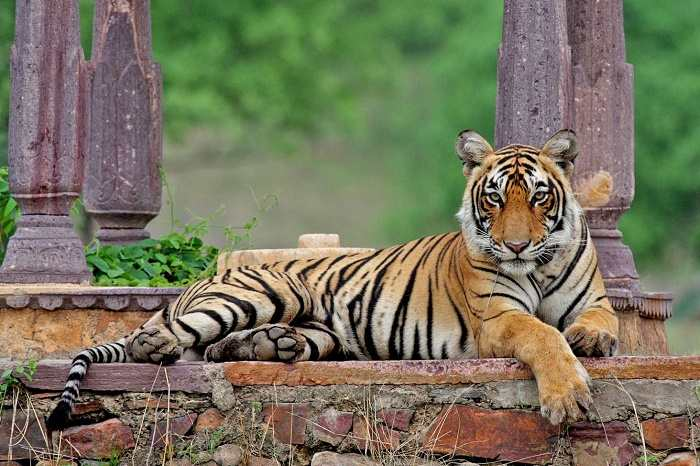
The Royal Bengal Tiger became India’s National Animal in 1973, replacing the Asiatic lion. It was chosen because of its strength, courage, beauty and importance in India’s forests. The tiger is also an umbrella species, meaning that protecting it helps conserve entire forest ecosystems and the many plants and animals living there.
Why was it chosen?
- It symbolises strength, courage and confidence.
- It represents India’s rich wildlife.
- Protecting tigers also protects forests and biodiversity.
National Bird of India
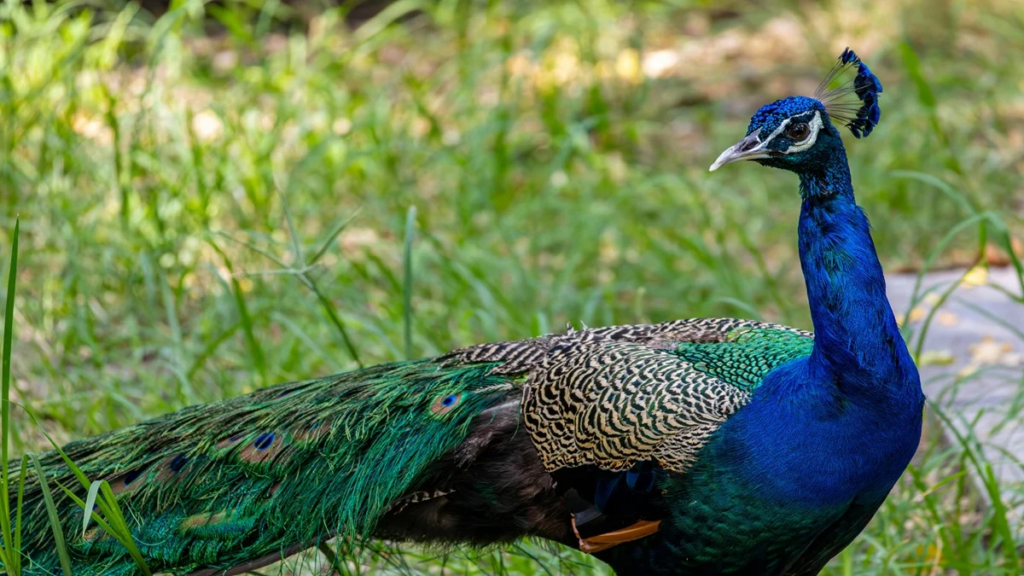
The Indian Peacock was declared India’s National Bird in 1963. Known for its colourful feathers and graceful dance during the monsoon, the peacock is found across much of the country. It also holds cultural and religious importance in Indian traditions.
Why was it chosen?
- It is native to India and easy to recognise.
- It symbolises beauty, grace and pride.
- It has deep cultural and historical significance.
National Flower of India
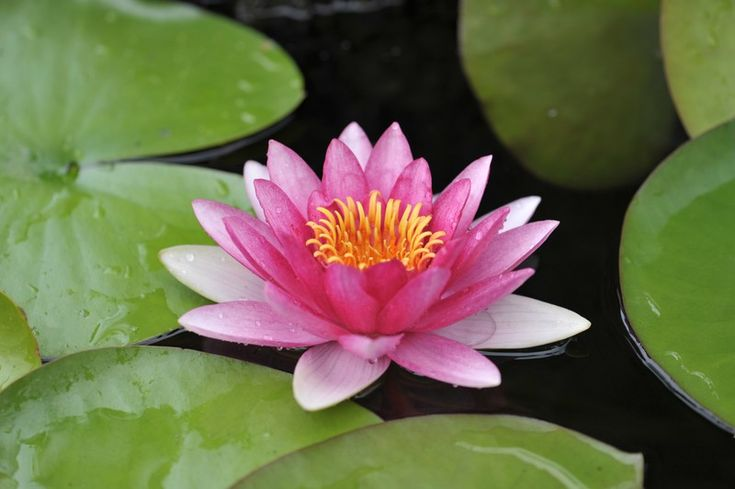
The Lotus is India’s National Flower. It has been an important symbol in Indian culture, art and religion for thousands of years. The lotus grows in muddy water but blooms into a beautiful flower, making it a symbol of purity, resilience and spiritual growth.
Why was it chosen?
- It represents purity and strength.
- It symbolises rising above difficulties.
- It has deep cultural and historical importance.
National Tree of India
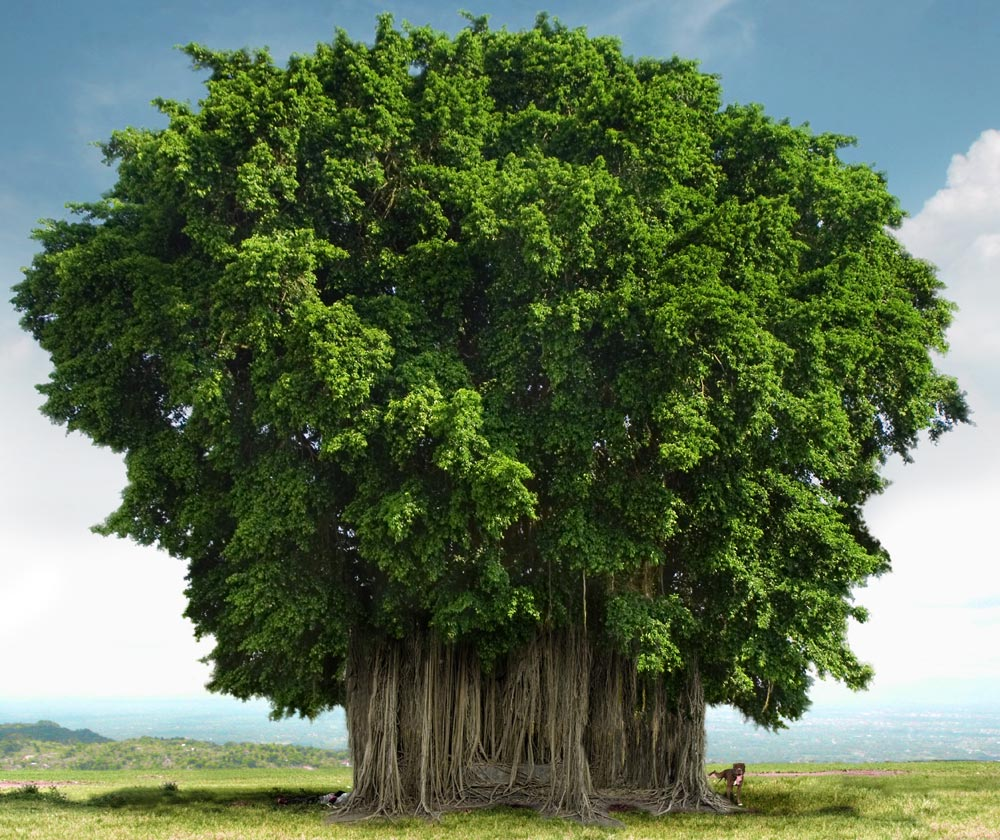
The Banyan Tree is India’s National Tree. Famous for its huge canopy and long aerial roots, it can live for hundreds of years and provide shelter to countless birds, animals and people. It symbolises longevity, stability and unity.
Why was it chosen?
- It has a very long lifespan.
- It provides shade and shelter for many living creatures.
- It symbolises strength, wisdom and endurance.
National River of India
The Ganga was declared the National River of India in 2008. Flowing for more than 2,500 kilometres from the Himalayas to the Bay of Bengal, it supports millions of people by providing water for drinking, farming and industry. The river also holds immense cultural and spiritual importance.

Why was it chosen?
- It supports millions of people.
- It is one of India’s most important rivers.
- It has great historical, cultural and spiritual significance.
National Aquatic Animal of India
The Ganges River Dolphin was declared India’s National Aquatic Animal in 2009. This nearly blind freshwater dolphin uses echolocation to navigate and hunt in murky river waters. It is an indicator of healthy rivers, making its conservation especially important.

Why was it chosen?
- It represents the health of India’s rivers.
- It is unique to the Indian subcontinent.
- Protecting it helps conserve freshwater ecosystems.
National Heritage Animal of India
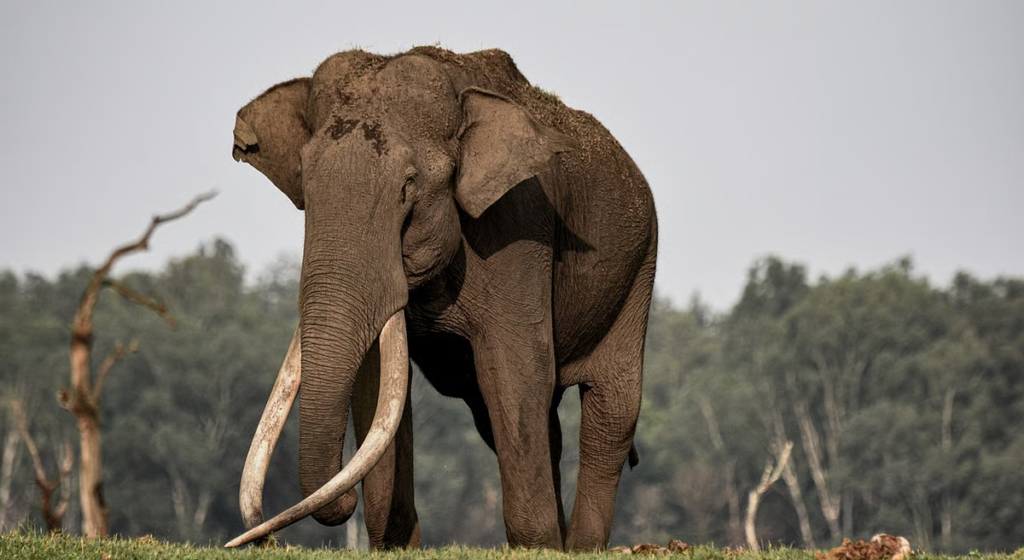
The Indian Elephant was declared the National Heritage Animal in 2010. Elephants have played an important role in India’s history, culture and forests for centuries. Today, they are protected because they help maintain healthy forest ecosystems by spreading seeds and creating pathways for other wildlife.
Why was it chosen?
- It has great cultural and historical importance.
- It plays a key role in maintaining forests.
- It represents wisdom, strength and harmony between humans and nature.
Also read: Independence Day vs Republic Day: What’s the Difference?
FAQs – National Symbols of India
1. What are the national symbols of India?
Answer: The national symbols of India are official symbols that represent the country’s identity, history, culture, wildlife and values. They include the National Flag, National Emblem, National Anthem, National Song, National Animal, National Bird, National Flower, National Tree, National Fruit, National River, National Aquatic Animal and more.
2. Why are national symbols important?
Answer: National symbols help unite people, celebrate the country’s heritage and remind citizens of India’s culture, achievements and shared values.
3. Which is the National Animal of India?
Answer: The Royal Bengal Tiger is the National Animal of India. It was declared the national animal in 1973 because it symbolises strength, courage and India’s rich wildlife.
4. Who designed the National Flag of India?
Answer: The National Flag of India was designed by Pingali Venkayya. The present design, featuring the Ashoka Chakra, was adopted on July 22, 1947.
5. What is the meaning of the Ashoka Chakra?
Answer: The Ashoka Chakra has 24 spokes and represents justice, progress, righteousness and continuous movement. It reminds citizens to keep moving forward with honesty and responsibility.
6. What is the National Emblem of India?
Answer: The National Emblem is an adaptation of the Lion Capital of Ashoka at Sarnath. It was adopted on January 26, 1950, and features four Asiatic lions with the motto Satyameva Jayate, meaning Truth Alone Triumphs.
7. Which is the National Bird of India?
Answer: The Indian Peacock is the National Bird of India. It was chosen because of its beauty, widespread presence across the country and cultural significance.
8. What is the difference between the National Anthem and the National Song?
Answer: Jana Gana Mana is India’s National Anthem, while Vande Mataram is the National Song. Both are important patriotic compositions, but they have different official statuses.
9. Which is the National River of India?
Answer: The Ganga is the National River of India. It supports millions of people and has immense historical, cultural and spiritual importance.
10. How many official national symbols does India have?
Answer: India has several officially recognised national symbols, including the National Flag, National Emblem, National Anthem, National Song, National Animal, National Bird, National Flower, National Tree, National Fruit, National River, National Aquatic Animal, National Heritage Animal and others recognised by the Government of India.
You may also like to read:
- Top 50: The Firsts of India Every Child Should Know!
- Ultimate Patriotic Movies To Watch With Kids
- The Jallianwala Bagh Massacre: A Story Every Child Should Know
- Subhas Chandra Bose: Life, Struggle, and Legacy of Netaji
- All You Need To Know About The Key Figures in India’s Freedom Struggle
- Everything You Need To Know About India’s Republic Day
- Everything You Need To Know About The Constitution Of India
- Independent India’s Historic Milestones
Also, learn all about India with – Exploring India Flash Cards
Subscribe to The Junior Age Newspaper – click here. Know more fun facts on The Junior Age’s YouTube!