
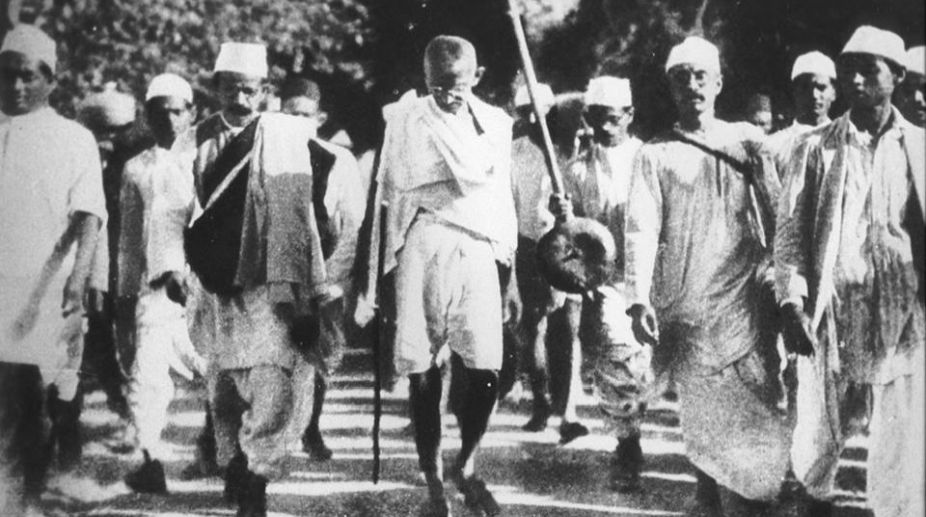
India’s freedom was not won overnight. It was the result of decades of courage, determination and peaceful protests led by millions of ordinary people and great leaders alike. One of the most powerful moments in this struggle came in 1942, when Mahatma Gandhi called on Indians to demand an immediate end to British rule. Known as the Quit India Movement, this nationwide campaign united people from all walks of life. Although many leaders were arrested within hours, the movement inspired people across the country to continue the fight for freedom. It became a turning point that showed Britain that Indians would no longer accept colonial rule. Let’s explore the story of the Quit India Movement, why it began and how it helped India move closer to Independence.
What was the Quit India Movement?
The Quit India Movement was a mass civil disobedience movement launched by the Indian National Congress on August 8, 1942, at the All India Congress Committee meeting held at Gowalia Tank Maidan in Bombay (now August Kranti Maidan, Mumbai). Led by Mahatma Gandhi, the movement demanded that the British leave India immediately. Mahatma Gandhi urged people to remain peaceful but determined and gave the famous call: Do or Die. The slogan meant that Indians should continue the struggle for freedom without giving up, while following the principle of non-violence.
Why was the Quit India Movement launched?
By 1942, many Indians had lost patience with British rule. Several events had increased public anger and strengthened the demand for complete independence.
World War II
When World War II began in 1939, Britain declared India a part of the war without consulting Indian leaders. Many people felt this was unfair because India was still under British control.
Failure of the Cripps Mission
In March 1942, the British Government sent Sir Stafford Cripps to India with proposals for limited self-government after the war. However, the proposals did not promise immediate independence and allowed provinces to opt out of a future Indian Union. The Indian National Congress rejected the proposals, believing they did not give Indians real control over their own country.
Growing demand for complete independence
By this time, millions of Indians believed that only complete freedom could secure the country’s future. The demand for British rule to end immediately grew stronger than ever.
The historic meeting at Gowalia Tank
On the evening of August 8, 1942, thousands of people gathered at Gowalia Tank Maidan in Bombay. Mahatma Gandhi addressed the crowd and asked every Indian to take part in the struggle peacefully. During his speech, he gave the unforgettable slogan: Do or Die.
The resolution demanding the immediate withdrawal of British rule was passed by the Indian National Congress.
What happened after the movement began?
The British Government acted quickly. In the early hours of August 9, 1942, Mahatma Gandhi, Jawaharlal Nehru, Sardar Vallabhbhai Patel, Maulana Abul Kalam Azad and almost all senior Congress leaders were arrested. The British hoped the arrests would stop the movement. Instead, people across India organised protests, strikes and demonstrations on their own.
How did people participate in the Quit India Movement 1942?
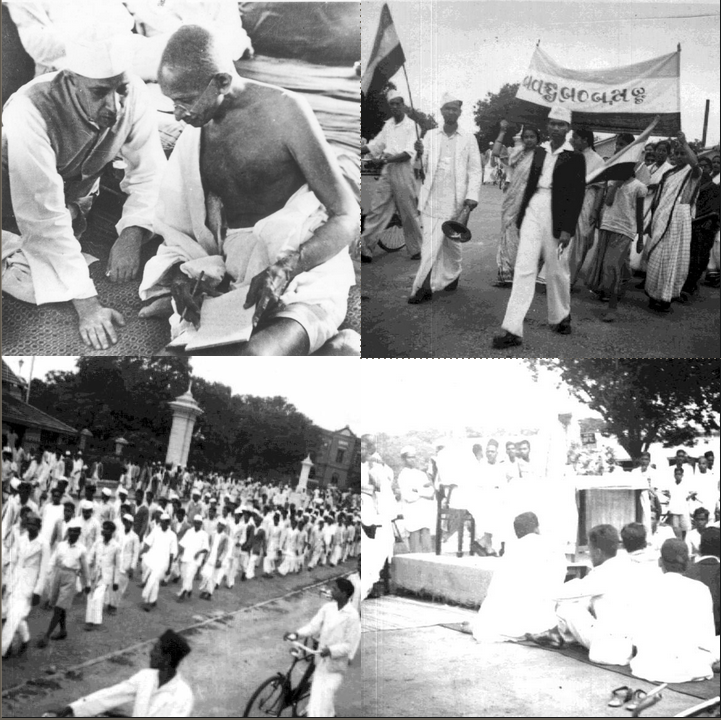
Although there was no central leadership after the arrests, people continued the movement in many ways.
Peaceful protests
- Thousands of people organised marches and public meetings.
- Students, teachers and workers joined demonstrations.
- Many people refused to cooperate with the British administration.
Strikes
- Workers in factories and offices went on strike.
- Shops and educational institutions closed in many places.
Underground activities
Some freedom fighters worked secretly to spread information after newspapers were censored and leaders were imprisoned. They distributed leaflets, organised secret meetings and ran underground radio broadcasts to encourage people to continue the movement.
How did the British respond?
The British Government tried to suppress the movement through strict action.
- Thousands of people were arrested.
- Public meetings were banned.
- Newspapers faced censorship.
- Police used force to break up demonstrations.
- In several places, violence broke out despite Gandhi’s call for non-violence.
By the end of the movement, more than 60,000 people had been arrested, while some estimates place the number much higher.
Why was the Quit India Movement important?
Although India did not become free immediately after 1942, the movement had a lasting impact.
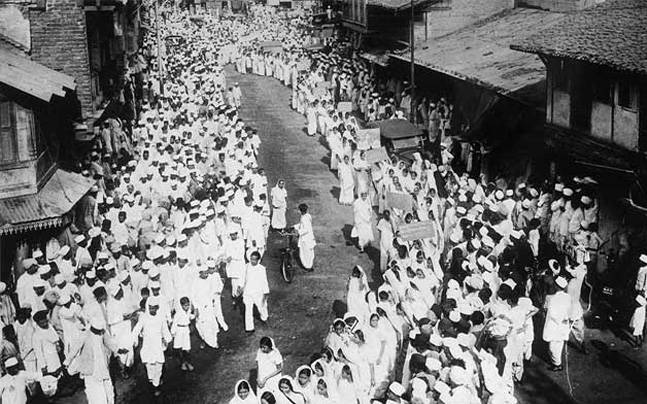
It united the nation
People from cities, towns and villages joined together with the common goal of freedom.
It showed Britain’s weakening control
Even after arresting the top leaders, the British could not stop the movement completely.
It inspired ordinary citizens
The movement proved that India’s freedom struggle belonged not only to famous leaders but also to students, farmers, workers and ordinary families.
It paved the way for Independence
After World War II ended in 1945, Britain faced increasing economic and political pressure. Along with many other factors, the Quit India Movement convinced British leaders that governing India against the wishes of its people could not continue.
India finally achieved Independence on August 15, 1947.
Frequently asked questions about the Quit India Movement
1. What was the Quit India Movement?
Answer: The Quit India Movement was a mass movement launched by the Indian National Congress on August 8, 1942, demanding that the British leave India immediately.
2. Why was the Quit India Movement started?
Answer: It was started because Indians wanted immediate independence, were unhappy with British rule during World War II and rejected the proposals of the Cripps Mission.
3. Who gave the Do or Die slogan?
Answer: Mahatma Gandhi gave the famous Do or Die call during his speech at Gowalia Tank Maidan on August 8, 1942.
4. Where was the Quit India Movement launched?
Answer: It was launched at Gowalia Tank Maidan in Bombay, now known as August Kranti Maidan in Mumbai.
5. What happened after the movement began?
Answer: Most Congress leaders were arrested on August 9, 1942, but protests, strikes and underground activities continued across India.
6. Who were some important leaders of the Quit India Movement?
Answer: Mahatma Gandhi, Jawaharlal Nehru, Sardar Vallabhbhai Patel, Maulana Abul Kalam Azad, Aruna Asaf Ali and Usha Mehta were among the key figures associated with the movement.
7. Why is the Quit India Movement important in Indian history?
Answer: It united millions of Indians, strengthened the demand for complete independence and became one of the final major movements that led to India’s freedom in 1947.
You may also like to read:
- National Symbols of India Explained for Kids
- Top 50: The Firsts of India Every Child Should Know!
- Ultimate Patriotic Movies To Watch With Kids
- The Jallianwala Bagh Massacre: A Story Every Child Should Know
- Subhas Chandra Bose: Life, Struggle, and Legacy of Netaji
- All You Need To Know About The Key Figures in India’s Freedom Struggle
- Everything You Need To Know About India’s Republic Day
- Everything You Need To Know About The Constitution Of India
- Independent India’s Historic Milestones