
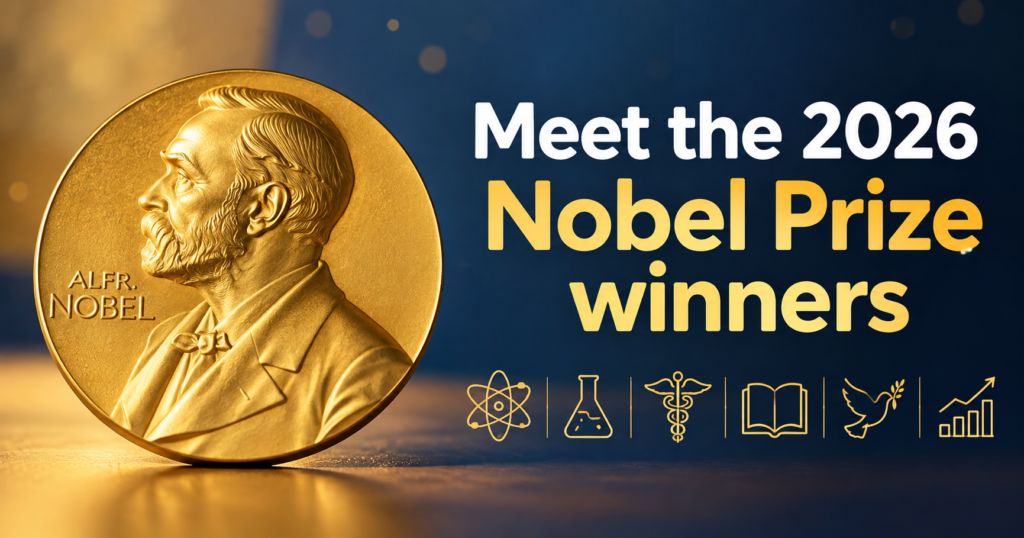
The 2026 Nobel Prize is one of the world’s highest honours. It recognises work that benefits humanity in six fields: Physics, Chemistry, Physiology or Medicine, Literature, Peace and Economic Sciences. The prizes were established using the fortune left by Swedish scientist and inventor Alfred Nobel, who invented dynamite. The 2026 winners were announced between October 5 and October 12. They will receive their awards on December 10, 2026, the anniversary of Alfred Nobel’s death. The Peace Prize ceremony will take place in Oslo, Norway, while the other awards will be presented in Stockholm, Sweden.
Meet the 2026 Nobel Prize winners:
2026 Nobel Prize in Physics: Francis Halzen
Physicist Francis Halzen won the Nobel Prize in Physics for his work on the IceCube Neutrino Observatory in Antarctica. The observatory uses thousands of light sensors buried deep beneath the ice to detect high-energy neutrinos, tiny particles that travel through matter almost unnoticed. Studying them helps scientists investigate powerful events in the universe.
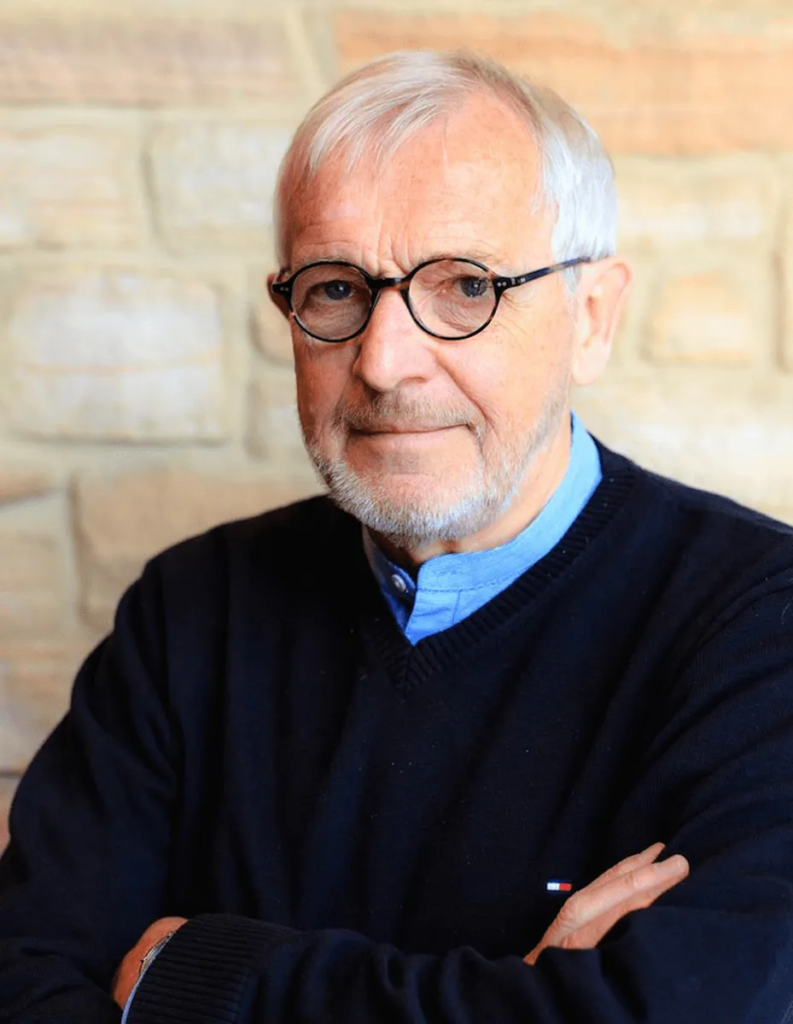
Chemistry: Henri B. Kagan and Kenso Soai
Henri B. Kagan and Kenso Soai jointly received the Nobel Prize in Chemistry for work on reactions that produce more of one mirror-image form of a molecule than another. This is linked to asymmetric synthesis, a method used to make molecules with a particular shape. Such research is important in chemistry and the development of medicines.
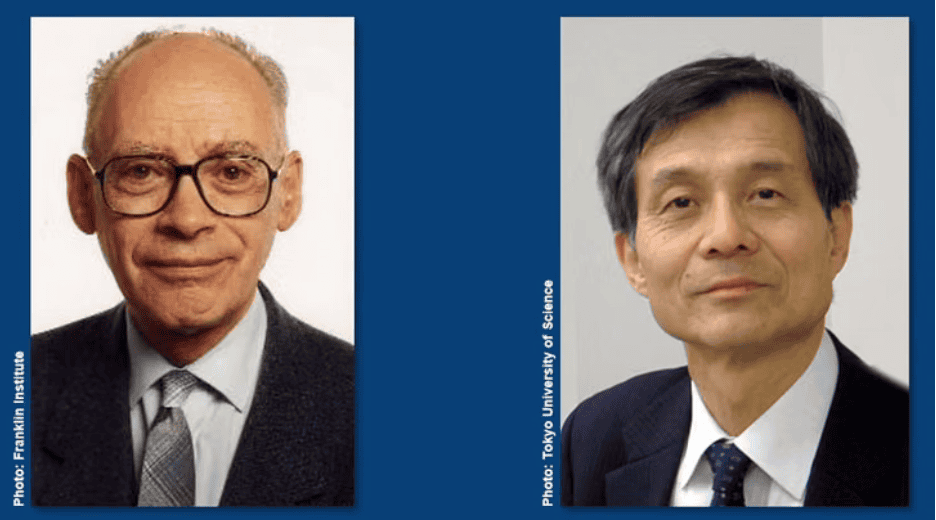
Physiology or Medicine: Karl Deisseroth, Peter Hegemann and Georg Nagel
Karl Deisseroth, Peter Hegemann and Georg Nagel shared the Nobel Prize in Physiology or Medicine for discoveries that helped scientists control nerve cells using light. Their work led to optogenetics, a technique that uses light-sensitive proteins to switch selected nerve cells on or off. It allows researchers to study how the brain and nervous system work.
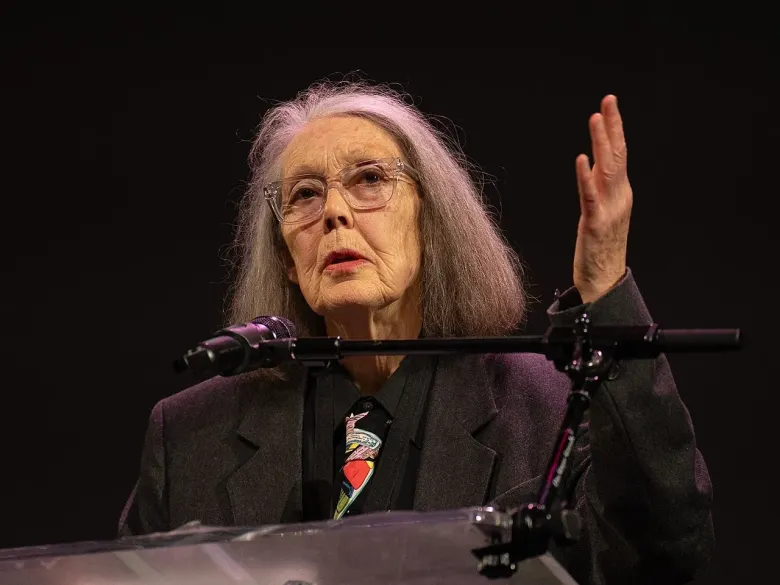
Literature: Anne Carson
Canadian poet, essayist and translator Anne Carson won the Nobel Prize in Literature for her innovative writing. Her work often blends poetry, classical literature and modern ideas, drawing on ancient Greek stories and texts to explore human emotions and experiences in unusual ways.
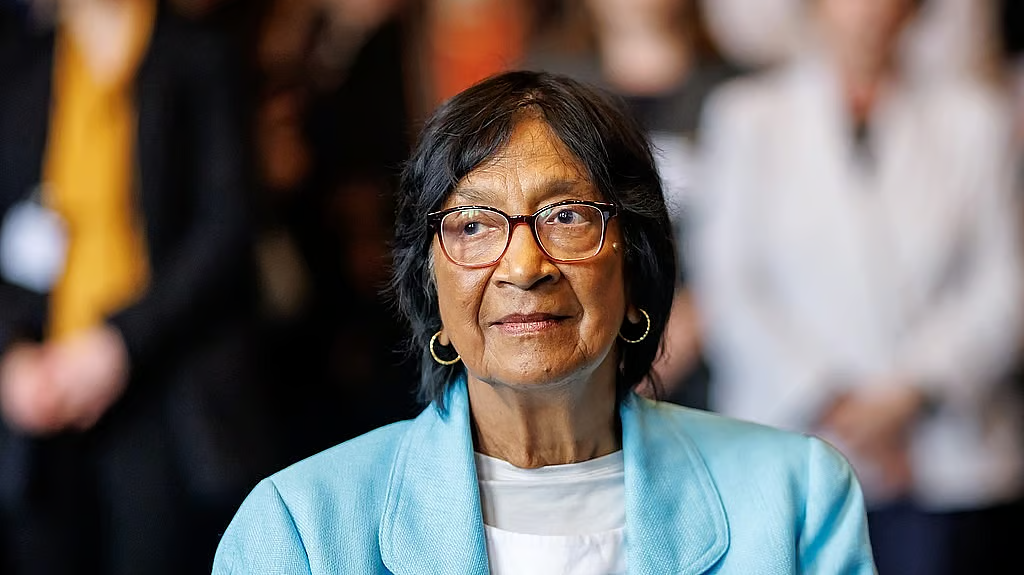
2026 Nobel Prize in Peace: Navanethem Navi Pillay
South African lawyer Navanethem Navi Pillay, a former United Nations High Commissioner for Human Rights, received the Nobel Peace Prize for her efforts to promote peace and international law. Her career has included work on human rights and international justice, including efforts to hold those responsible for serious international crimes accountable.
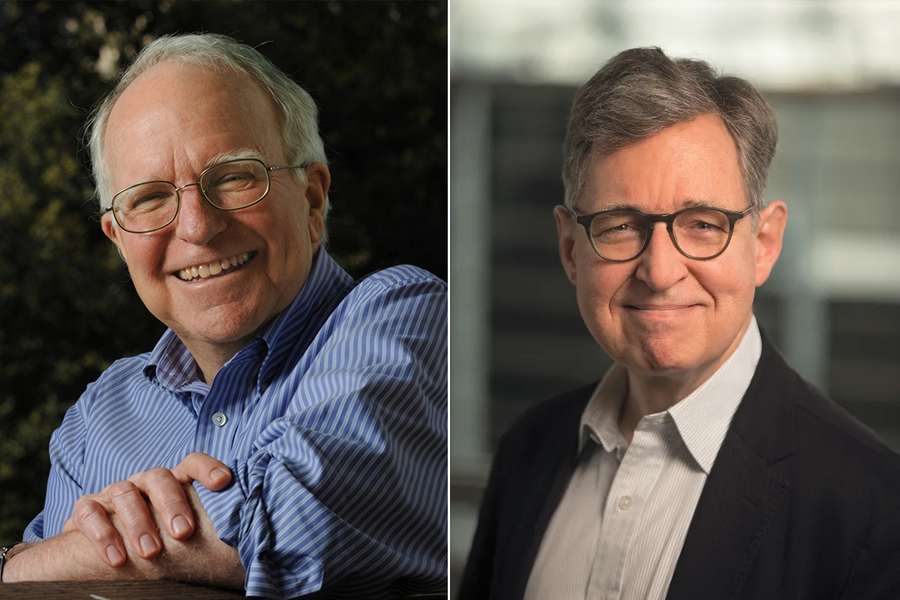
Economic Sciences: Robert E. Hall and Michael Woodford
Economists Robert E. Hall and Michael Woodford jointly won the Nobel Prize in Economic Sciences for research that has helped shape modern economic models and policy. Their work helps explain how households and businesses make decisions, and how spending, prices and people’s expectations influence the wider economy. These insights can help governments and central banks respond to economic changes.
FAQs about the 2026 Nobel Prize
When were the 2026 Nobel Prize winners announced?
The winners were announced between October 5 and October 12, 2026.
When will the Nobel Prizes be presented?
The awards will be presented on December 10, 2026. The date marks the anniversary of Alfred Nobel’s death.
Where are the Nobel Prize ceremonies held?
The Nobel Peace Prize ceremony takes place in Oslo, Norway. The other Nobel Prize ceremonies take place in Stockholm, Sweden.
Why are there six Nobel Prize categories?
Alfred Nobel’s will established five original categories: Physics, Chemistry, Physiology or Medicine, Literature and Peace. Economic Sciences was added later through a prize established by Sweden’s central bank in memory of Alfred Nobel.
When was the first Nobel Prize awarded?
The first Nobel Prizes were awarded in 1901, in the five original categories.
Is the Economics prize one of Alfred Nobel’s original prizes?
No. Sweden’s central bank established the Prize in Economic Sciences in Memory of Alfred Nobel in 1968, and it was first awarded in 1969.
Did you know? Alfred Nobel held 355 patents during his lifetime. Although he is widely known for inventing dynamite, his fortune helped establish prizes recognising achievements across science, literature and peace.
Also read:
- Know the Nobel Prize 2025 winners
- Francis Halzen wins the 2026 Nobel Prize in Physics
- .Who won the 2026 Nobel Prize in Medicine? Meet the three scientists
- 10 Indian scientists who made history with amazing discoveries
- Top 50: The firsts of India every child should know
Subscribe to The Junior Age Newspaper – click here. Know more fun facts on The Junior Age’s YouTube!