
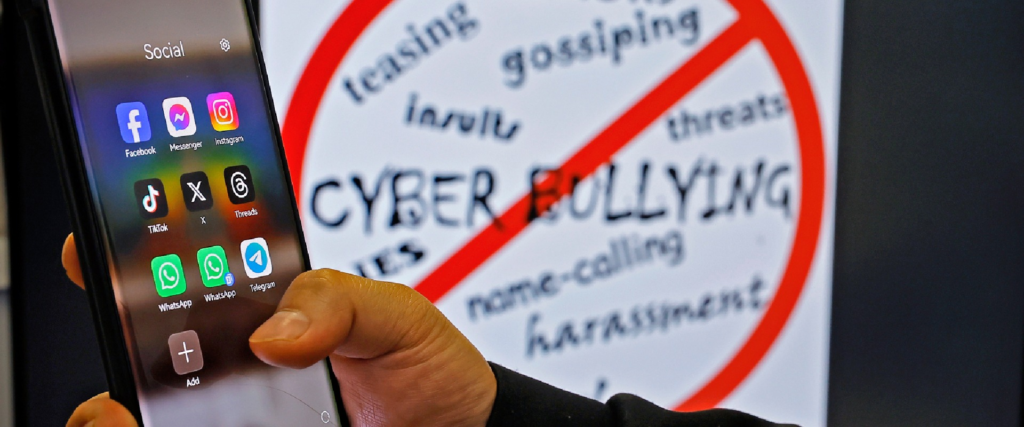
Children today spend a large part of their lives online. They chat with friends, play games, watch videos, and learn new things through the internet. But as digital spaces grow, so do the risks that come with them. Cyberbullying has become one of the biggest online safety concerns for children around the world. A new global survey on cyberbullying conducted by the United Nations Special Representative on Violence Against Children highlights how serious the problem has become. The study asked thousands of children about their online experiences and found that bullying on digital platforms is rising rapidly. Experts are also warning that new technologies such as artificial intelligence may make online abuse even more harmful if misused.
What the UN survey reveals about cyberbullying?
Key findings from the global study
A survey of more than 30,000 children from different parts of the world revealed several worrying trends about online safety:
- 2 in 3 children say cyberbullying is increasing: Many children believe that bullying on the internet is becoming more common than before.
- Over 30,000 children took part in the survey: Researchers gathered responses from children worldwide to better understand their digital experiences.
- 1 in 2 children do not know where to report online bullying: A large number of children said they are unsure how to seek help when harassment happens online.
- Artificial intelligence can worsen online abuse: The report warns that AI tools can be misused to create deepfakes, fake images, and targeted abusive messages, making cyberbullying more difficult to detect and control.
The United Nations says the findings highlight the urgent need to build safer digital environments designed specifically for children.
What is cyberbullying?
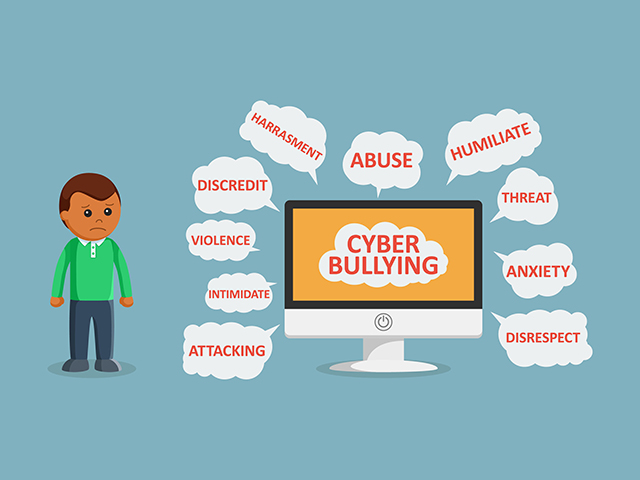
Cyberbullying is bullying that happens through phones, computers, tablets, gaming platforms, or social media websites. It can include:
- Sending cruel or threatening messages
- Spreading rumours online
- Sharing embarrassing photos or videos
- Posting hurtful comments on social media
- Excluding someone from online groups
Unlike traditional bullying that happens at school or in person, cyberbullying can follow a child everywhere through their device.
Why cyberbullying can be more harmful
The UN report explains that online bullying can sometimes feel even more overwhelming than face-to-face bullying. One reason is that it can happen at any time of the day or night, leaving children feeling like there is no escape. Hurtful posts or messages can also spread instantly to large audiences, which may make the situation more embarrassing or stressful.
Another challenge is that photos, videos, and messages shared online can remain on the internet for a long time, even after they are deleted. In many cases, bullies may also hide behind anonymous accounts, making it harder to identify them. These factors can make cyberbullying emotionally difficult for children to deal with.
What solutions does the UN suggest?
The United Nations says that preventing cyberbullying requires cooperation from governments, technology companies, schools, families, and children themselves.
- Governments should introduce stronger laws and policies to protect children in digital spaces.
- Technology companies must design online platforms that prioritise child safety from the start.
- Schools should include digital safety and responsible online behaviour in their learning programmes.
- Parents and teachers should talk openly with children about their online experiences so problems can be addressed early.
- The UN also emphasises that children should be involved in creating solutions, as they understand the digital world in unique ways.
Smart online safety tips for children
Children can also take simple steps to protect themselves online.
- Think before sharing – Avoid posting personal information such as home addresses, phone numbers, or school details.
- Use privacy settings – Keep accounts private and accept friend requests only from people you know in real life.
- Do not respond to hurtful messages– If someone sends mean messages, avoid replying. Blocking or muting the person can help stop the situation.
- Tell a trusted adult – Parents, teachers, or school counsellors can help when something online feels upsetting or unsafe.
- Report bullying – Most apps and online platforms include a report feature that can help stop harmful behaviour.
The Junior Age wellbeing corner: if you feel upset online
- Sometimes, online experiences can affect how children feel. If something on the internet causes sadness, fear, or anger, it is important to pause and take care of your wellbeing.
- Take a moment to step away from the screen and breathe slowly. Talking about your feelings with someone you trust can help you feel supported and safe.
- Remember that hurtful words online do not define who you are. Everyone deserves respect and kindness.
- Taking a short digital break by going outside, playing, reading, or spending time with family can help your mind relax and feel better again.
Subscribe to The Junior Age Newspaper – click here. Know more fun facts on The Junior Age’s YouTube!