
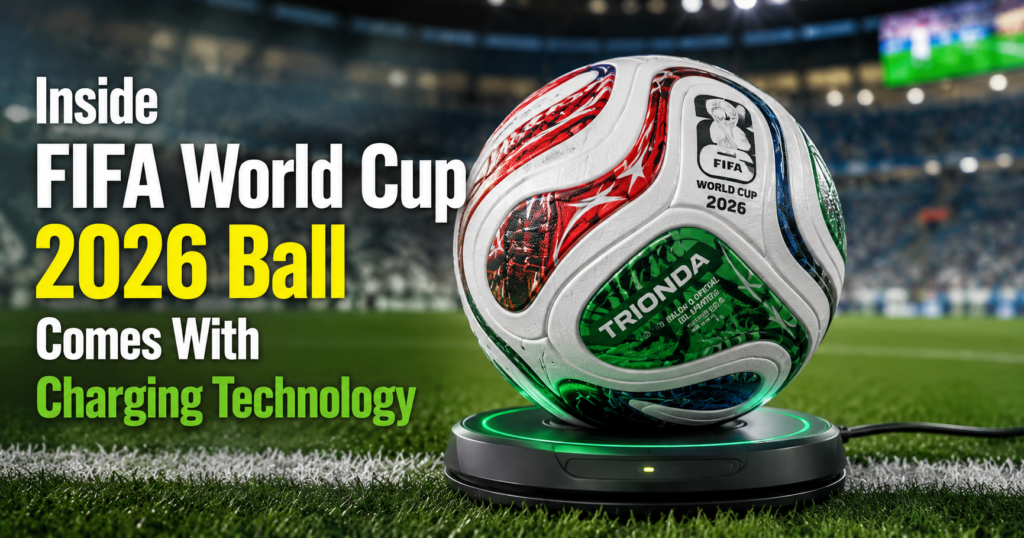
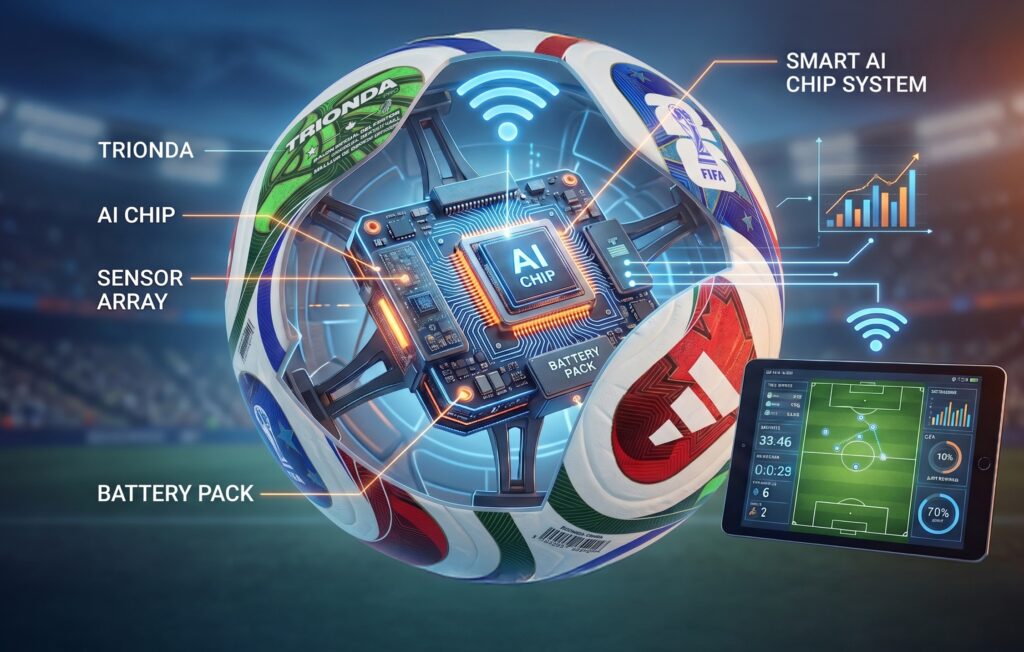
Football is entering a new tech era! The official FIFA World Cup 2026 ball is expected to be one of the smartest footballs ever created. Designed by Adidas, the new Adidas Trionda football is packed with advanced technology, including an internal motion sensor that tracks the ball’s movement in real time. What surprised many football fans is this: the ball needs to be charged before matches. Just like a smartwatch or wireless earbuds, the Trionda contains electronics inside the ball that require battery power to operate during games and training sessions. Unlike traditional footballs, the Trionda contains electronic technology inside the ball. These systems require battery power to track movement, detect touches, and communicate with match officials during games. Know all about it here!
FIFA World Cup 2026 ball: Why the new Adidas Trionda football needs charging before matches
What makes the FIFA World Cup 2026 ball special?
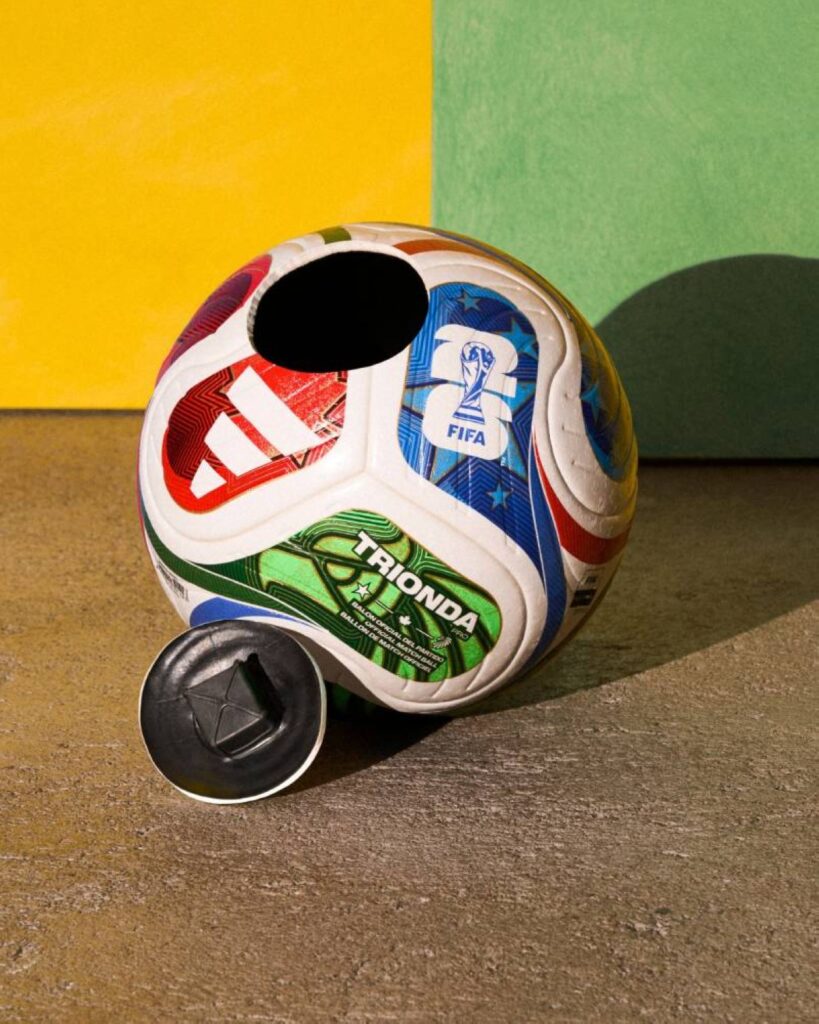
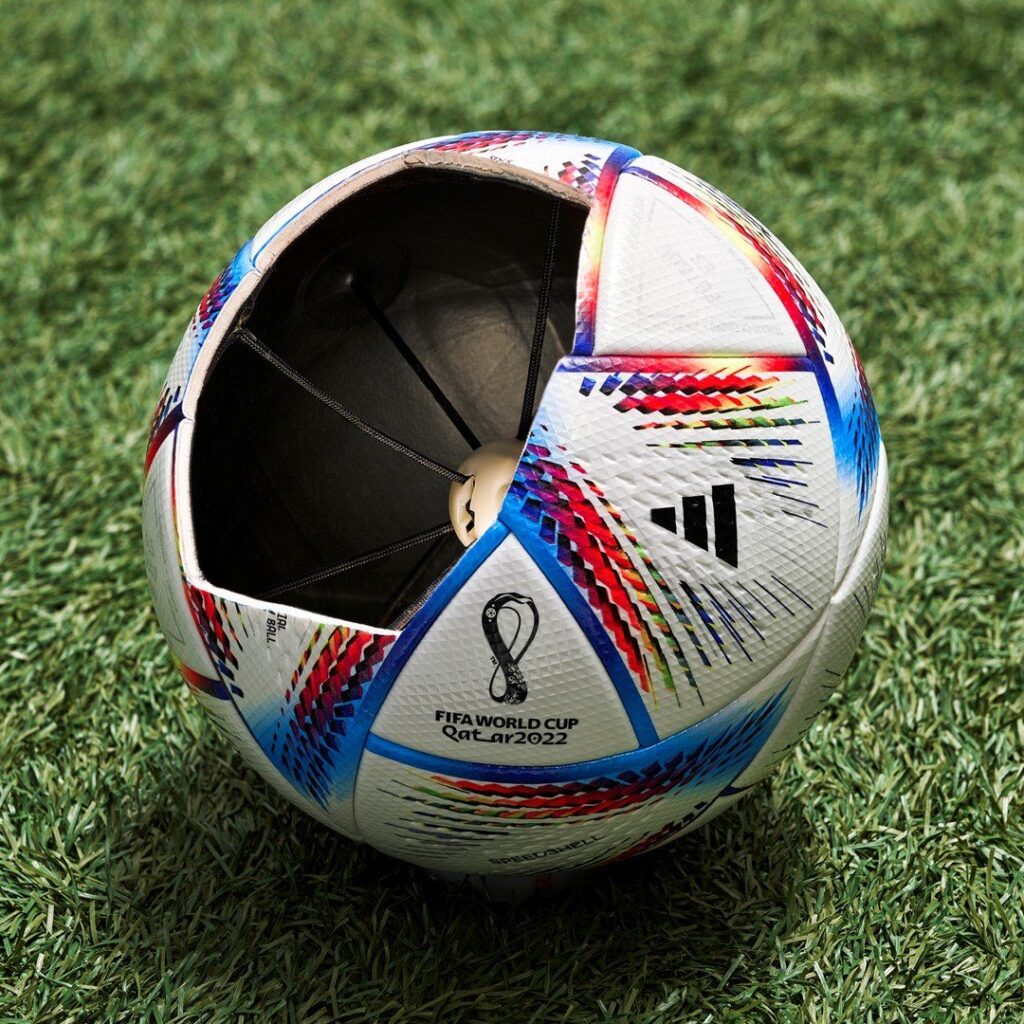
The Adidas Trionda is a connected smart football designed for modern football technology systems. Inside the ball is a tiny sensor that continuously tracks how the football moves during a match.
Motion tracking at 500 times per second
The internal sensor operates at 500Hz, meaning it records movement data 500 times every second. This allows the FIFA World Cup 2026 ball to measure:
- Ball speed
- Spin and curve
- Direction changes
- Flight trajectory
The system provides highly detailed live tracking data throughout matches.
Detecting the exact moment of contact
The smart sensor can detect the precise millisecond a player touches or kicks the ball. This helps officials analyse fast match situations more accurately during important moments.
Supporting VAR and offside decisions
The FIFA World Cup 2026 ball shares live movement data with multiple stadium cameras to build a real-time 3D view of the pitch. This helps Video Assistant Referee systems analyse offside calls, goal-line situations, and player touches more quickly and accurately during matches. The technology is part of FIFA’s growing use of semi-automated officiating systems in major tournaments.
Check out the: FIFA World Cup 2026: Dates And Full Match Schedule
Why does the FIFA World Cup 2026 ball need charging?
Unlike regular footballs, the Adidas Trionda contains electronic components that require battery power before matches begin.
- Wireless charging before kick-off
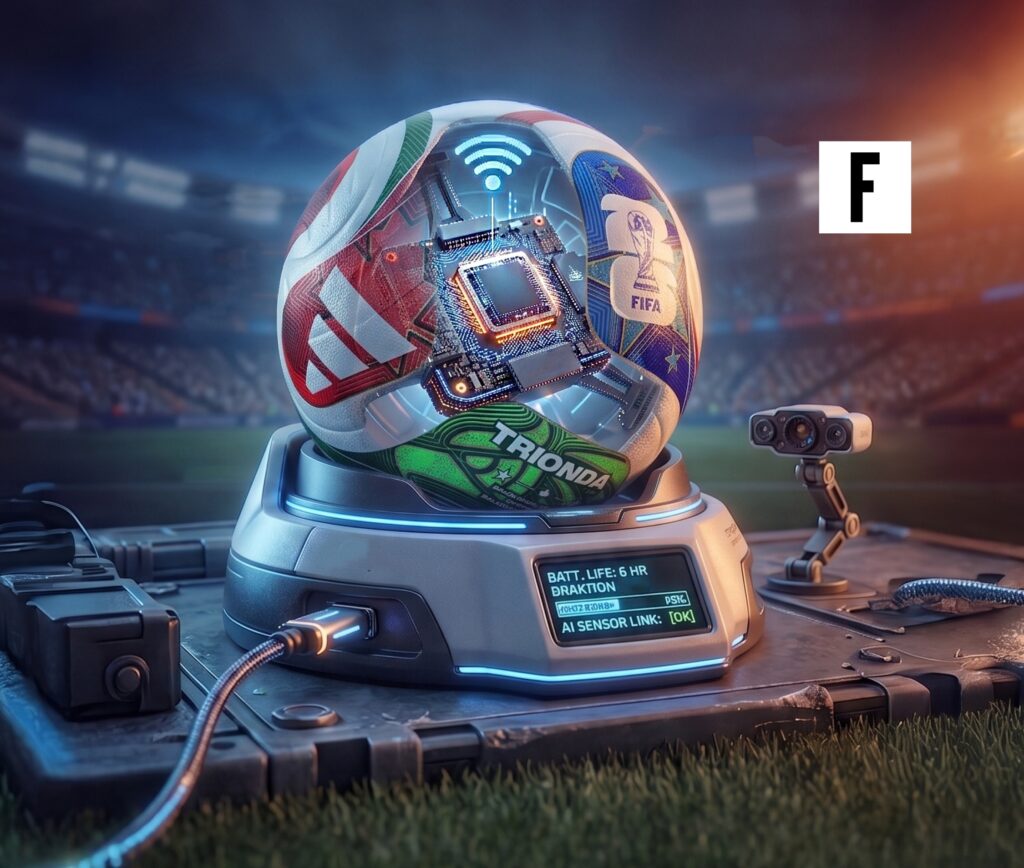
The ball’s internal sensors are charged wirelessly using induction charging docks before official matches.
- Battery life designed for full matches
On a full charge, the smart tracking system can reportedly run for around six hours. This gives enough power for:
- Pre-match warm-ups
- The full 90-minute game
- Half-time
- Extra time if required
Without battery power, the smart tracking features inside the FIFA World Cup 2026 ball would stop working.
Read about: Top 10 Interesting Facts About the 2026 FIFA World Cup!
What makes the Adidas Trionda football special?
The Adidas Trionda ball includes a tiny built-in sensor placed at the centre of the football. The sensor reportedly weighs around 14 grams and can track movement hundreds of times every second. It records data such as:
- Speed and power: The sensor can measure how fast the ball is travelling during passes, shots, and free-kicks.
- Spin and direction: It can detect spin, curve, and sudden changes in movement during play.
- Exact contact moments: The technology helps referees and VAR systems know the exact moment a player touches the ball.
- Offside and handball support: The smart sensor can assist officials in making faster and more accurate decisions during tight offside calls or possible handball incidents.
This technology is part of FIFA’s push toward semi-automated officiating systems at major tournaments.
How does the technology help football matches?
Smart football technology is becoming increasingly important in international tournaments. FIFA has already tested connected match balls in previous competitions to improve refereeing accuracy. The FIFA World Cup 2026 ball can help:
- Reduce human error
- Improve offside checks
- Speed up VAR reviews
- Track ball movement instantly
- Support goal-line decisions
Referees still make the final decisions during matches, but the live data provides extra support during difficult calls.
Could smart footballs become normal in the future?
Many experts believe connected footballs could become common across major leagues and international competitions in the future. Similar sensor technology is already being used in sports such as cricket, tennis, and rugby. As football becomes more technology-driven, future match balls may include even more advanced tracking systems and live performance analytics.
Read about: Full FIFA World Cup 2026 Captains And Teams By Groups
FAQs on FIFA World Cup 2026
1. What is the official FIFA World Cup 2026 ball?
The official FIFA World Cup 2026 ball is expected to be the Adidas Trionda, a smart football designed with built-in tracking technology.
2. Does the FIFA World Cup 2026 ball contain technology?
Yes. The ball includes internal motion sensors that can track movement, speed, spin, and player touches during matches.
3. Why are footballs becoming smarter?
Modern football tournaments use advanced technology to improve refereeing decisions, player analysis, and match accuracy.
4. How does VAR use football tracking technology?
VAR systems combine stadium camera footage with live ball-tracking data to review important moments such as offsides and goal-line calls.
5. Can a football really need charging?
Yes. Smart footballs with electronic sensors require battery power for their tracking systems to work during matches.
6. Who makes the FIFA World Cup footballs?
Official FIFA World Cup match balls are traditionally designed and produced by Adidas.
7. Will smart football technology be used in other leagues?
Many football experts believe connected football technology could become common in top domestic leagues and international tournaments in the future.
8. Has FIFA used connected footballs before?
Yes. FIFA has already tested connected ball technology in recent tournaments to support semi-automated officiating systems.
Did you know: 2026 FIFA World Cup Goes Super Bowl Style?
Subscribe to The Junior Age Newspaper – click here. Know more fun facts on The Junior Age’s YouTube!