
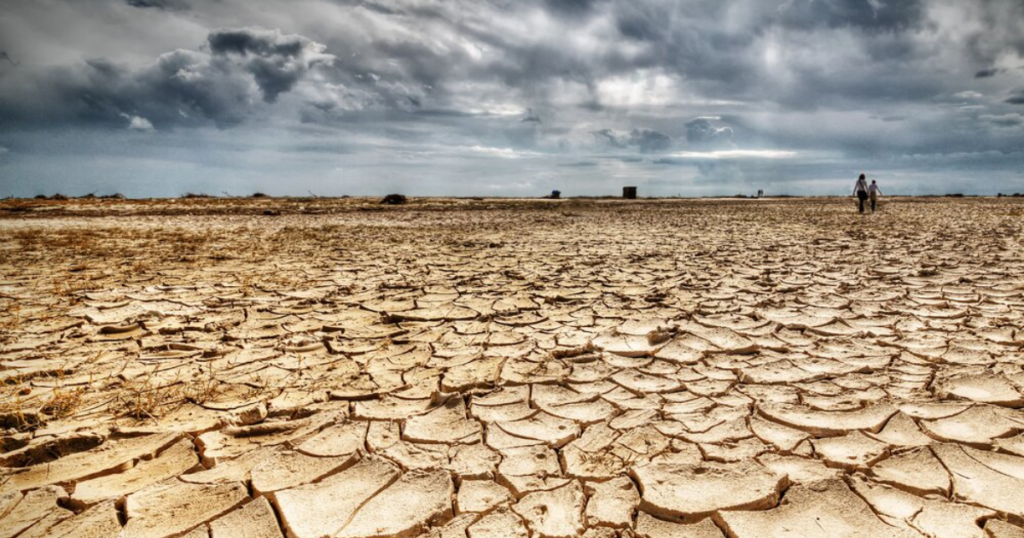
India recorded its lowest monsoon rainfall in more than a decade during the June to September 2026 season. According to the India Meteorological Department (IMD), the country received around 12.6% less rainfall than its long-term average, with the shortfall linked partly to the developing El Niño weather pattern.
India Records Its Driest Monsoon in More Than a Decade
How much rain did India receive?
India received approximately 759.4 millimetres of rainfall during the four-month southwest monsoon season, compared with the long-period average of 868.6 millimetres. The season ended with rainfall at around 87% of the expected average.
The last time India received less than 90% of its long-period average monsoon rainfall was in 2015. The 2026 season recorded the fourth-lowest monsoon rainfall since 2001 and the 13th-lowest since records began in 1901.
What caused the rainfall shortage?
One factor was El Niño, a natural climate pattern in which parts of the central and eastern Pacific Ocean become warmer than usual. It can change weather patterns around the world and is often associated with weaker monsoon rainfall in India.
The monsoon began with a significant rainfall shortage in June. Although rainfall improved in July, the recovery was not enough to make up for the shortfall, and rainfall remained below normal during parts of August and September.
How can a weak monsoon affect India?
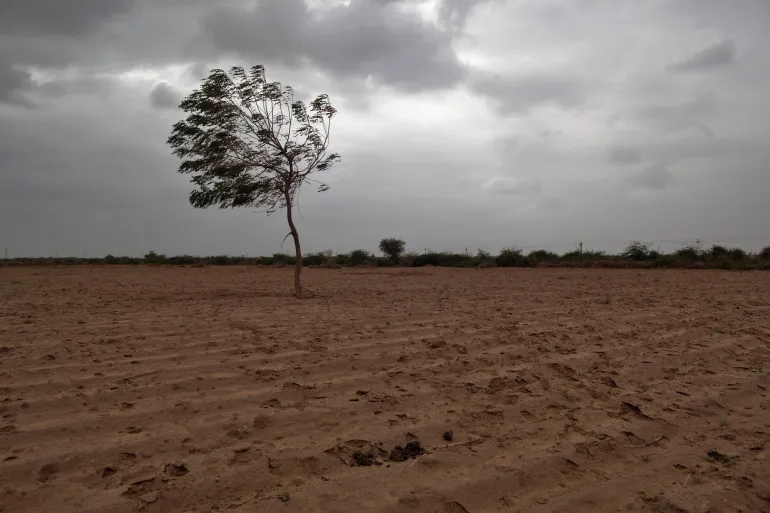
The monsoon is important for Indian agriculture because many farmers depend on seasonal rainfall to grow crops. Below-normal rain can affect soil moisture, crop growth and the availability of water for irrigation.
A rainfall shortage can also put pressure on reservoirs, groundwater supplies and drinking water resources in areas that receive less rain. However, the impact varies between regions because rainfall is not evenly distributed across the country.
What is the long-period average?
The long-period average, or LPA, is the average rainfall recorded over a standard period of many years. The IMD uses it as a reference to determine whether rainfall in a particular season is normal, above normal or below normal.
What happens after the southwest monsoon?
The southwest monsoon usually brings most of India’s annual rainfall between June and September. After it withdraws, the northeast monsoon brings rain to parts of southern India, particularly Tamil Nadu and nearby regions.
The end of the southwest monsoon does not mean that rainfall stops across the country. Weather conditions and rainfall patterns continue to vary by region and season.
FAQs
1. How much rainfall did India receive during the 2026 monsoon?
India received approximately 759.4 millimetres of rainfall between June and September 2026, around 12.6% below the long-period average.
2. Why was India’s 2026 monsoon rainfall below normal?
The rainfall shortage was linked partly to El Niño, a natural climate pattern that can influence India’s monsoon.
3. What is a rainfall deficit?
A rainfall deficit occurs when the amount of rain received is lower than the expected average for a particular period.
4. How can low monsoon rainfall affect farmers?
Less rain can reduce soil moisture, affect crop growth and increase the need for irrigation, depending on local conditions.
5. Does the end of the southwest monsoon mean India will receive no more rain?
No. Parts of southern India receive rainfall from the northeast monsoon, which generally begins around October.
Also Read:
- What Is El Niño and What Are Its Effects? Explained!
- India Sees Hottest August in 125 Years
- How Climate Change Affects India: What Every Child Should Know!
- What Is Climate Change? Explained for Kids
Subscribe to The Junior Age Newspaper – click here. Know more fun facts on The Junior Age’s YouTube!