
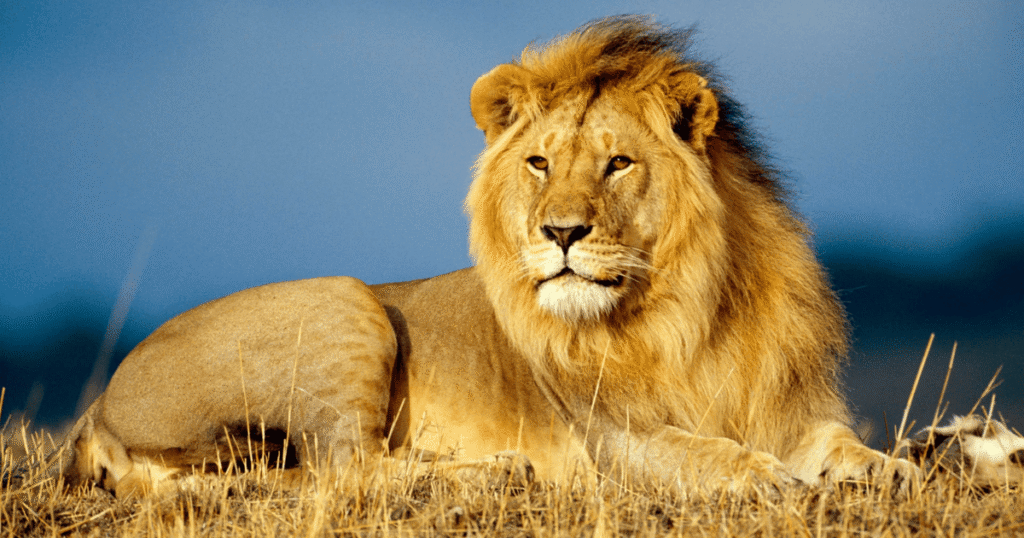
Lions are often called the King of the Jungle because they are among the world’s most powerful predators. But what if the animal that wildlife fears the most isn’t a lion at all? A fascinating scientific study has revealed a surprising answer, and it points directly at humans. Researchers found that many wild animals reacted with greater fear to the sound of human voices than to the roar of a lion. The discovery highlights the powerful impact people have on nature, even when they are not physically present.
Animals fear humans more than lions
Scientists carried out the study in Greater Kruger National Park in South Africa. They placed hidden speakers near waterholes and played recordings of people talking as well as lion roars. Motion-sensitive cameras recorded how different animals responded when they approached the water. The results were surprising. Animals were much more likely to run away after hearing human voices than after hearing lion roars.
The study included a wide variety of wildlife, including:
- Elephants
- Giraffes
- Zebras
- Hyenas
- Leopards
Many of these animals quickly left the area when they heard people speaking, even though no humans were actually nearby.
Why are animals so afraid of humans?
Scientists believe that wildlife sees humans as a “super predator.” Unlike other predators, humans have a much greater impact on animals through activities such as:
- Hunting wildlife
- Destroying natural habitats
- Using advanced tools and weapons
- Expanding cities and roads into forests and grasslands
Over many generations, animals have learned that encounters with humans can be more dangerous than encounters with other predators.
What did the study show?
Researchers found that animals often reacted earlier, fled faster, and stayed away for longer after hearing human voices compared with lion sounds. This suggests that many species recognise people as one of the greatest threats in their environment. The findings were published in the scientific journal Current Biology and were later supported by additional research published in Proceedings of the Royal Society B.
Scientists describe humans as a super predator because people can affect many different animal species across entire ecosystems, not just by hunting but also by changing the environment.
Did you know?
A lion’s roar can be heard from up to 8 kilometres away, yet in this study, many animals still reacted more strongly to ordinary human conversation.
Also read: Millions Of Insects Are Still Waiting To Be Discovered
Subscribe to The Junior Age Newspaper – click here. Know more fun facts on The Junior Age’s YouTube!