
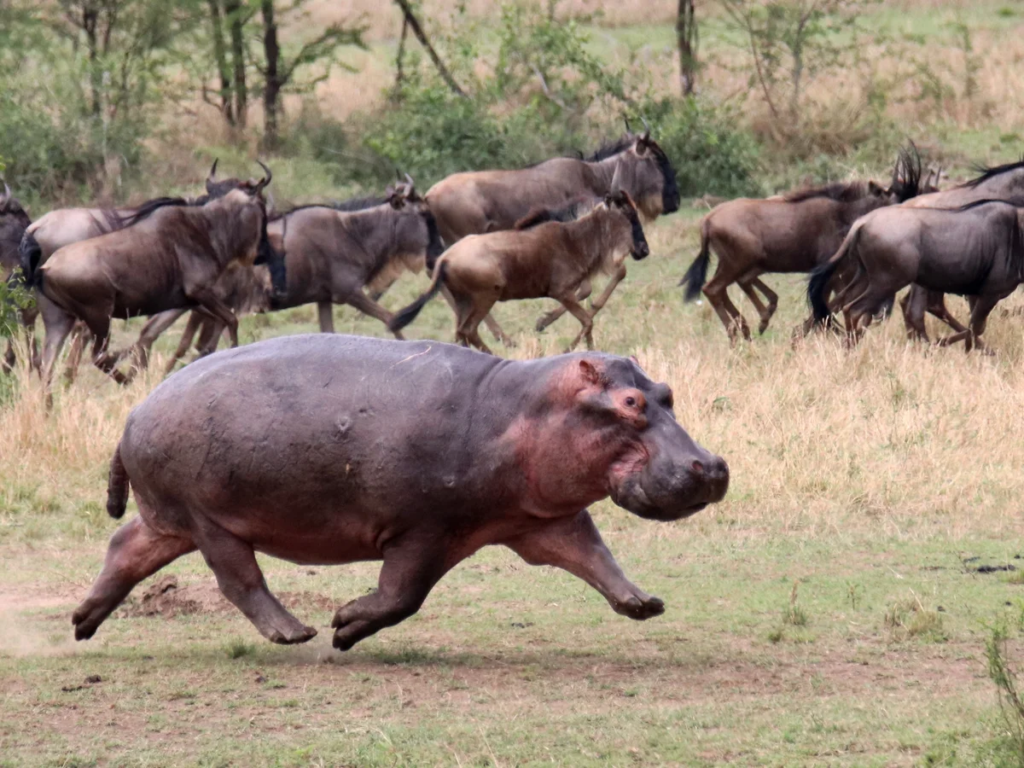
In the rivers and wetlands of Colombia, an unusual wildlife problem is growing. The country is now dealing with hundreds of wild hippos that originally came from the private zoo of drug lord Pablo Escobar. As the hippo population continues to rise, scientists and government officials say the animals are damaging ecosystems and creating safety risks for local communities. Because of this, the Colombian government has announced a plan to reduce the number of wild hippos. The decision has sparked a strong debate about wildlife protection, environmental balance, and how to deal with animals introduced by humans.
Why Colombia is trying to control its growing wild hippos population
In the 1980s, Pablo Escobar kept several exotic animals at his private estate zoo called Hacienda Nápoles. Among them were four hippos. After Escobar died in 1993, many animals were moved to zoos, but the hippos remained and eventually escaped into nearby rivers and wetlands. With few natural predators and plenty of water and food, the animals multiplied quickly. Scientists estimate that more than 150 hippos now live in the wild in Colombia, mainly around the Magdalena River basin, and the population could grow to hundreds more in the coming decades if no action is taken.
Researchers say the hippos affect the environment by damaging riverbanks, polluting water with waste, competing with native wildlife, and threatening nearby farms and villages. Because of these concerns, the Colombian government has proposed culling some of the hippos as a last resort, after other solutions such as relocation and sterilisation programmes proved difficult and costly. The plan has divided opinion. Some scientists argue it is necessary to protect Colombia’s natural ecosystems, while animal welfare groups believe the hippos should be protected and moved instead.
Who was Pablo Escobar?
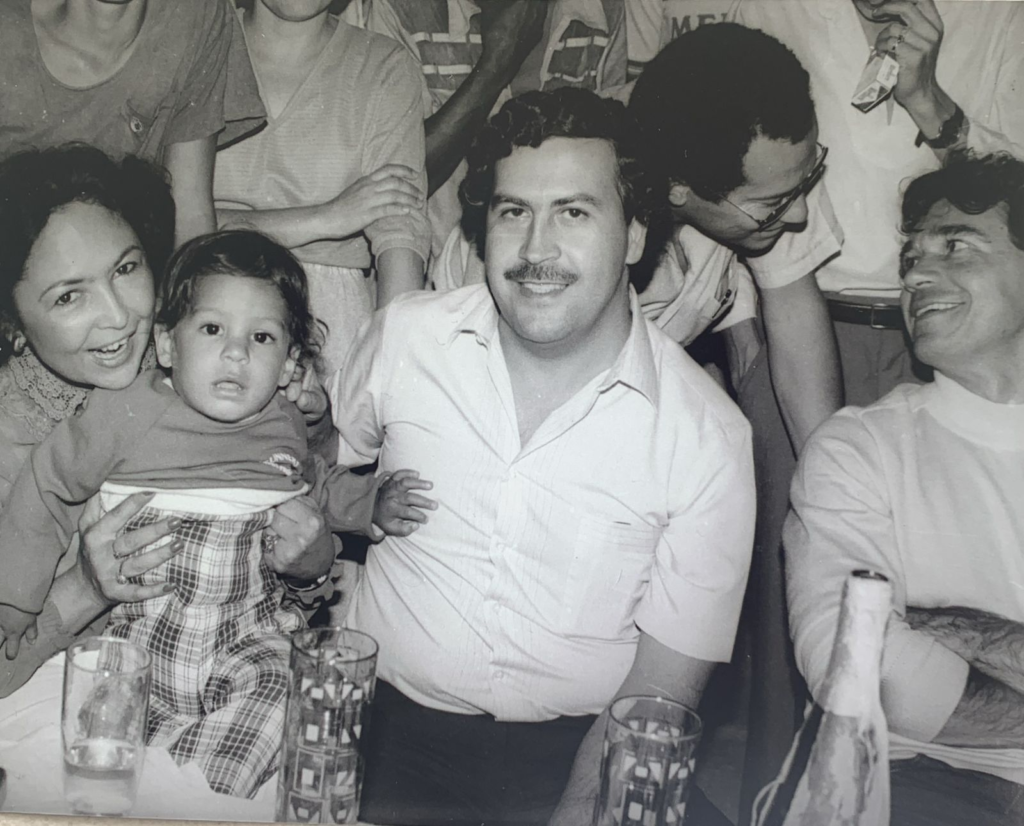
Pablo Escobar was a powerful criminal in Colombia during the 1980s and early 1990s. He led the Medellín Cartel, one of the world’s largest illegal drug trafficking groups, and became extremely wealthy through the global cocaine trade. Escobar used his wealth to build large properties and even created a private zoo with exotic animals, including hippos, elephants, giraffes and zebras.
What other solutions have be used instead of culling wild hippos?
Experts and conservation groups have tried several possible alternatives:
- Sterilisation programmes to stop the animals from breeding
- Relocating some hippos to wildlife parks or reserves in other countries
- Building controlled habitats to keep the population in one area
- Long-term monitoring to manage the population without harming animals
However, many of these options did not work, while some are expensive, slow, and difficult to carry out on a large scale.
Important reminder!
Drugs are very harmful and dangerous. They can damage your brain, body, and health, and can lead to serious problems for you and your family. Never take any medicine or substance unless it is given by a doctor or a trusted adult. The safest and smartest choice is to stay away from drugs and make healthy choices for your future.
Subscribe to The Junior Age Newspaper – click here. Know more fun facts on The Junior Age’s YouTube!