
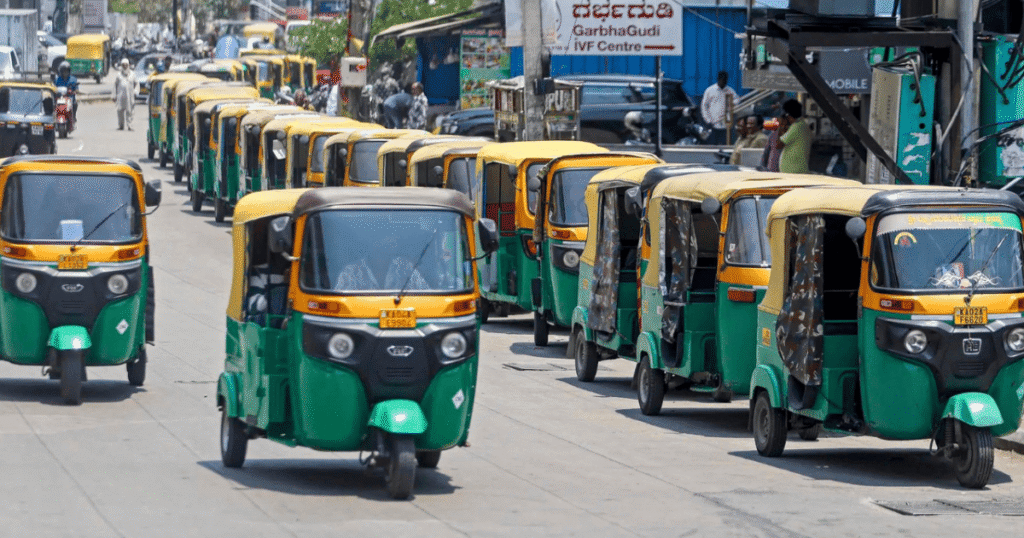
Delhi is taking a big step towards cleaner air by planning to replace many petrol-powered vehicles with electric ones. The new policy aims to reduce pollution, encourage the use of electric vehicles (EVs), and make the city healthier for everyone. While the plan could bring cleaner skies, it also raises important questions about costs and charging facilities.
Delhi plans to switch to electric vehicles
The Delhi Government has announced a major proposal to gradually phase out petrol-powered scooters, motorbikes and auto-rickshaws across the city. Petrol-powered trucks and buses will also be removed over the next two years, while new commercial vehicle registrations will be issued only for electric vehicles.
The move is part of Delhi’s efforts to tackle its severe air pollution, which often reaches unhealthy levels, especially during winter.
Why is Delhi making this change?
Vehicle emissions are one of the biggest causes of air pollution in Delhi. Experts say that two-wheelers and three-wheelers contribute a large share of harmful exhaust gases released into the air every day. By replacing petrol vehicles with electric ones, the government hopes to:
- Reduce harmful air pollution
- Improve public health
- Lower greenhouse gas emissions
- Make transport cleaner and quieter
The government also plans to install more than 30,000 public EV charging stations across the city, making it easier for people to charge their vehicles. Its goal is for at least 30% of all vehicles in Delhi to be electric by 2030.
Also read about: Sustainable Development Goal 11: Building Better Cities For The Future
Challenges ahead
Although many people support cleaner transport, the plan also comes with challenges. Electric vehicles often cost more than petrol vehicles, even though they can be cheaper to run over time. Some drivers are also concerned about whether there will be enough charging stations and whether charging an EV will be convenient, especially for people who depend on their vehicles for work every day. The success of the policy will depend on how quickly charging infrastructure grows and whether affordable electric vehicles become available for more people.
Also read about: Trees Gain Special Recognition in Canada
Subscribe to The Junior Age Newspaper – click here. Know more fun facts on The Junior Age’s YouTube!