
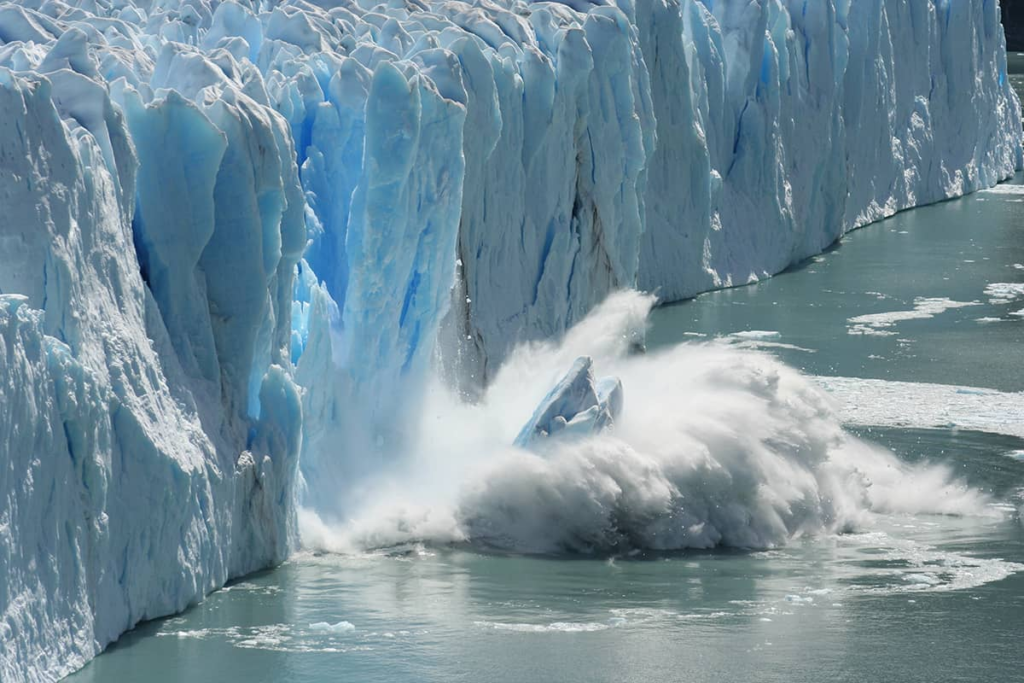
High up in the mountains, far away from cities and roads, glaciers quietly store the planet’s fresh water. They may look frozen and unchanging, but they are melting faster than ever before. The United Nations World Water Development Report 2025 has sent out a clear warning. Glaciers are in big trouble, and what happens to them affects billions of people across the world. From drinking water to farming and floods, melting ice is reshaping life on Earth.
Why glaciers matter so much?
According to the United Nations World Water Development Report 2025, about 60% of the world’s fresh water comes from mountain regions. These glaciers provide water for over two billion people. When glaciers shrink, rivers carry less water, farms suffer, and communities face shortages.
The findings are worrying.
- Glaciers have lost 9,000 billion tonnes of ice since 1975
That is like losing an ice block the size of Germany. - Two-thirds of the world’s irrigated agriculture is at risk
Melting glaciers and reduced snowfall mean less water for farms that depend on mountain rivers. - More floods, then less water later
Melting ice can cause dangerous glacial lake floods, followed by water shortages during hot and dry seasons. - A huge loss by 2100
Global mountain glaciers could lose 26–41% of their mass if temperatures rise between 1.5°C and 4°C.
The Hindu Kush Himalayan crisis
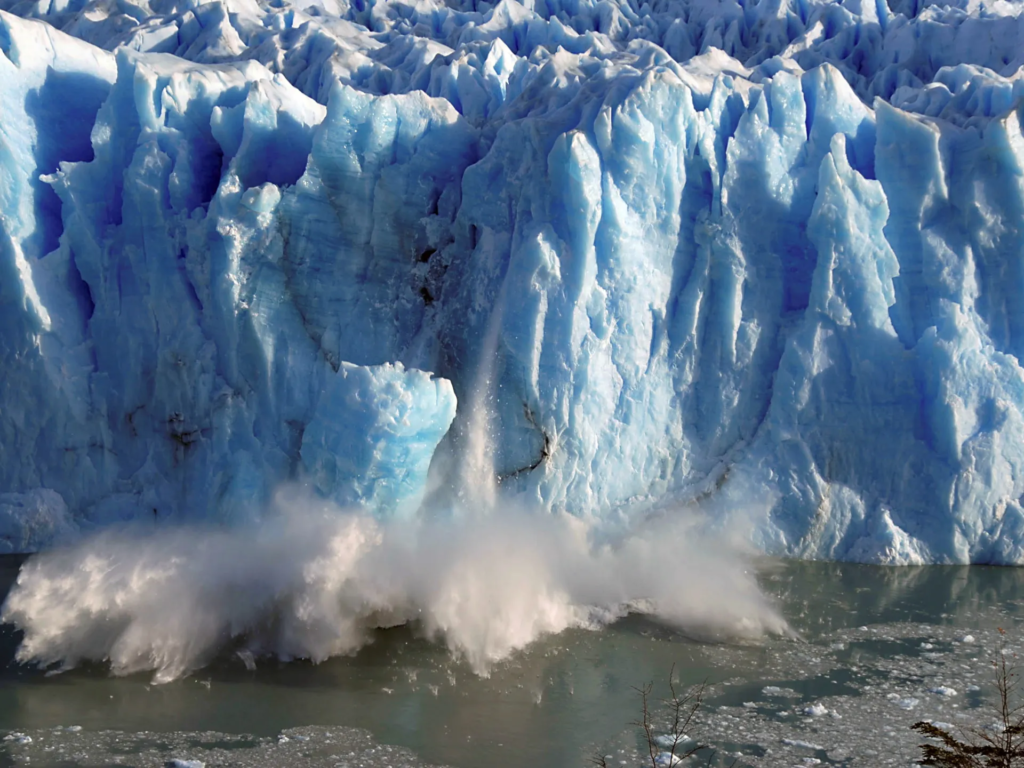
The Hindu Kush Himalayan region, which holds the largest ice reserves outside the Arctic and Antarctic, is facing an unprecedented emergency. The report shows that glaciers here melted 65% faster between 2011 and 2020 compared to the previous decade. This region feeds rivers that support millions of people across Asia.
What can be done?
People are already trying to adapt. Farmers are changing crops, governments are improving water storage, and scientists are getting better at predicting floods. However, the report makes one thing clear. Much more action is needed.
The UN has also declared 2025 as the International Year of Glaciers’ Preservation to raise awareness and push the world to work together. Limiting global warming to 1.5°C is crucial to slowing glacier loss.
Glaciers may seem distant, but their melt affects food, water, safety, and future generations. Protecting them means protecting life downstream.
Did you know? The Hindu Kush Himalayan region spans eight countries Afghanistan, Pakistan, India, Nepal, Bhutan, China, Bangladesh, and Myanmar.
Subscribe to The Junior Age Newspaper – click here. Know more fun facts on The Junior Age’s YouTube!