
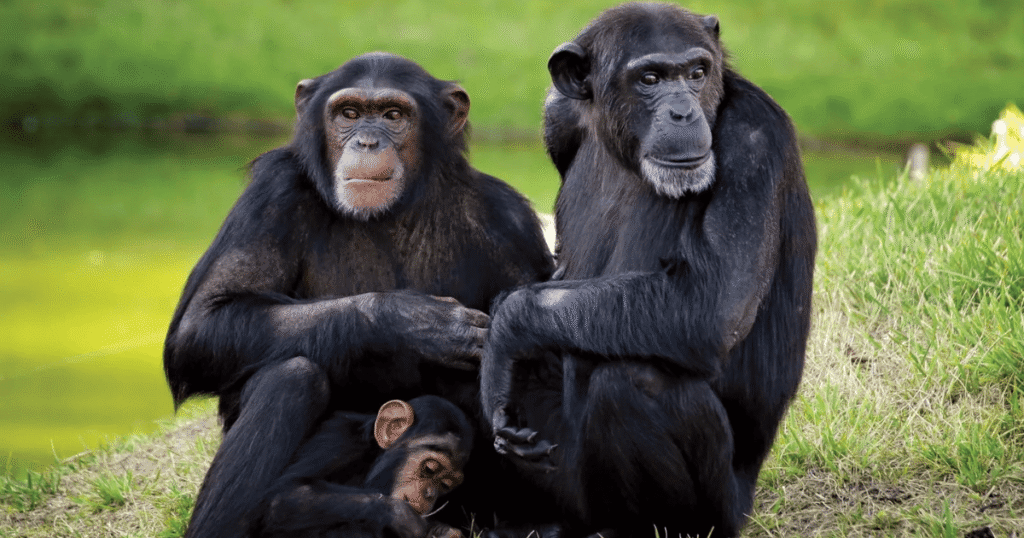
Chimpanzees are much more like us than you might think. In fact, they are our closest living relatives, sharing about 98.8% of our DNA with humans. The Junior Age has introduced a new segment to help young readers learn about the fascinating creatures around us, and chimpanzees are a perfect place to begin. These intelligent great apes live in the tropical forests and woodlands of Central and West Africa, where they spend their days climbing trees, finding food, playing, and caring for their families.
Chimpanzees: Meet Our Closest Wild Cousins
Chimpanzees are among the smartest animals on Earth. They can make and use tools, solve tricky problems, hunt together, and even plan. They communicate using facial expressions, hand gestures, body language, sounds, and hugs. Just like people, they build strong friendships and look after the members of their close social group.
Scientists recognise two living species of chimpanzees:
- Common chimpanzee, found across several countries in Central and West Africa.
- Bonobo, a close relative found only in the Democratic Republic of the Congo, known for its peaceful social behaviour.
What do chimpanzees eat?
They also eat insects, eggs and, on occasion, hunt small mammals. They also eat fruits, leaves, flowers, seeds, and nuts, but they also eat insects, eggs, and occasionally hunt small mammals.
How long do chimpanzees live?
- In the wild: Around 33 to 40 years
- In zoos: They can live up to 60 years with proper care.
Amazing chimpanzee facts
Chimpanzees are full of surprises. Here are some incredible facts:
- Every chimpanzee has a unique face, making it easy for other chimps to recognise one another.
- They can recognise themselves in a mirror, which is considered a sign of advanced intelligence.
- They use more than 30 different calls, along with gestures, facial expressions and body language to communicate.
- Chimpanzees laugh during play and comfort upset friends by hugging or grooming them.
- Mothers care for their babies for up to five years, and young chimps often stay close to them even longer.
- Every evening, chimpanzees build a fresh leafy nest high in the trees to sleep safely.
- Wild chimpanzees can run at speeds of around 40 km/h over short distances.
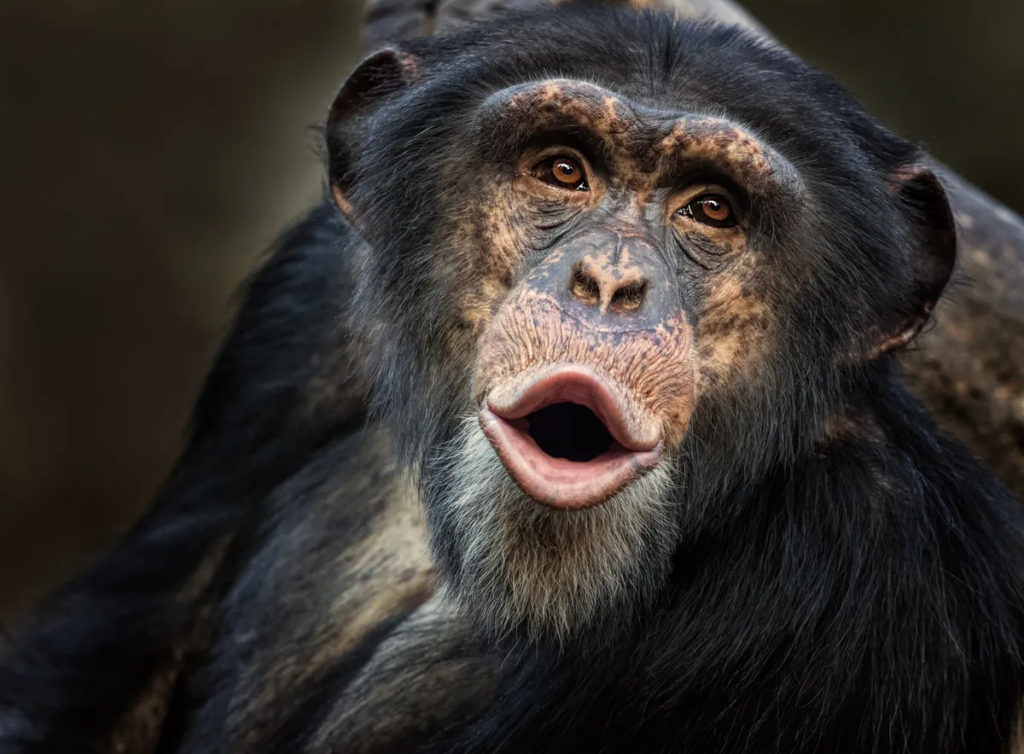
Are chimpanzees endangered?
Yes. Chimpanzees are listed as Endangered on the IUCN Red List. Their biggest threats include habitat loss, illegal hunting, diseases, and the illegal wildlife trade. Protecting forests and stopping wildlife crime are essential to help these remarkable animals survive.
Where can you see chimpanzees in India?
If you would like to see chimpanzees while learning about wildlife conservation, you can visit:
- Sri Chamarajendra Zoological Gardens (Mysore Zoo), Karnataka
- Nandankanan Zoological Park, Odisha
- Sardar Patel Zoological Park (Kevadia), Gujarat
- Indira Gandhi Zoological Park (Visakhapatnam Zoo), Andhra Pradesh
- Alipore Zoological Gardens, Kolkata
Did you know? World Chimpanzee Day is celebrated every year on July 14. The date marks the day that renowned primatologist Dr Jane Goodall arrived at Gombe Stream National Park in Tanzania in 1960 to begin her groundbreaking study of wild chimpanzees. Her research transformed our understanding of these amazing animals and inspired wildlife conservation around the world.
Also check out: Wild Animals Flash Cards
Subscribe to The Junior Age Newspaper – click here. Know more fun facts on The Junior Age’s YouTube!