
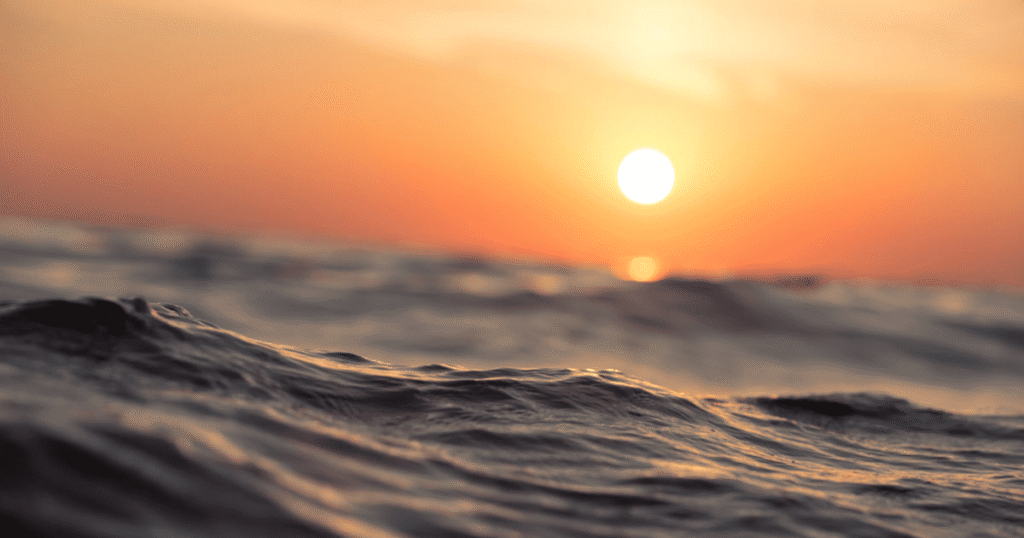
The world’s oceans have just experienced their hottest June ever recorded, raising fresh concerns among scientists about the health of our planet. Oceans play a vital role in keeping Earth’s climate balanced by absorbing heat and carbon dioxide. But when they become too warm, the effects can spread far beyond the sea, influencing weather, wildlife and people around the world. Scientists say the coming months will be especially important because ocean temperatures usually reach their highest levels during July and August.
Why are the oceans getting hotter?
According to the European Union’s Copernicus Climate Change Service, the average global sea surface temperature reached a record 20.98°C in June, making it the hottest June ever measured.
The main reasons behind this record are human-caused climate change and the development of an El Niño weather pattern. Greenhouse gases released into the atmosphere trap extra heat, and the oceans absorb more than 90% of that excess heat. While this slows the warming of the air, it also causes ocean temperatures to rise steadily.
Why do warm oceans matter?
Hotter oceans do much more than make seawater warmer. They can change weather patterns across the globe and increase the chances of:
- Stronger tropical storms and cyclones
- Marine heatwaves that harm sea life
- Heavy rainfall and floods in some places
- Droughts in other regions
- Coral bleaching that damages coral reefs
Coral reefs are home to thousands of marine species, so protecting them is important for ocean biodiversity.
Scientists say healthy oceans are essential because they help regulate Earth’s climate, produce much of the oxygen we breathe, and support millions of marine plants and animals. With ocean temperatures normally peaking in July and August, researchers are closely monitoring the coming weeks to see whether new records are broken. They hope that understanding these changes will help countries prepare for extreme weather and continue efforts to reduce greenhouse gas emissions.
What is El Niño?
El Niño is a natural climate pattern that occurs when waters in the central and eastern Pacific Ocean become warmer than usual. It can influence weather around the world, bringing heavier rainfall to some regions and droughts to others. When El Niño combines with long-term climate change, global temperatures often become even higher.
Also read more about: What Is El Nino And What Are Its Effects? Explained!
Subscribe to The Junior Age Newspaper – click here. Know more fun facts on The Junior Age’s YouTube!