
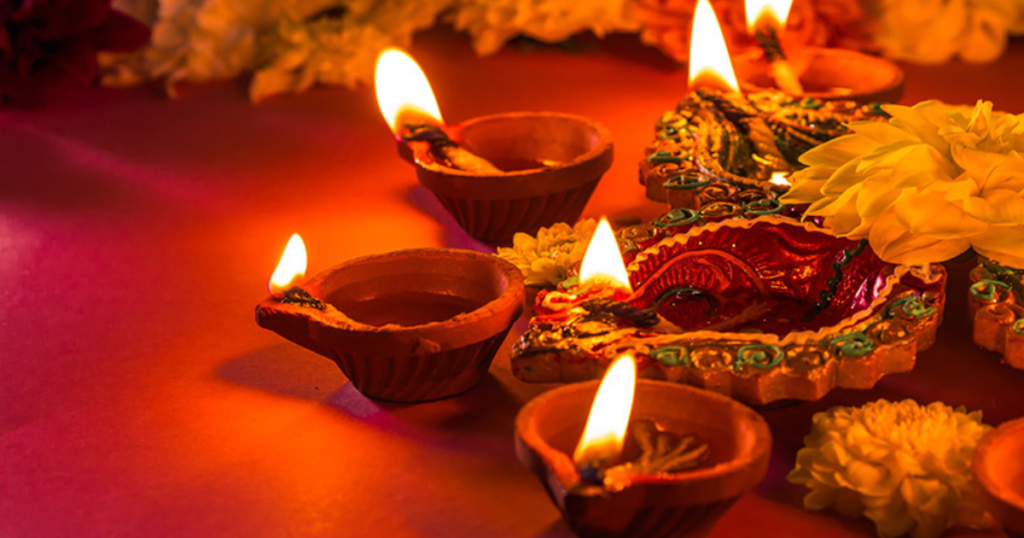
Diwali is one of the most colourful and joyful festivals celebrated in India. Homes sparkle with tiny lamps, colourful rangolis brighten doorways, sweet treats fill the kitchen and families come together to celebrate. Known as the Festival of Lights, Diwali carries a beautiful message: good can overcome evil, light can overcome darkness, and knowledge can overcome ignorance. But do you know why Diwali is celebrated? What is the story behind the glowing diyas? And why does the festival last for five days? Let us explore the meaning, legends, traditions and celebrations of Diwali 2026!
When is Diwali in 2026?
Diwali will be celebrated on Sunday, November 8, 2026.
The festival falls on Amavasya, the new moon day, in the Hindu lunar month of Kartika. Since the Hindu calendar follows the movements of the Moon, the date of Diwali changes every year. It usually falls in October or November. Diwali celebrations traditionally continue over five days, although the names, dates and customs may differ across regions and communities.
What does Diwali mean?
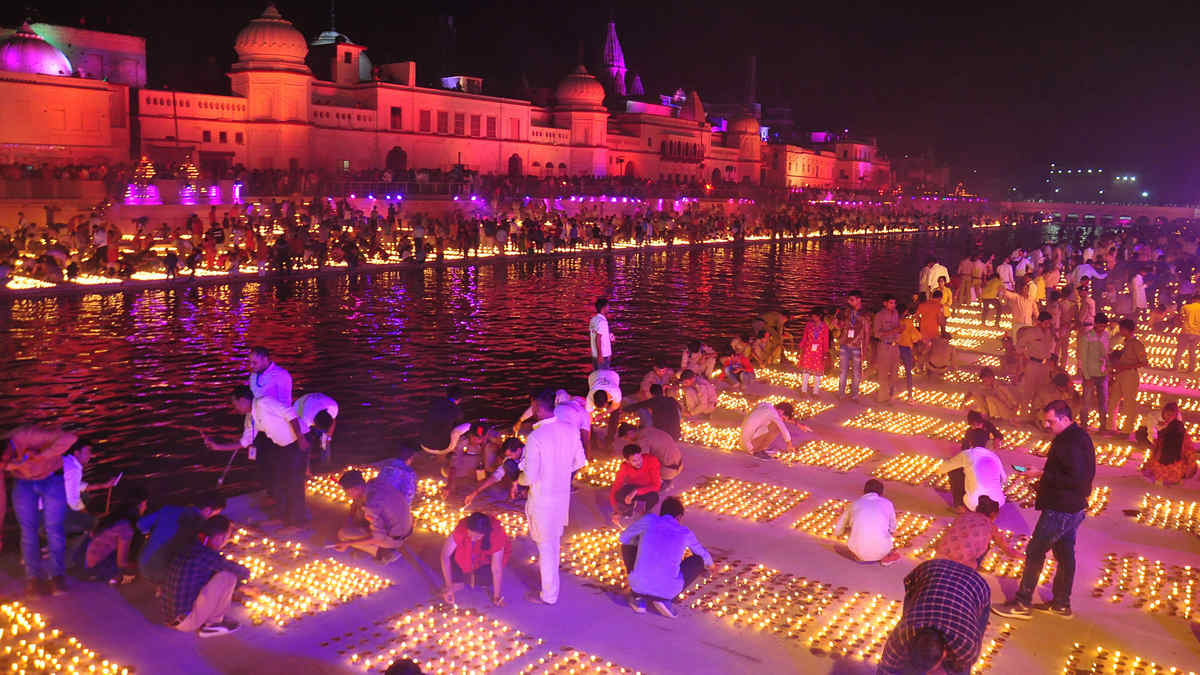
The word Diwali comes from the Sanskrit word Deepavali, which means a row or series of lights.
- Deepa means lamp or light.
- Avali means a row or line.
Together, Deepavali means a row of lights.
This explains why people light small clay lamps called diyas, decorate their homes with candles and colourful lights, and brighten their surroundings during the festival. The lights also carry a deeper meaning. They represent hope, happiness, wisdom and the victory of good over evil.

Why do we celebrate Diwali?
Diwali has different stories and meanings across India. For many Hindus, the festival celebrates the victory of good over evil and the return of Lord Rama to Ayodhya. It is also associated with Goddess Lakshmi, while Sikhs and Jains observe the occasion for important events in their own religious traditions.
Here are three important stories and meanings behind the festival.
1. The return of Lord Rama to Ayodhya
One of the best-known stories of Diwali comes from the Ramayana. Lord Rama, his wife Sita and his brother Lakshmana spent 14 years in exile, away from their kingdom of Ayodhya. During this time, Ravana, the king of Lanka, abducted Sita.
With the help of Hanuman and his army, Lord Rama defeated Ravana and rescued Sita. After completing their exile, Lord Rama, Sita and Lakshmana returned to Ayodhya. The people of Ayodhya were overjoyed. They welcomed the three by lighting rows of oil lamps throughout the kingdom. This is why many people celebrate Diwali as a reminder that goodness, courage and truth can triumph over evil.
2. Goddess Lakshmi and the festival of prosperity
Diwali is also associated with Goddess Lakshmi, who is worshipped as the goddess of wealth, prosperity and good fortune in Hindu traditions.
Many families perform Lakshmi Puja on Diwali evening. They decorate their homes, light diyas and offer prayers for happiness, peace and prosperity.
Lord Ganesha is also worshipped alongside Goddess Lakshmi. He is associated with wisdom and the removal of obstacles.
3. Why Diwali is important to Sikhs and Jains
Diwali is meaningful to several religious communities, although the stories behind the celebrations are different.
For Sikhs: Diwali coincides with Bandi Chhor Divas, meaning Day of Liberation. It commemorates the release of Guru Hargobind Sahib, the sixth Sikh Guru, from imprisonment at Gwalior Fort. He also helped 52 other kings leave captivity.
For Jains: Diwali marks the day Lord Mahavira, the 24th and last Tirthankara of Jainism, attained Nirvana, or liberation from the cycle of birth and death. For Jains, it is a day of spiritual reflection and remembrance.
These traditions show how one festival season can hold different meanings for different communities.
The 5 days of Diwali: What happens each day?
Diwali is traditionally celebrated over five days. Each day has its own name, customs and significance.
Day 1: Dhanteras
Dhanteras marks the beginning of the Diwali celebrations. The word Dhan means wealth, while Teras refers to the thirteenth day of the lunar fortnight. Many families clean and decorate their homes and buy something new, such as utensils, gold or silver, as a symbol of good fortune and prosperity. Dhanteras is also associated with Dhanvantari, who is traditionally regarded as the divine physician in Hindu traditions.
Day 2: Naraka Chaturdashi or Chhoti Diwali
The second day is known as Naraka Chaturdashi or Chhoti Diwali. According to Hindu mythology, Lord Krishna defeated the demon king Narakasura on this day and freed people from his cruelty.
The celebration represents the victory of good over evil. In many parts of India, families light diyas, prepare festive food and decorate their homes. Some regions have different customs and names for this day.
Day 3: Lakshmi Puja or Diwali
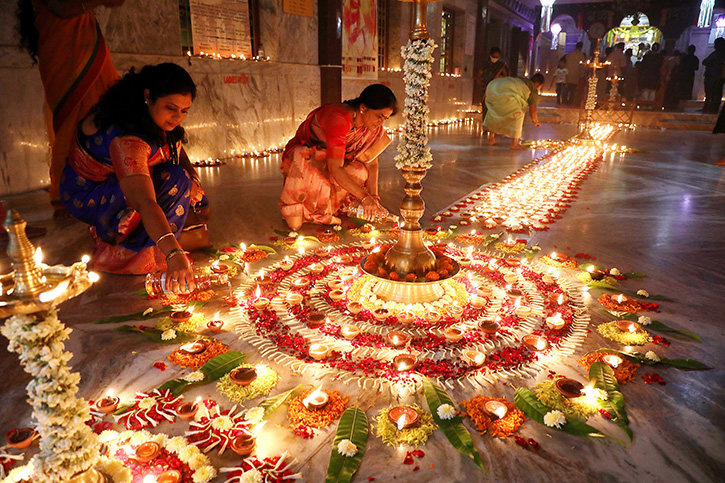
This is the main day of Diwali celebrations for many families. People decorate their homes with diyas, candles, flowers and colourful lights. Families perform Lakshmi Puja and offer prayers to Goddess Lakshmi and Lord Ganesha.
Children and adults wear new clothes, exchange gifts, visit relatives and enjoy delicious sweets. As the evening arrives, homes and streets glow with beautiful lights, creating the magical atmosphere that makes Diwali so special.
Day 4: Govardhan Puja
The fourth day is associated with Govardhan Puja, which celebrates a story from the life of Lord Krishna. According to Hindu mythology, the people of Vrindavan once faced heavy rainfall. Lord Krishna lifted the Govardhan Hill on his little finger to protect the villagers and their animals from the rain.
The story reminds people of the importance of nature, gratitude and caring for the world around us. In many places, families prepare special food offerings and celebrate the day with prayers. The day is also known by different names in different regions, including Annakut and Bali Pratipada.
Day 5: Bhai Dooj
The final day of the traditional five-day celebration is Bhai Dooj.
It celebrates the special bond between brothers and sisters.
Sisters apply a tilak, a mark made on the forehead, to their brothers and pray for their happiness and well-being. Brothers often give gifts to their sisters as a gesture of love.
Families come together, share meals and enjoy the final moments of the festive celebrations.
How do families celebrate Diwali?
Diwali is a time for families to come together, enjoy traditions and create happy memories. Although celebrations vary from one region to another, some customs are widely followed.
1. Lighting diyas and decorating homes
Small clay lamps called diyas are among the most recognisable symbols of Diwali. People fill them with oil or ghee and place cotton wicks inside before lighting them. Homes are also decorated with fairy lights, lanterns and colourful decorations.
2. Making colourful rangolis
Rangoli is a traditional art form in which people create colourful patterns on the floor, usually near the entrance of their homes. They use coloured powders, flower petals, rice and other materials to make beautiful designs. Some rangolis feature flowers, geometric patterns, peacocks and traditional symbols.
3. Preparing sweets and festive food
No Diwali celebration feels complete without delicious food! Families prepare or share sweets such as laddoos, barfis, kaju katli and gulab jamun. Savoury snacks are also made and shared with friends and relatives.
4. Cleaning and decorating the house
Many families clean their homes before Diwali as a symbol of welcoming fresh beginnings and positivity. Doors, windows and entrances are decorated with flowers, torans and colourful lights.
5. Meeting family and exchanging gifts
Diwali is also a time for sharing happiness. Families visit relatives, exchange gifts, distribute sweets and spend time together. For many children, it is one of the most exciting times of the year!
How can we celebrate a green and safe Diwali?
Diwali is a festival of light and happiness, but celebrations should also be safe for people, animals and the environment.mFirecrackers can release smoke and harmful particles into the air. Loud noises can disturb babies, older people, people who are sensitive to sound and animals. Here are a few ways to enjoy a thoughtful and safer Diwali.
- Choose lights over loud crackers: Decorate your home with diyas, lanterns and LED lights instead of relying on noisy fireworks.
- Protect animals: Dogs, cats, birds and other animals can become frightened by loud sounds. Keep pets indoors in a quiet, comfortable space.
- Use diyas carefully: Place lamps on stable surfaces, away from curtains, paper and other things that can catch fire. Never leave a burning diya unattended.
- Keep children safe: Children should never handle firecrackers on their own. Follow official safety instructions and ensure adult supervision.
- Avoid waste: Use reusable decorations and avoid unnecessary plastic. Clean up after celebrations and dispose of waste responsibly.
- Share happiness: Give sweets, donate useful items or spend time with someone who may feel lonely during the festival.
Remember, a wonderful Diwali does not need to be noisy. A celebration filled with kindness, light and togetherness can be just as special.
Fun facts about Diwali
Here are some interesting facts that make Diwali even more fascinating!
- Diwali follows the lunar calendar: Its date changes every year because it is linked to the Moon.
- It has more than one name: Diwali is also known as Deepavali, Deepawali and Divali in different languages and regions.
- The festival has different meanings: Hindus, Sikhs and Jains observe Diwali for different religious and historical reasons.
- It is celebrated around the world: Diwali is observed by communities across Asia, Africa, Europe, North America and other parts of the world.
- It is an official public holiday in several countries: Besides India, countries including Nepal, Sri Lanka, Myanmar, Mauritius, Malaysia, Singapore, Fiji, Guyana, Suriname and Trinidad and Tobago recognise Diwali as a public holiday. The exact holiday arrangements can vary.
- Diyas are traditionally made from clay: These little lamps are often filled with oil or ghee and lit using cotton wicks.
- Rangoli designs are not the same everywhere: Different parts of India have their own styles, patterns and names for traditional floor art.
Diwali activities for kids
Want to bring the festival alive with a little creativity? Here are three fun activities to try at home.
1. Create your own rangoli
Take coloured paper, flower petals or coloured rice and create a beautiful rangoli design.
Try making a pattern inspired by flowers, stars, diyas or peacocks. You can also draw your design on paper if you do not want to make one on the floor.
2. Make a paper diya
You do not need a real flame to create a beautiful Diwali decoration!
Cut out a diya shape from coloured paper or cardboard. Decorate it with glitter, sequins, paint or colourful patterns. Add a paper flame to complete your creation.
Ask an adult to help you display your artwork around the house.
3. Share your Diwali artwork with The Junior Age
Did you create a beautiful rangoli, a colourful diya or a Diwali greeting card? We would love to see your creativity!
Parents can share their child’s original Diwali artwork with The Junior Age for consideration in our Get Featured section. Include the child’s name, age and a short description of the artwork when submitting it. Email: info@thejuniorage.com
Frequently asked questions about Diwali
1. When is Diwali in 2026?
Diwali will be celebrated on Sunday, November 8, 2026. The festival follows the Hindu lunar calendar, so its date changes every year.
2. Why is Diwali called the Festival of Lights?
Diwali is called the Festival of Lights because people light diyas, candles and lamps to decorate their homes. These lights symbolise hope, knowledge and the victory of good over evil.
3. How many days is Diwali celebrated?
Diwali is traditionally celebrated over five days, beginning with Dhanteras and ending with Bhai Dooj. Customs and celebrations may vary across regions and communities.
4. What is the story behind Diwali?
One of the best-known stories is the return of Lord Rama, Sita and Lakshmana to Ayodhya after 14 years of exile and the defeat of Ravana. The people welcomed them by lighting rows of lamps. Other communities celebrate Diwali for different religious and historical reasons.
5. What are the main things associated with Diwali?
Diyas, rangolis, flowers, sweets, family gatherings, prayers, gifts and colourful decorations are among the most common things associated with Diwali.
Celebrate the festival with curiosity and kindness!
Diwali is much more than a festival of beautiful lights. It is a celebration of hope, courage, wisdom, family and new beginnings. As you light a diya this Diwali, remember its simple message: even a little light can make a big difference.
Also read: