
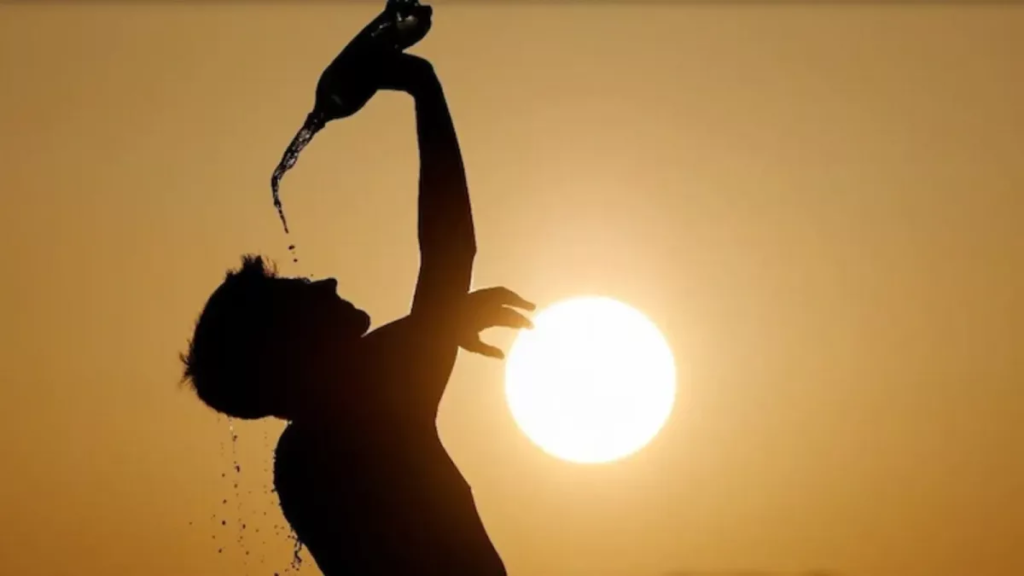
Have you noticed that summers seem hotter than they used to be? In many parts of the world, including India, temperatures are rising, and heatwaves are becoming more common. It’s not just your imagination. Scientists have found that Earth’s average temperature has been increasing, and this is making summers longer, hotter and more intense. Let’s explore why this is happening and what it means for people, animals and our planet.
Why Are Summers Getting Hotter? Here’s What Scientists Say
The biggest reason is climate change. When greenhouse gases build up in Earth’s atmosphere, they trap more heat from the Sun. This extra heat raises the planet’s average temperature over time. As the Earth warms, summer temperatures also rise. Some places that once experienced a few very hot days each year now face weeks of extreme heat.
Also read about: What Is Climate Change? Explained for Kids to understand how Earth’s climate is changing.
What is a heatwave?
A heatwave is a period of unusually hot weather that lasts for several days or longer. Heatwaves can make it difficult for people to work, play or even stay outdoors safely. They can also increase the risk of wildfires and put extra pressure on water supplies. Many cities in India now experience heatwaves more often than they did a few decades ago.
Read more in: How Climate Change Affects India
Why are cities hotter than villages?
Have you ever noticed that cities often feel warmer than nearby towns or villages?
This is called the Urban Heat Island Effect. Buildings, roads and concrete absorb heat during the day and release it slowly at night. With fewer trees to provide shade, cities stay warmer for longer. Planting more trees and creating green spaces can help cool urban areas naturally.
How do hotter summers affect people?
Extreme heat can affect our daily lives in many ways. Hotter summers may lead to:
- Heat exhaustion and heatstroke
- Water shortages
- Poor crop growth
- Higher electricity use for cooling
- Poor air quality in some places
Children, older adults and outdoor workers are especially vulnerable during very hot weather.
Also read: What causes climate change?
How do hotter summers affect animals?
Animals also struggle when temperatures rise. Some may find it harder to locate water and food, while others need to move to cooler habitats. Birds, insects and other wildlife can change their behaviour during long periods of heat. Even plants and forests can become stressed, increasing the risk of droughts and wildfires.
Discover practical ideas in: What Kids Can Do to Help the Planet
Also, read about: Heatwave Alert! What Are The Best Summer Foods For Kids?
Subscribe to The Junior Age Newspaper – click here. Know more fun facts on The Junior Age’s YouTube!