
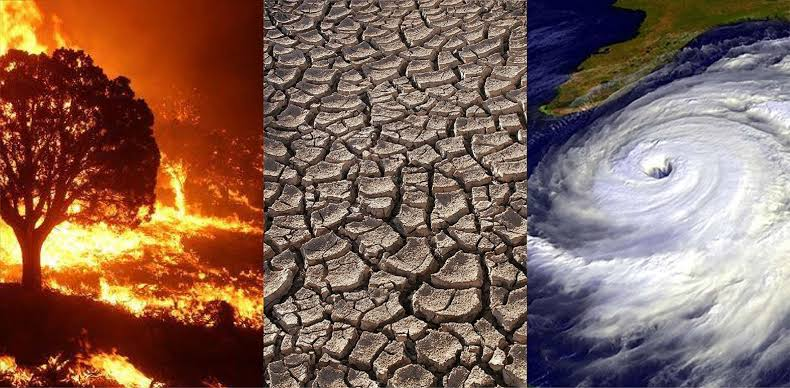
Climate change is one of the biggest challenges our planet faces today. But have you ever wondered what is actually causing it? The Earth’s climate has changed naturally over millions of years. However, scientists say that today’s climate change is happening much faster because of human activities. Let’s find out why.
What is climate change & what are the biggest causes of climate change?
Climate change means long-term changes in Earth’s temperatures and weather patterns. While some changes happen naturally, today’s rapid warming is mainly caused by people burning fossil fuels and cutting down forests. Some of the biggest causes of climate change are:
1. Burning fossil fuels
The biggest cause of climate change is burning fossil fuels like coal, oil and natural gas. We use these fuels every day to generate electricity, run cars, buses and aeroplanes, and power factories. When fossil fuels burn, they release a gas called carbon dioxide (CO₂) into the air. This gas traps heat around the Earth, making the planet warmer over time. The more fossil fuels we burn, the more heat gets trapped in our atmosphere.
2. Cutting down forests
Forests are often called the lungs of the Earth because trees absorb carbon dioxide from the air and release oxygen. They help keep our planet healthy. When large numbers of trees are cut down for farming, roads or buildings, there are fewer trees left to absorb carbon dioxide. If the trees are burned or rot, they also release the carbon they stored back into the atmosphere, adding even more greenhouse gases.
3. Farming and raising animals
Farming is important because it provides us with food, but some farming activities also contribute to climate change. Animals such as cows and sheep produce a greenhouse gas called methane during digestion. Rice fields and some farming methods also release methane. Although methane stays in the atmosphere for a shorter time than carbon dioxide, it traps much more heat.
4. Factories and industries
Factories make many of the things we use every day, including clothes, cars, cement, steel and electronics. Many factories need large amounts of energy, which often comes from burning fossil fuels. As a result, factories release greenhouse gases into the atmosphere, adding to global warming.
5. Waste and rubbish
Every day, people throw away tonnes of food and other waste. When food waste is buried in landfills, it slowly breaks down and releases methane gas. Reducing food waste, recycling more and reusing items can help lower these harmful emissions and protect our planet.
What are greenhouse gases?
Think of Earth wearing a blanket. Greenhouse gases act like that blanket by trapping some of the Sun’s heat. Without them, Earth would be too cold for life. The problem is that humans are making the blanket too thick, causing the planet to become warmer than it should be.
Also read more about: What Is El Nino And What Are Its Effects? Explained!
Main greenhouse gases:
| Gas | Comes from |
|---|---|
| Carbon dioxide (CO₂) | Cars, factories, power stations |
| Methane | Cows, rubbish dumps, farming |
| Nitrous oxide | Fertilisers |
| Water vapour | Natural part of Earth’s climate |
Did you know? Scientists have found that carbon dioxide levels in the atmosphere are now higher than they have been for hundreds of thousands of years.
In case you did not know – Oceans Hit Record Heat In June 2026!
Want to learn more? Also Read:
- What Is Climate Change? Explained for Kids
- How Climate Change Affects India
- Why Are Summers Getting Hotter?
- How Can Kids Help With Climate Change?
- Climate Change Myths vs Facts
Subscribe to The Junior Age Newspaper – click here. Know more fun facts on The Junior Age’s YouTube!