
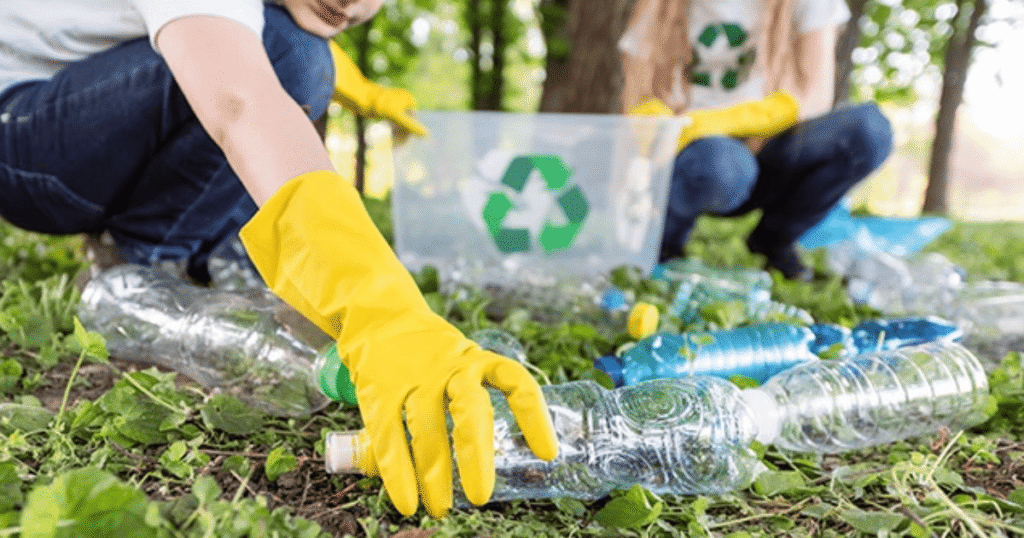
Climate change can seem like a huge problem, but helping the planet doesn’t always require big inventions or major changes. In fact, some of the most powerful habits start at home, at school or in your local community. Every time you save electricity, avoid wasting food or plant a tree, you’re making a positive choice for the Earth. Learn what kids can do to help the planet with 15 easy eco-friendly habits that protect nature, reduce waste and make a positive difference every day.
One child switching off a light may save only a little electricity. But imagine millions of children doing the same thing every day. Small actions add up and inspire others to do the same. Many environmental movements around the world have started with young people who cared about nature and encouraged others to take action.
What Kids Can Do to Help the Planet: Small Actions That Make a Big Difference
1. Turn off lights and fans when you leave a room
Saving electricity means less energy is needed, which can help reduce pollution.
2. Save water every day
Turn off the tap while brushing your teeth, take shorter showers and report leaking taps.
3. Carry a reusable water bottle
Using a refillable bottle helps reduce single-use plastic waste.
4. Say no to single-use plastics
Choose reusable bags, lunch boxes and containers whenever possible.
5. Plant a tree or care for plants
Trees absorb carbon dioxide, provide shade and create homes for wildlife.
6. Walk or cycle for short journeys
If it’s safe, walking or cycling instead of using a car helps reduce air pollution.
7. Recycle properly
Separate paper, plastic, glass and metal if recycling facilities are available in your area.
8. Don’t waste food
Take only what you can eat and store leftovers safely.
9. Use both sides of paper
This simple habit saves paper and helps reduce the demand for cutting down trees.
10. Protect wildlife
Never disturb nests, feed wild animals inappropriate food or damage natural habitats.
11. Keep your surroundings clean
Never litter. Dispose of rubbish responsibly and join local clean-up drives if you can.
12. Grow your own plants
Even a small balcony or windowsill garden can support butterflies, bees and other pollinators.
13. Learn about nature
The more you understand forests, oceans and wildlife, the more you’ll want to protect them.
14. Share what you’ve learned
Talk to your friends and family about climate change and simple ways to live more sustainably.
15. Be a thoughtful consumer
Before buying something new, ask yourself if you really need it. Using items for longer helps reduce waste.
Every action counts
You don’t have to do everything at once. Choose one or two habits to begin with, then gradually add more. Over time, these small choices become part of your daily routine and can inspire others to follow your example.
Related articles
- What Is Climate Change? Explained for Kids
- What Causes Climate Change
- How Climate Change Affects India
- Why Are Summers Getting Hotter?
- Climate Change Myths vs Facts
Subscribe to The Junior Age Newspaper – click here. Know more fun facts on The Junior Age’s YouTube!